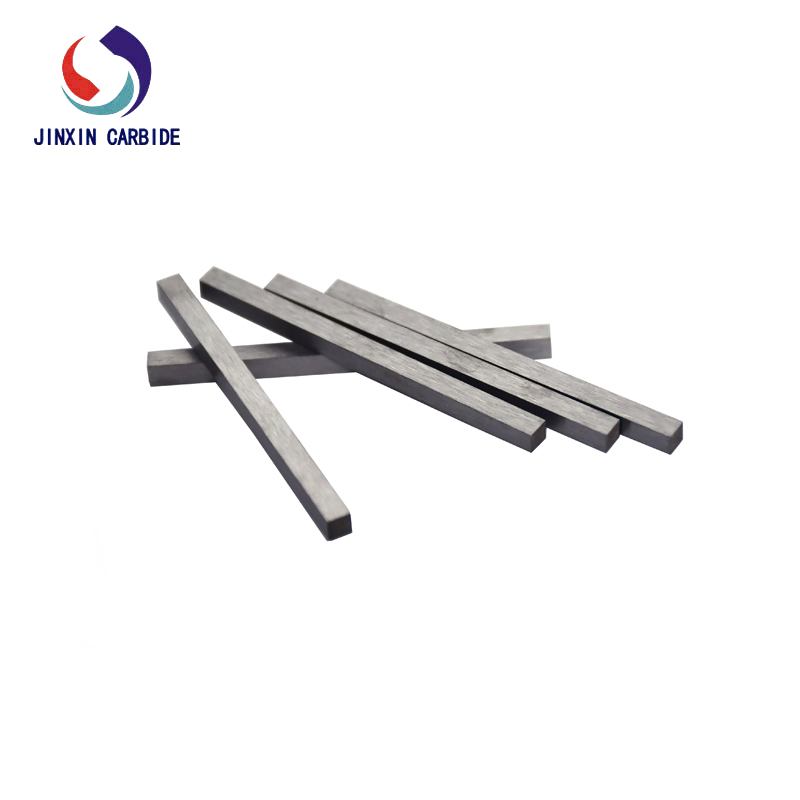
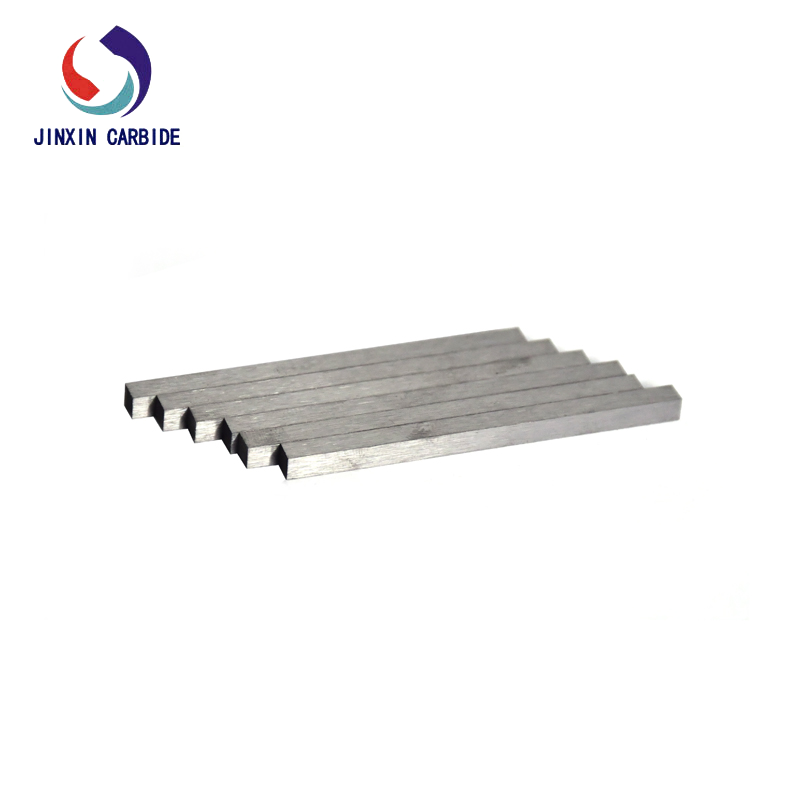
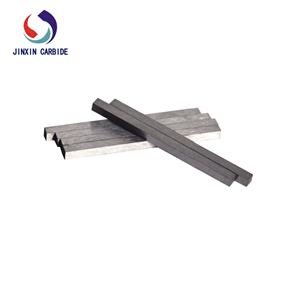
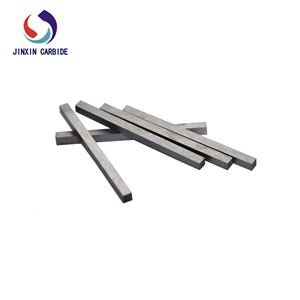
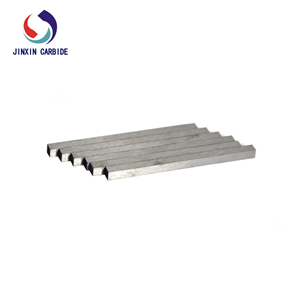
Cutting Carbide Strip Solutions for Precision Tooling and Metal Processing
Brand Name : JINXIN
Place of Origin : Zhuzhou
MOQ : 5kg
Packaging Details : General Packaging
Delivery Time : 20-25 days
Supply Ability : 30,000–50,000 pcs per month
Matierial : tungsten carbide
Grade : K10,K20,K30
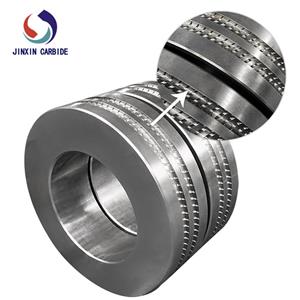
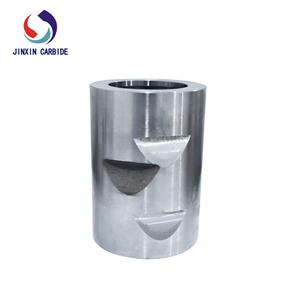
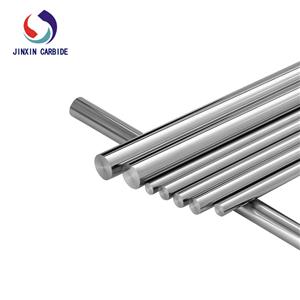
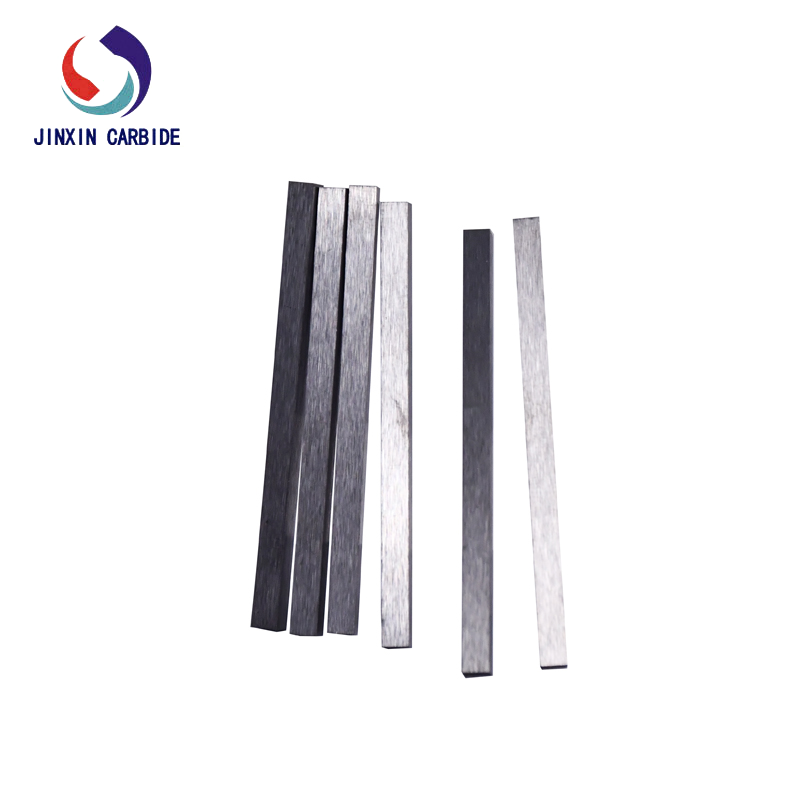
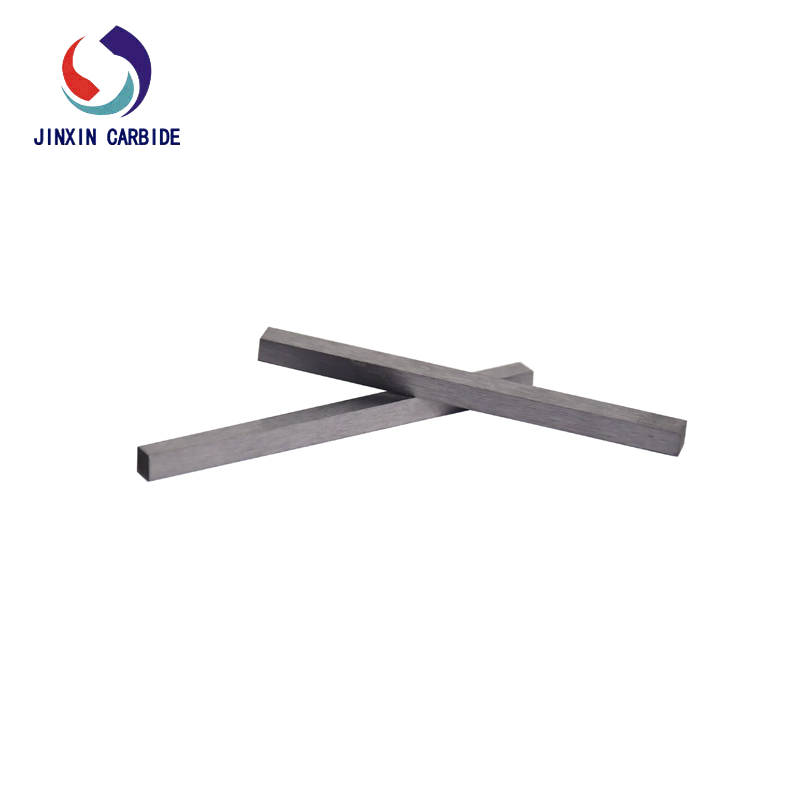
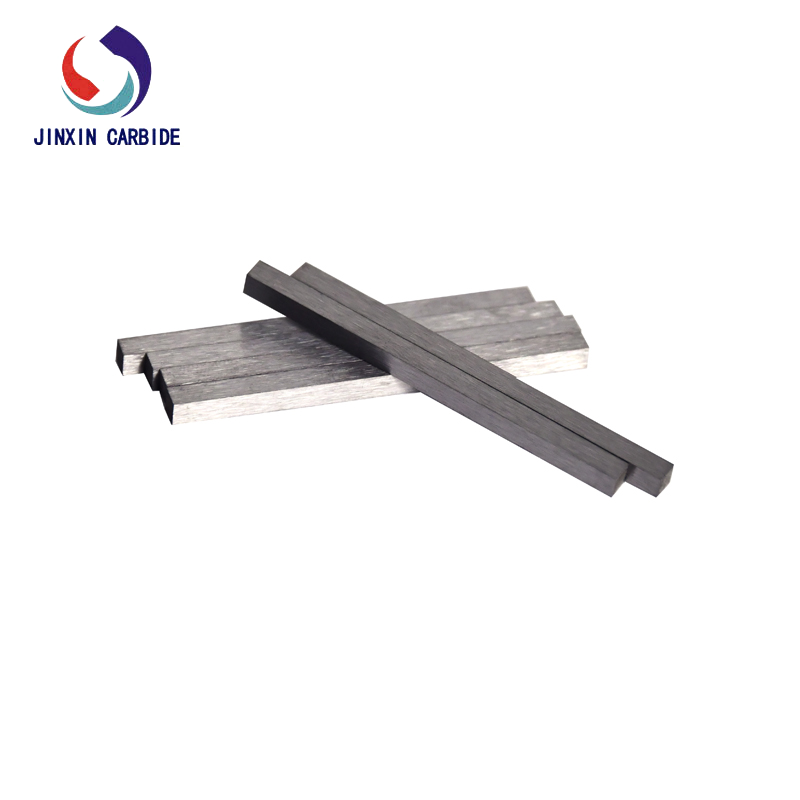
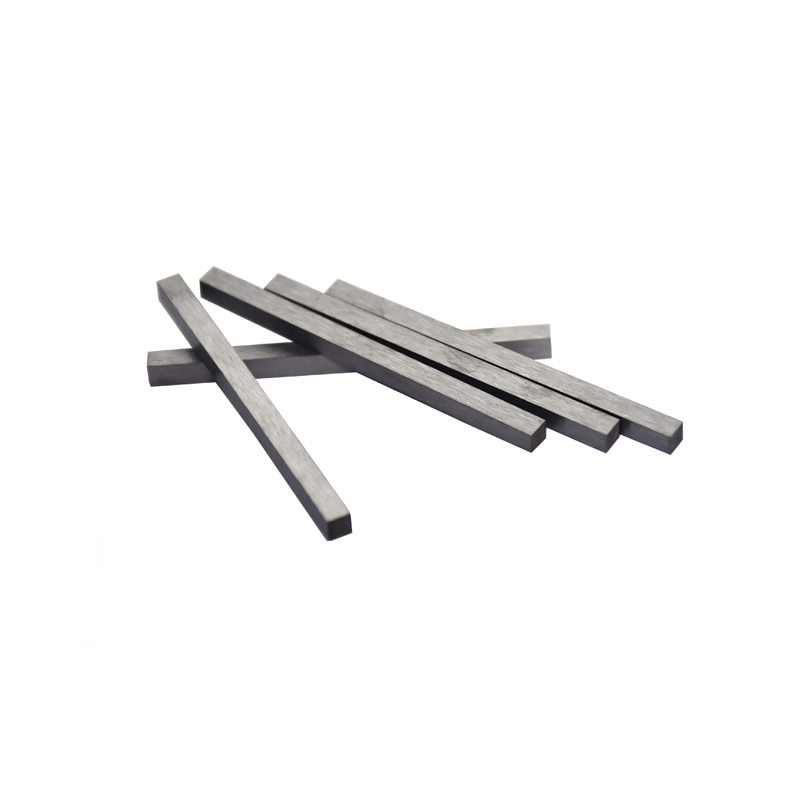
Tungsten carbide strips are designed for wear-resistant tooling and cutting applications, providing stable hardness and long service life in industrial environments. Carbide strips support continuous machining operations and reduce tool replacement frequency in heavy-duty production systems.
Product Overview
Carbide strips are engineered for industrial environments requiring high hardness, wear resistance, and dimensional stability. Tungsten carbide strips are widely used in cutting systems, forming tools, and wear-resistant components where continuous mechanical stress is present. Carbide strips are manufactured using cemented carbide materials with controlled grain structure to ensure consistent performance in demanding applications.
Tungsten carbide strips are suitable for machining tools, precision cutting systems, and industrial wear parts. Carbide strips maintain structural integrity under high pressure, high friction, and high-temperature operating conditions. Solid carbide strips are commonly selected for applications requiring stable geometry and long service life under continuous load.
Cutting carbide strip products are designed for high-efficiency machining operations where sharp edge retention and stable cutting performance are required. Carbide strips provide a balance between hardness and toughness, making carbide strips suitable for both rough machining and precision finishing applications.
Customized carbide strips are available for industries requiring non-standard dimensions or special performance requirements. Tungsten carbide strips can be produced in different grades, thicknesses, and geometries according to engineering specifications.
Carbide strips are widely recognized as essential materials in modern manufacturing systems, especially in environments where conventional tool steel fails to provide sufficient wear resistance. Tungsten carbide strips offer extended service life and reduced maintenance frequency, improving overall production efficiency.
Applications
Carbide strips are widely applied across multiple industrial sectors including metal processing, woodworking, mining, construction machinery, and precision tooling industries. Tungsten carbide strips are commonly used in cutting tools, wear plates, guide rails, and forming dies.
In metal cutting applications, carbide strips are used in CNC machining tools, stamping dies, and high-speed cutting systems. Cutting carbide strip solutions provide stable cutting edges and reduce tool deformation during continuous machining operations. Carbide strips improve surface finish quality and machining accuracy in industrial production lines.
In woodworking applications, tungsten carbide strips are used in planer knives, saw blades, and shaping tools. Carbide strips maintain sharp cutting edges even under high-speed rotation and abrasive wood fiber conditions. Solid carbide strips are preferred in precision woodworking machinery requiring consistent output quality.
In mining and mineral processing industries, carbide strips are used in crushing equipment, wear liners, and material handling systems. Tungsten carbide strips provide excellent resistance to abrasion caused by rock particles, ore materials, and slurry mixtures. Carbide strips extend equipment service life in harsh mining environments.
In industrial machinery applications, carbide strips are used in guide systems, sealing structures, and mechanical wear components. Carbide strips reduce friction and wear between moving parts, improving mechanical stability and reducing downtime.
Customized carbide strips are widely used in special engineering applications where standard components cannot meet performance requirements. Tungsten carbide strips can be designed for specific load conditions, temperature ranges, and wear environments.
Carbide strips also play a critical role in automated production systems, where continuous operation requires stable wear resistance and minimal maintenance interruption.
Material Advantages
Tungsten carbide strips are manufactured from cemented carbide materials composed of tungsten carbide particles and cobalt binder. This composition provides an optimal balance between hardness and toughness, making carbide strips suitable for high-stress industrial environments.
Carbide strips exhibit extremely high hardness, typically ranging from HRA 88 to HRA 92 depending on grade selection. This hardness allows tungsten carbide strips to resist deformation under heavy load conditions. Carbide strips maintain edge sharpness and structural integrity during long-term operation.
Wear resistance is one of the most important advantages of carbide strips. Tungsten carbide strips significantly reduce material loss caused by friction, impact, and abrasion. Carbide strips are widely used in applications where steel materials wear out rapidly.
Cutting carbide strip products provide excellent thermal stability during high-speed machining. Carbide strips maintain performance under elevated temperature conditions generated during cutting operations. This reduces tool failure caused by thermal fatigue.
Solid carbide strips provide uniform internal structure, ensuring consistent mechanical performance across the entire material. Carbide strips reduce the risk of cracking or deformation under uneven load distribution.
Corrosion resistance is another important advantage of tungsten carbide strips. Carbide strips perform well in chemical processing environments where exposure to corrosive media is common.
Customized carbide strips can be engineered with different cobalt content to adjust toughness and wear resistance balance. Tungsten carbide strips can be optimized for either high-impact or high-wear conditions depending on application requirements.
Carbide strips provide longer service life compared to traditional tool steels, reducing production downtime and maintenance costs. This makes carbide strips a cost-effective solution for industrial manufacturing systems.
Manufacturing Process
Carbide strips are manufactured using powder metallurgy technology, which involves mixing tungsten carbide powder with cobalt binder, followed by pressing and sintering at high temperature. Tungsten carbide strips achieve high density and uniform microstructure through controlled sintering processes.
The production of carbide strips begins with raw material selection. High-purity tungsten carbide powder is selected to ensure consistent hardness and wear resistance. Carbide strips require precise material composition control to achieve desired mechanical properties.
After powder preparation, tungsten carbide strips are formed into green compacts using high-pressure pressing equipment. Carbide strips at this stage already have basic shape but require sintering to achieve final strength.
Sintering is a critical stage in carbide strips manufacturing. Tungsten carbide strips are heated to temperatures above 1300°C, allowing cobalt binder to melt and bond carbide particles together. This process gives carbide strips their final hardness and structural integrity.
After sintering, carbide strips undergo precision grinding and machining. Cutting carbide strip products require tight dimensional tolerances to ensure compatibility with industrial tooling systems. Carbide strips are processed using diamond grinding wheels due to their extreme hardness.
Surface finishing is applied to tungsten carbide strips to improve smoothness and reduce friction during operation. Solid carbide strips require high surface quality to ensure stable performance in precision applications.
Quality inspection is performed on all carbide strips, including hardness testing, density measurement, dimensional accuracy checks, and microstructure analysis. Carbide strips must meet strict industrial standards before delivery.
Customized carbide strips are manufactured using flexible production systems that allow adjustment of size, shape, and material grade. Tungsten carbide strips can be produced according to engineering drawings and customer requirements.
Conclusion
Carbide strips are essential industrial materials used in cutting systems, wear-resistant components, and precision tooling applications. Tungsten carbide strips provide exceptional hardness, wear resistance, and stability under extreme working conditions. Carbide strips are widely used in metal processing, mining, woodworking, and mechanical engineering industries.
Cutting carbide strip solutions improve machining efficiency and extend tool life in high-speed production environments. Solid carbide strips ensure stable performance under continuous load conditions. Customized carbide strips provide flexible solutions for specialized industrial requirements.
Tungsten carbide strips remain one of the most reliable materials for industrial wear protection and precision cutting systems, offering long service life, reduced maintenance costs, and improved operational efficiency.