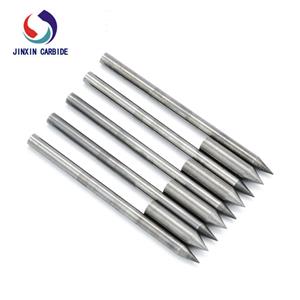
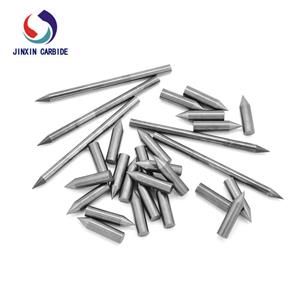
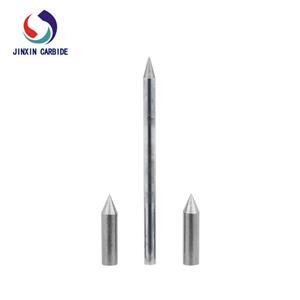
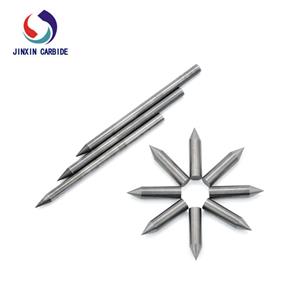
Gradient Tungsten Carbide Rod vs Conventional Carbide Rod | Advanced Material for Cutting Tools
Brand Name : JINXIN
Place of Origin : CHINA
MOQ : 100PCS
Packaging Details : Plastic Box + Carton
Delivery Time : 15 days
Supply Ability : 10000 PCS/MONTH
Matierial : Tungsten carbide、Cermet
Grade : YL10.2 /Cermet
Type : Customized
Application : Micro Cutting Tools
Grain Size : Submicron / Fine Grain
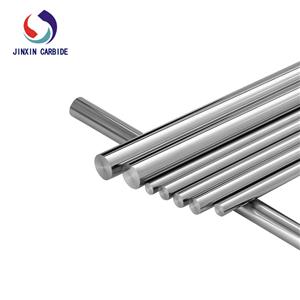
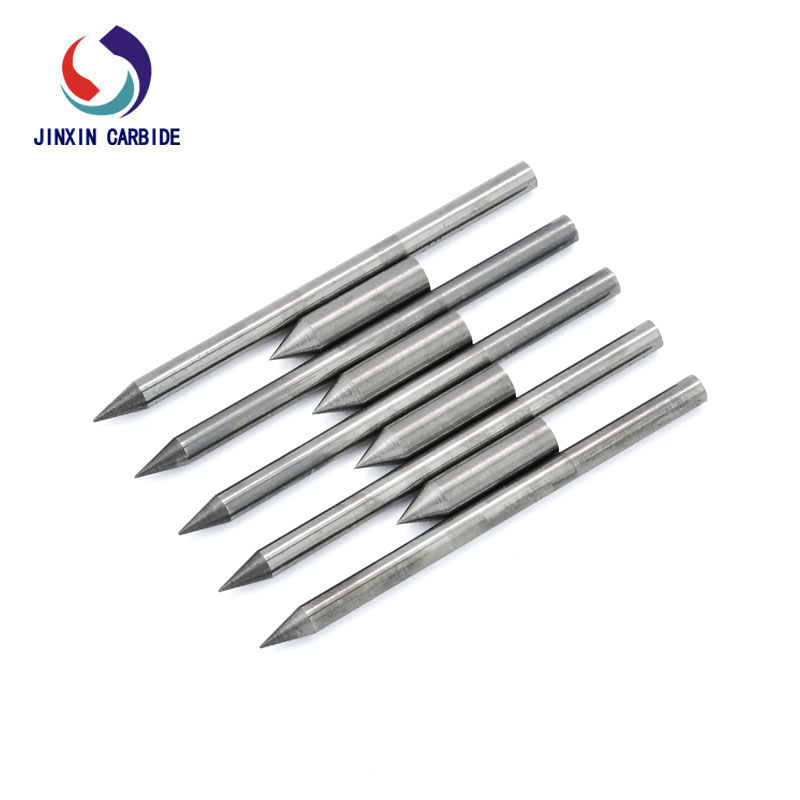
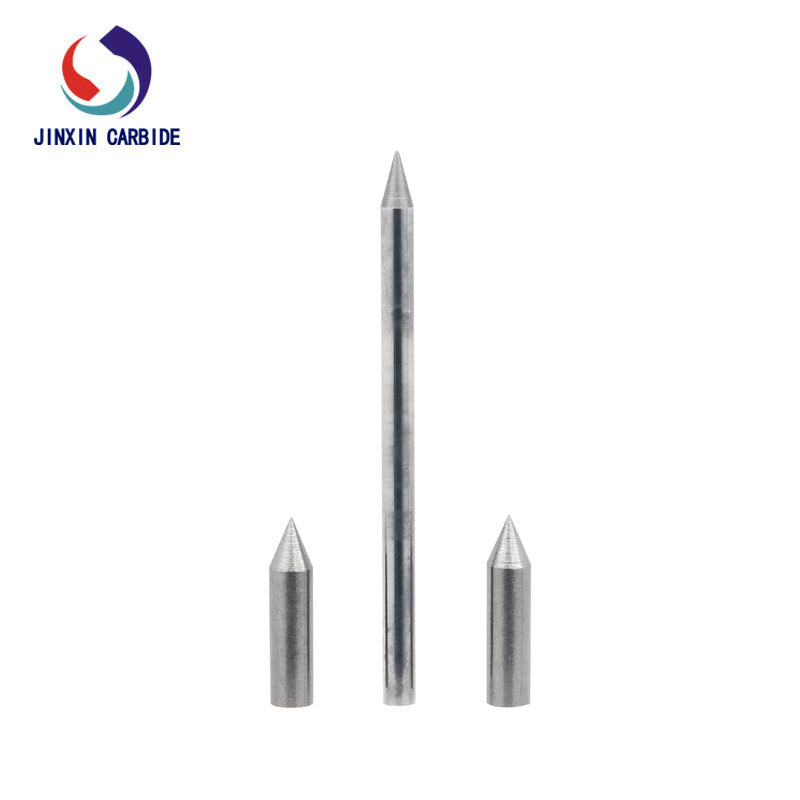
Gradient Tungsten Carbide Rod represents a new generation of carbide material technology. Compared with conventional carbide rods, JG02 achieves a better balance between hardness and toughness, improving tool life, cutting stability and production efficiency.
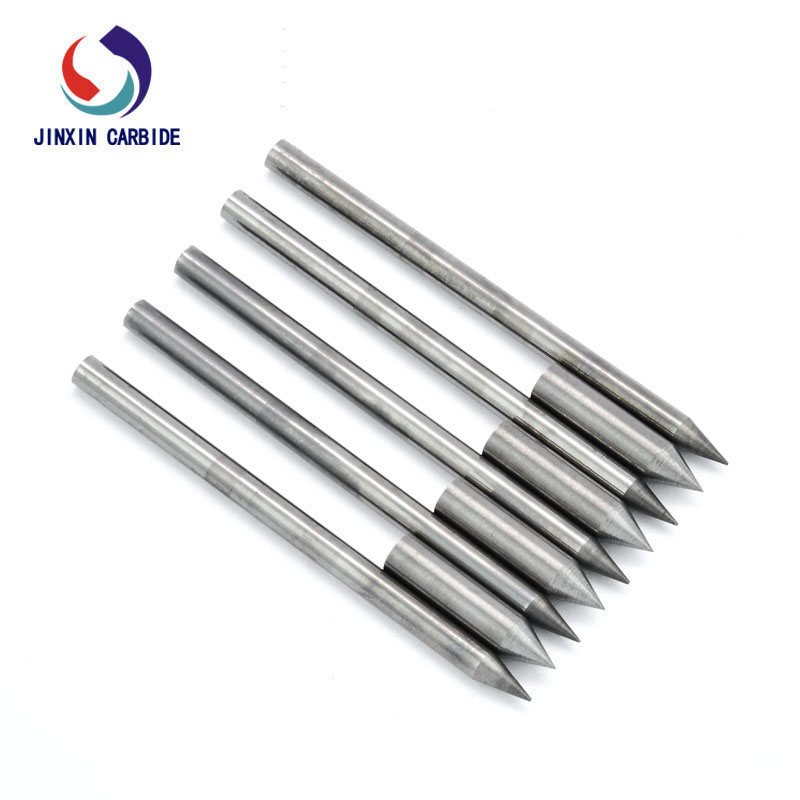
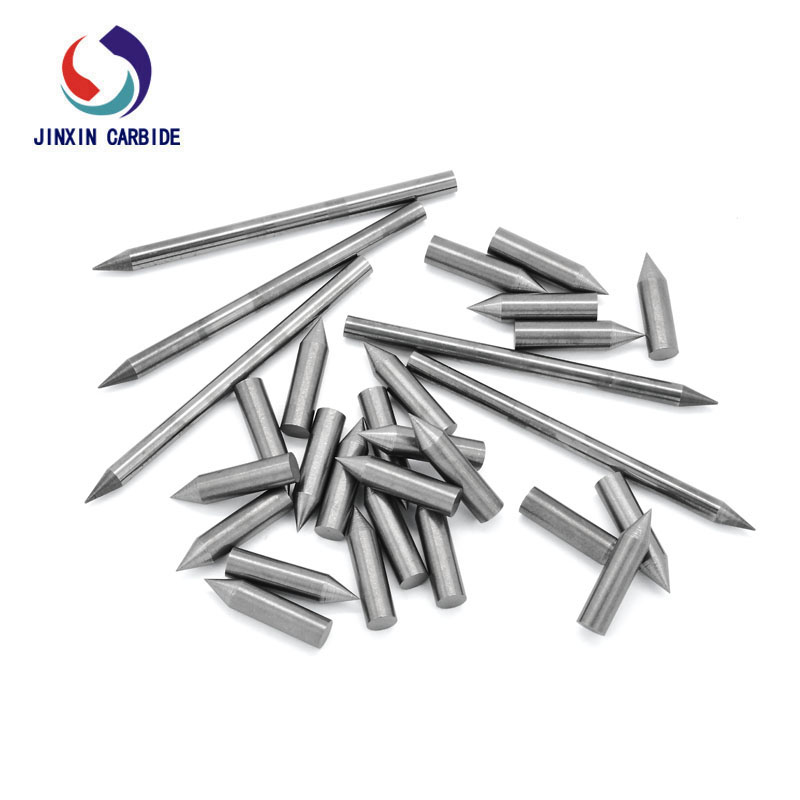
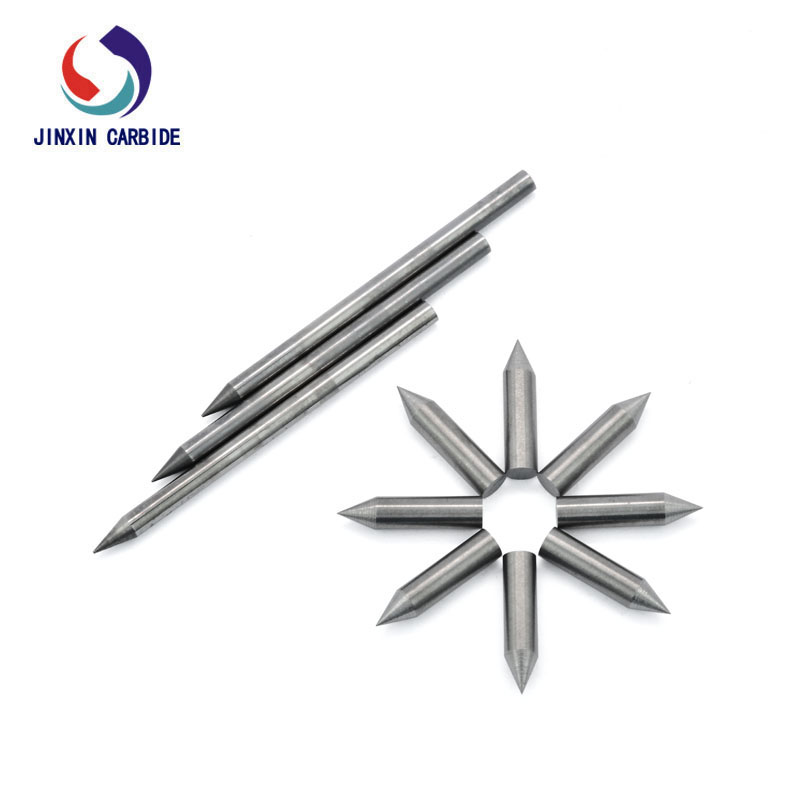
Gradient Tungsten Carbide Rod vs Conventional Carbide Rod
A New Generation Carbide Material Solution for High Performance Cutting Tools
Tungsten carbide rods are one of the most important raw materials for manufacturing precision cutting tools. Solid carbide end mills, drills, taps, reamers, and mold punches all depend on carbide rod performance to achieve high machining efficiency and long service life.
For many years, conventional tungsten carbide rods have been widely used in the cutting tool industry. These carbide rods provide excellent hardness, wear resistance, and machining performance.
However, with the continuous development of modern manufacturing industries, traditional carbide materials are facing increasing challenges.
High-speed machining, difficult-to-cut materials, automated production lines, and precision manufacturing require cutting tools with:
Higher cutting speed
Longer service life
Better fracture resistance
Improved machining stability
Lower production cost
A conventional carbide rod usually has a uniform material structure. The entire rod has similar hardness, toughness, and mechanical properties.
Although this structure is suitable for general applications, it creates limitations when manufacturers need both:
Extremely hard cutting edges
Strong and reliable tool bodies
Harder carbide materials normally provide better wear resistance but may become more brittle.
Tougher carbide materials provide better strength but may reduce cutting efficiency.
The development of JG02 Gradient Tungsten Carbide Rod provides a new solution.
Through innovative gradient carbide technology, JG02 combines different material characteristics in one carbide rod.
The cutting area focuses on hardness and wear resistance.
The shank area focuses on toughness and fracture strength.
This allows cutting tools to achieve higher overall performance compared with traditional carbide rods.
Understanding Conventional Tungsten Carbide Rod Structure
Uniform Material Structure
Traditional carbide rods are manufactured with a consistent composition throughout the entire rod.
The material structure remains almost identical from one end to another.
Advantages:
Stable production process
Reliable quality
Wide application range
Competitive cost
However, the uniform structure also creates a performance limitation.
Every part of the carbide rod must use the same material properties.
For example:
The cutting edge requires:
Maximum hardness
Strong wear resistance
Excellent heat resistance
But the shank requires:
Higher toughness
Better impact resistance
Strong fracture resistance
These two requirements are often contradictory.
A carbide grade optimized for cutting performance may not provide sufficient strength.
A carbide grade optimized for toughness may not provide enough wear resistance.
This is the fundamental challenge of traditional carbide materials.
What Makes JG02 Gradient Tungsten Carbide Rod Different?
Gradient Material Technology
JG02 Gradient Tungsten Carbide Rod uses an advanced material design concept.
Instead of maintaining identical properties throughout the whole carbide rod, JG02 creates optimized performance zones.
The carbide rod contains:
High Hardness Cutting Zone
The cutting area provides:
Higher hardness
Better wear resistance
Longer edge life
Improved cutting performance
This area directly supports machining efficiency.
High Strength Shank Zone
The shank area provides:
Higher toughness
Better bending resistance
Improved fracture strength
Greater vibration resistance
This area supports tool reliability.
The combination creates a carbide material that is stronger where strength is needed and harder where cutting performance is required.
Performance Comparison
JG02 Gradient Carbide Rod vs Traditional Carbide Rod
| Performance | Conventional Carbide Rod | JG02 Gradient Carbide Rod |
|---|---|---|
| Material Structure | Uniform | Gradient Structure |
| Hardness Distribution | Same Throughout | Optimized by Area |
| Toughness | Fixed Value | Enhanced Shank Performance |
| Cutting Edge Performance | Good | Excellent |
| Breakage Resistance | Standard | Higher |
| Tool Stability | Normal | Improved |
| Application Range | General Tools | Premium Cutting Tools |
Higher Hardness Without Excessive Brittleness
Many customers believe higher hardness always means better carbide performance.
However, carbide materials require a balance.
If hardness increases too much:
Material becomes brittle
Impact resistance decreases
Edge chipping risk increases
JG02 Gradient Tungsten Carbide Rod solves this problem by separating performance requirements.
The cutting zone maintains:
HRA 91.5-92
for excellent wear resistance.
The shank maintains:
TRS ≥3600 MPa
for excellent mechanical strength.
This balance allows manufacturers to produce reliable tools with better performance.
Improved Tool Life
Tool life is one of the most important factors for cutting tool manufacturers and end users.
A short tool life causes:
Frequent tool replacement
Increased downtime
Higher production cost
Lower productivity
JG02 Gradient Tungsten Carbide Rod improves tool life through:
Reduced Edge Wear
The high hardness cutting area maintains sharpness longer.
Reduced Tool Breakage
The stronger shank structure reduces sudden failure.
Stable Cutting Performance
The optimized structure improves machining consistency.
Better Surface Quality
Stable cutting reduces vibration and improves workpiece finish.
Applications Comparison
End Mills
Traditional carbide rods may experience breakage during heavy milling.
JG02 improves:
Milling stability
Impact resistance
Cutting life
Drills
Small diameter drills require high strength because the tool body is thin.
JG02 provides:
Better fracture resistance
Improved drilling reliability
Taps
Tapping operations generate high torque.
JG02 improves:
Torsional strength
Thread accuracy
Tool durability
Mold Punches
Punch tools require repeated impact resistance.
JG02 provides:
Better toughness
Longer service life
Why Tool Manufacturers Are Moving Toward Gradient Carbide
The cutting tool industry is moving toward higher performance materials.
Customers increasingly demand:
Faster machining
Lower cost per part
Less downtime
Higher automation efficiency
Traditional carbide materials are reaching their performance limits.
Gradient carbide technology represents the future development direction of cemented carbide materials.
JG02 provides manufacturers with:
Advanced material technology
Better tool reliability
Improved customer competitiveness
JINXIN JG02 Manufacturing Capability
JINXIN specializes in tungsten carbide material development and precision carbide manufacturing.
Production advantages include:
Advanced Material Development
Professional engineers continuously develop new carbide grades according to market requirements.
Strict Raw Material Control
High-quality tungsten carbide powder ensures:
Stable density
Consistent hardness
Reliable performance
Precision Manufacturing
Production includes:
Powder preparation
Pressing
HIP sintering
Grinding
Quality inspection
Customized Gradient Carbide Rod Service
JINXIN provides customized solutions for global customers.
Available options:
Customized diameter
Customized length
Different tolerance requirements
Surface grinding
OEM packaging
Private label
Suitable for:
Cutting tool manufacturers
CNC tool suppliers
Mold companies
Industrial distributors
Why Choose JG02 Gradient Tungsten Carbide Rod?
JG02 provides advantages that traditional carbide rods cannot achieve:
One Material, Two Performance Advantages
High hardness and high strength are combined together.
Better Cost Performance
Longer tool life reduces overall tooling cost.
More Reliable Production
Lower tool failure improves production efficiency.
Advanced Material Technology
A new generation solution for modern cutting tools.
FAQ
What is the difference between JG02 and conventional carbide rods?
Traditional carbide rods have uniform properties. JG02 uses gradient technology to optimize hardness and toughness in different areas.
Is JG02 harder than normal carbide rods?
JG02 provides a high hardness cutting zone with HRA 91.5-92 while maintaining excellent strength.
Why does JG02 reduce tool breakage?
The strengthened shank area improves fracture resistance and vibration resistance.
What tools can use JG02 carbide rods?
JG02 can be used for:
End mills
Drills
Taps
Reamers
Punches
Is JG02 suitable for high-speed machining?
Yes. The balanced hardness and toughness make JG02 suitable for high-speed CNC machining applications.
Can JINXIN provide OEM production?
Yes. Customized carbide rod production is available according to customer drawings and requirements.
Sales Manager
Zhuzhou Jinxin Carbide Tire Stud Co.,Ltd
269 Jinlong East Road, Hetang District, Zhuzhou, Hunan , China
Whatsapp: +86 18975301609
Mobile: +86 16673312902