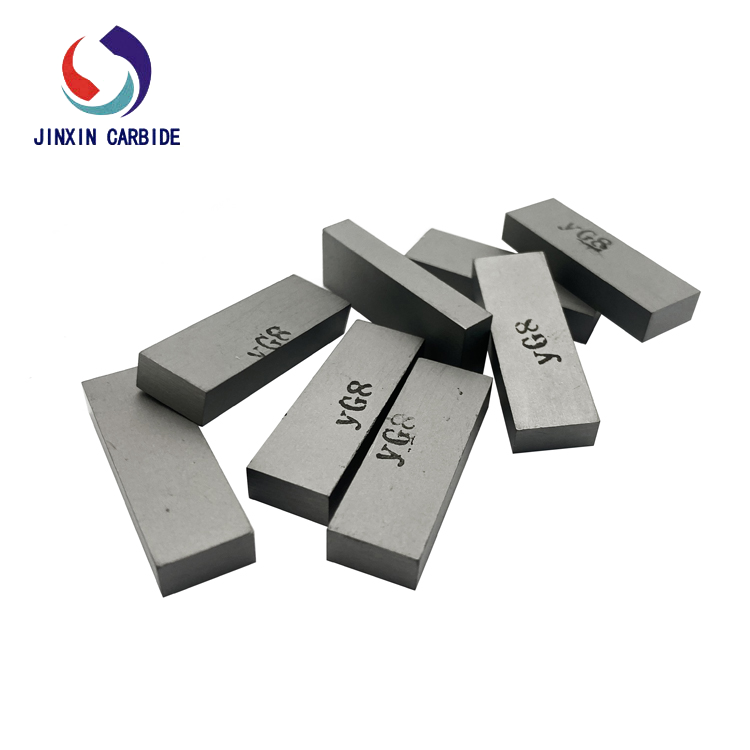
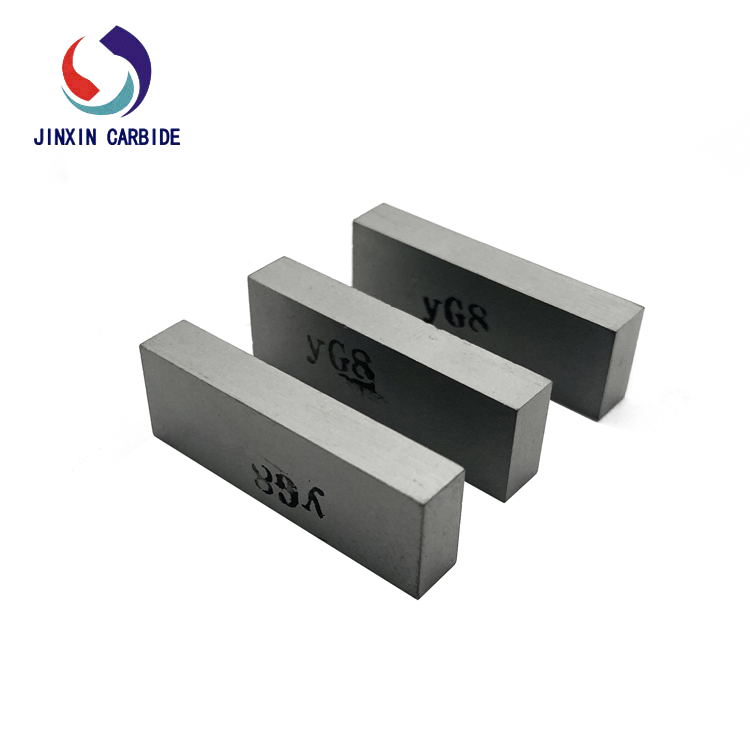
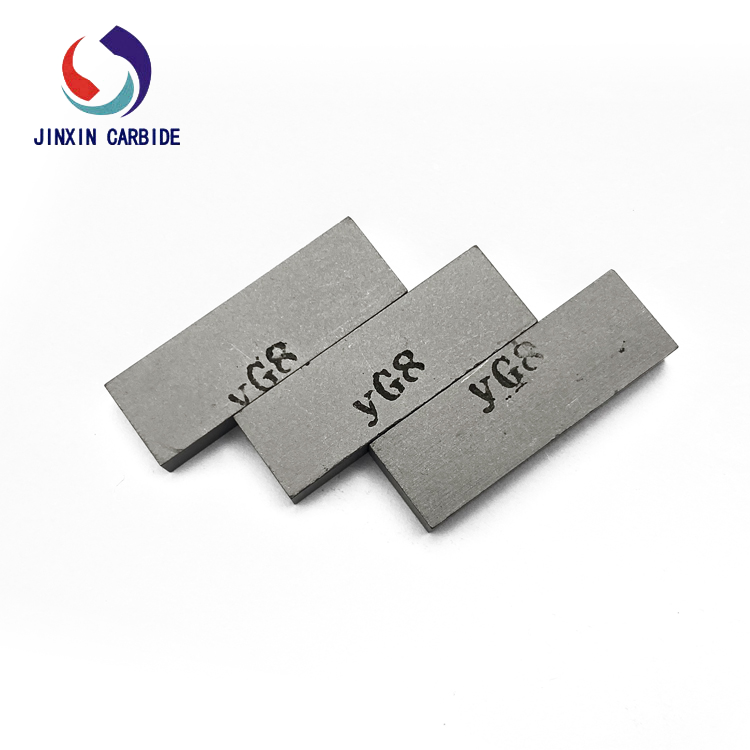
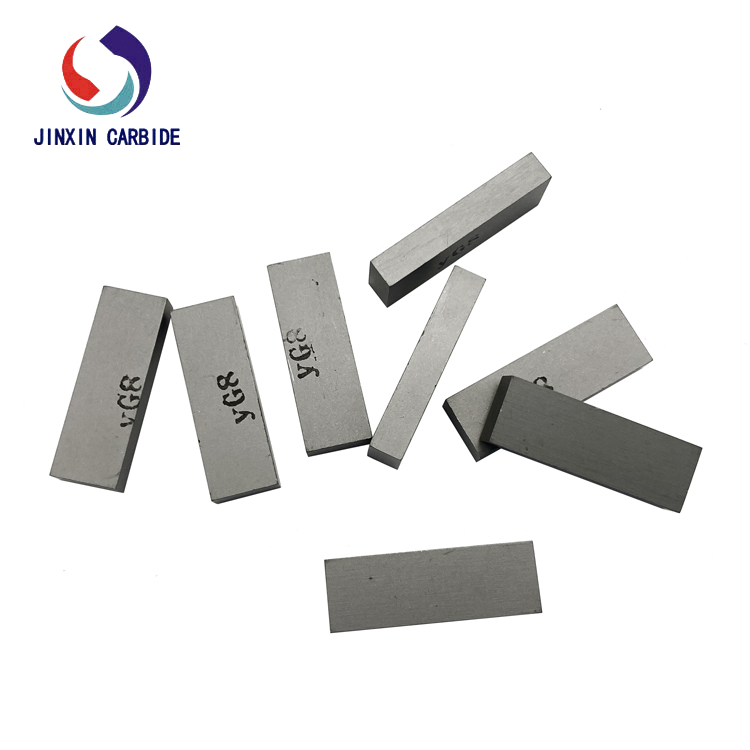
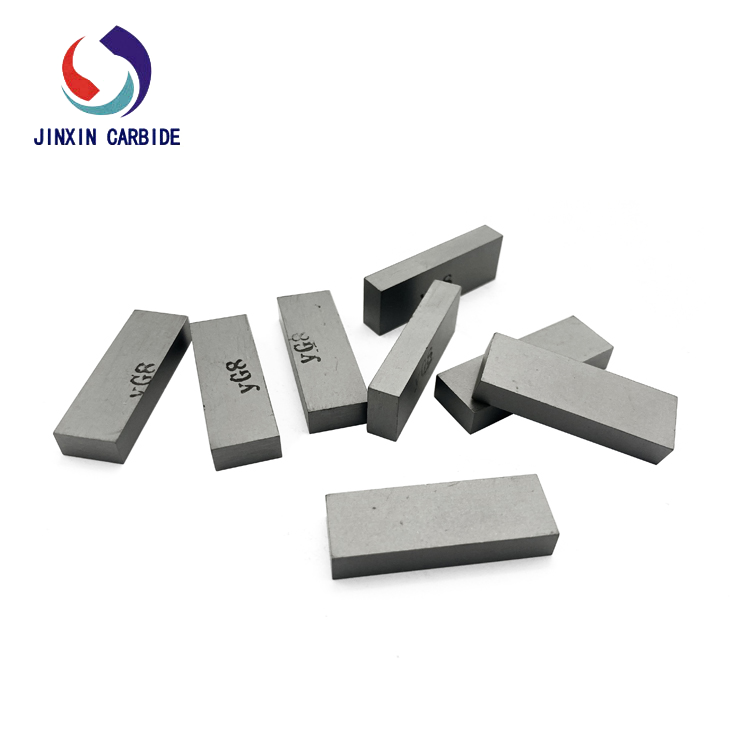
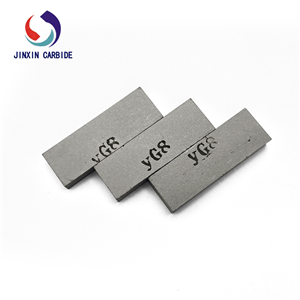
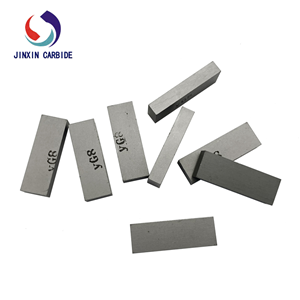
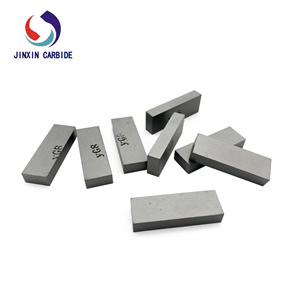
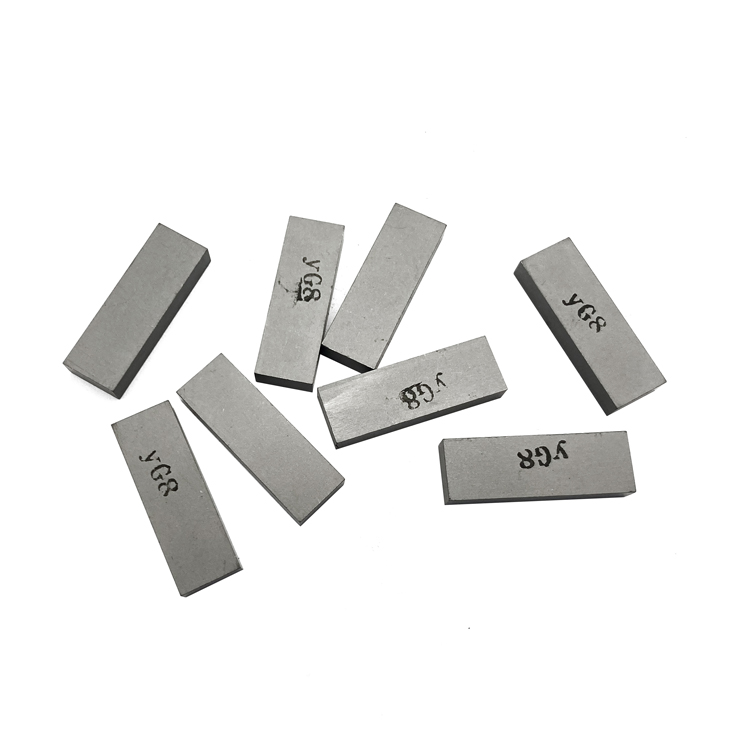
Tungsten Carbide Strips for Cutting Blades, Wear Parts and Industrial Tooling
Brand Name : JINXIN
Place of Origin : Zhuzhou
MOQ : 3kg
Packaging Details : General Packaging
Delivery Time : 20-25 days
Supply Ability : 30,000–50,000 pcs per month
Matierial : tungsten carbide
Grade : YL10.2,YG8,YG6 and so on
Application : cutting tool, wear part
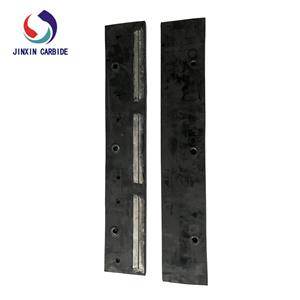
Tungsten carbide strips are designed for cutting blades, wear parts, and high-load tooling systems, providing consistent performance under abrasive and high-pressure conditions. Customized carbide strips support precise dimensional control and stable supply for industrial manufacturing applications.
Introduction to Carbide Strips in Industrial Use
Carbide strips play a critical role in modern manufacturing systems where component failure caused by wear or deformation directly affects production efficiency. Tungsten carbide strips are selected in environments where traditional alloy steel cannot maintain long-term stability. Carbide strips are commonly integrated into cutting assemblies, guiding structures, and wear protection components across multiple industries.
Unlike standard tool materials, solid carbide strips provide a dense and rigid structure capable of handling repeated mechanical stress. Tungsten carbide strips are particularly suitable for continuous production lines where consistency and durability are required over extended operating cycles. Carbide strips contribute to improved process reliability and reduced unexpected downtime.
Functional Roles in Cutting and Wear Systems
In cutting applications, cutting carbide strip components are installed on blades, inserts, and tool edges where precise material removal is required. Tungsten carbide strips maintain edge integrity under high-speed rotation and friction, ensuring stable cutting performance across long production runs. Carbide strips are frequently used in slitting tools, shearing systems, and trimming equipment.
For wear protection, carbide strips are applied to surfaces exposed to constant abrasion, such as conveyor systems, scraper assemblies, and guide rails. Tungsten carbide strips reduce surface degradation caused by contact with hard materials, significantly extending service intervals. Solid carbide strips are also used in forming tools where repeated impact and pressure require consistent material strength.
Customized carbide strips are particularly important in equipment that operates under unique load conditions. Carbide strips can be tailored to specific dimensions and tolerances, ensuring compatibility with complex mechanical assemblies.
Performance Characteristics Under Industrial Conditions
Tungsten carbide strips demonstrate stable behavior under conditions involving friction, pressure, and temperature variation. Carbide strips maintain dimensional accuracy even when exposed to heavy mechanical load, which is essential for maintaining alignment in precision systems.
Cutting carbide strip products provide reliable cutting efficiency due to strong resistance to edge wear. Tungsten carbide strips reduce the frequency of regrinding or replacement, improving overall production continuity. Solid carbide strips also exhibit high resistance to micro-cracking, ensuring long-term operational safety.
In abrasive environments, carbide strips outperform conventional materials by maintaining surface integrity over extended periods. Tungsten carbide strips are suitable for processing metals, composites, and mineral-based materials where wear resistance is critical.
Engineering Flexibility and Custom Production
Customized carbide strips allow manufacturers to adapt materials to specific operational requirements. Tungsten carbide strips can be produced with varying thickness, width, and length to match equipment design. Carbide strips are also available in different material grades depending on the balance between hardness and toughness required.
Solid carbide strips are commonly selected for applications requiring uniform structure and predictable performance. Cutting carbide strip configurations can be adjusted to improve cutting angles and efficiency. Carbide strips are widely used in OEM manufacturing where non-standard components are required.
Production processes for tungsten carbide strips are designed to ensure consistency across batches. Carbide strips are manufactured with strict dimensional control, making carbide strips suitable for integration into high-precision systems.
Production Process and Quality Assurance
The production of carbide strips involves multiple controlled steps to ensure reliable performance. Tungsten carbide strips are formed using powder metallurgy techniques, followed by high-temperature sintering to achieve material density and strength. Carbide strips are then processed through precision grinding to meet exact dimensional requirements.
Solid carbide strips require specialized machining tools due to material hardness. Cutting carbide strip edges are refined to ensure optimal cutting performance. Tungsten carbide strips are inspected for structural integrity, hardness levels, and dimensional consistency.
Quality assurance procedures ensure that carbide strips meet industrial standards before delivery. Customized carbide strips are verified against technical drawings to ensure compliance with customer specifications.
Industrial Value and Long-Term Efficiency
Carbide strips provide measurable value in industrial operations by reducing maintenance frequency and improving equipment reliability. Tungsten carbide strips allow systems to operate longer without interruption, which is essential in high-volume production environments.
Cutting carbide strip solutions improve machining consistency and reduce variability in finished products. Solid carbide strips support stable operation in both cutting and wear applications. Carbide strips are widely adopted in industries where operational efficiency directly impacts production cost.
Customized carbide strips contribute to optimized equipment performance by matching material properties with specific application requirements. Tungsten carbide strips remain a preferred solution for industrial systems requiring durability and precision.
Conclusion
Tungsten carbide strips are widely used in cutting tools, wear components, and industrial machinery requiring reliable performance under demanding conditions. Carbide strips provide durability, structural stability, and long service life across multiple applications.
Cutting carbide strip products enhance machining efficiency, while solid carbide strips ensure consistent performance in wear systems. Customized carbide strips offer flexible solutions for specialized engineering requirements. Carbide strips continue to play a key role in modern industrial manufacturing.
Contact
Suzy Chen
WhatsApp/WeChat/Tel:+86 18673306575
Email:sales1@jxcarbide.com