
Carbide Tire Studs vs Steel Studs: Why Material Choice Matters in Winter Safety
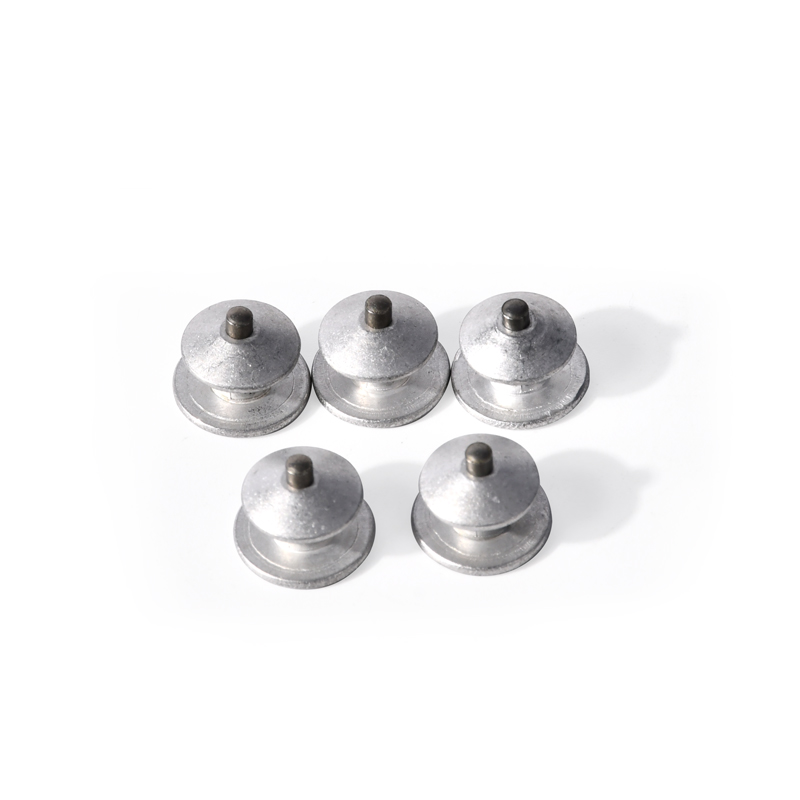
Carbide Tire Studs vs Traditional Steel Studs: A Key Upgrade in Winter Traction Technology
Winter driving safety depends heavily on tire traction performance. For decades, steel tire studs have been widely used as a basic solution to improve grip on snow and ice roads. However, as road conditions become more demanding and vehicle usage intensifies, the limitations of traditional materials have become increasingly obvious.
This has led to a growing shift toward carbide tire studs, which offer significantly improved wear resistance and traction stability.
Limitations of Traditional Steel Studs
While steel studs can provide short-term traction improvement, they are subject to several performance limitations:
Faster wear under continuous friction
Reduced grip after partial deformation
Shorter service life in icy road conditions
Performance instability in extreme cold environments
As a result, frequent replacement and inconsistent performance can increase operational costs and reduce driving safety reliability.
Advantages of Carbide Tire Stud Technology
Carbide tire studs use tungsten carbide as the key functional material, which significantly changes performance behavior under harsh conditions.
1. Higher Wear Resistance
Tungsten carbide maintains hardness even under prolonged friction with ice and asphalt, resulting in much slower wear rates compared to steel.
2. More Stable Traction Performance
Carbide tips maintain consistent micro-penetration into ice surfaces, ensuring stable grip throughout their service life.
3. Extended Operational Lifespan
Reduced wear means fewer replacements, which is especially important for commercial fleets operating in winter seasons.
4. Better Long-Term Cost Efficiency
Although initial material cost is higher, the extended service life reduces overall maintenance and replacement costs.
Application Scenario Comparison
Steel studs are generally suitable for light or short-term winter use, such as:
Occasional snow driving
Light passenger vehicles in mild winter regions
Carbide tire studs are preferred in more demanding environments, including:
Heavy-duty trucking on ice roads
Long-distance winter logistics transport
Mining and industrial vehicles in cold regions
Continuous operation in severe snow conditions
Why Material Selection Directly Impacts Safety
The difference between steel and carbide is not just a material upgrade—it directly affects:
Braking distance on ice
Cornering stability
Emergency maneuver control
Tire-road interaction consistency
In winter driving, even small improvements in traction performance can significantly reduce accident risk.
Industry Trend: Moving Toward Carbide-Based Solutions
As logistics networks expand into colder regions and safety standards become stricter, more fleet operators are shifting toward carbide-based traction systems. This trend is driven by the need for:
Higher reliability
Lower downtime
Predictable performance in extreme conditions
Carbide tire studs are increasingly viewed not as an optional upgrade, but as a standard component in winter fleet safety systems.
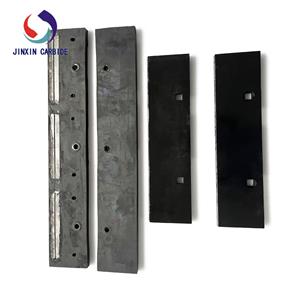 Industrial Tungsten Carbide Snow Plow Cutting Edge for Heavy Equipment
The carbide snow cutting edge is designe
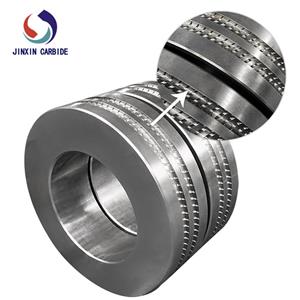 Carbide Roller Cemented Carbide Roll Rings/carbide Roller/tungsten
Tungsten carbide roller ring is a kind o
 Customizable Tungsten Jig Fishing Jig Lure
97% Tungsten high densityFast production
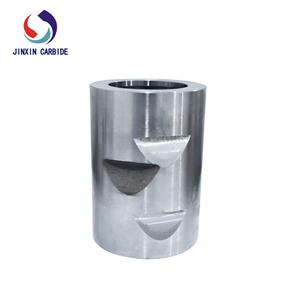 tungsten carbide forming die
Cemented Carbide Cold Heading Dies: Prec
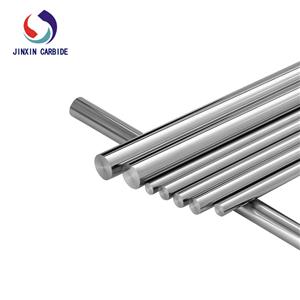 Carbide cutting tools grinding carbide/round carbide rods, Cermet metal rods
1. 100% virgin raw material2. High wear
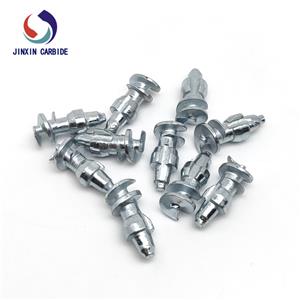 JX174 Removable Srew-in tire Studs Wheel Snow Carbide Spikes
Jinxin Studs are widely used in Northern
| WeChat/Phone : | +86 15573301853 |
|---|---|
| Fax : | +86-731-22332243 |
| Email : | jinxin012@ojinxin.com |