
Cermet Rods as an Emerging Alternative to Tungsten Carbide in Cost-Sensitive Machining Applications
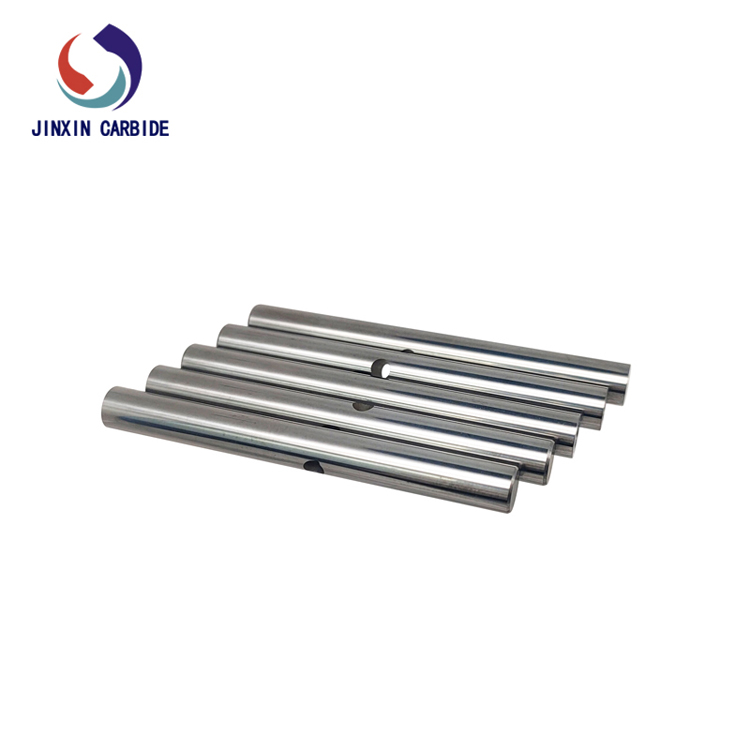
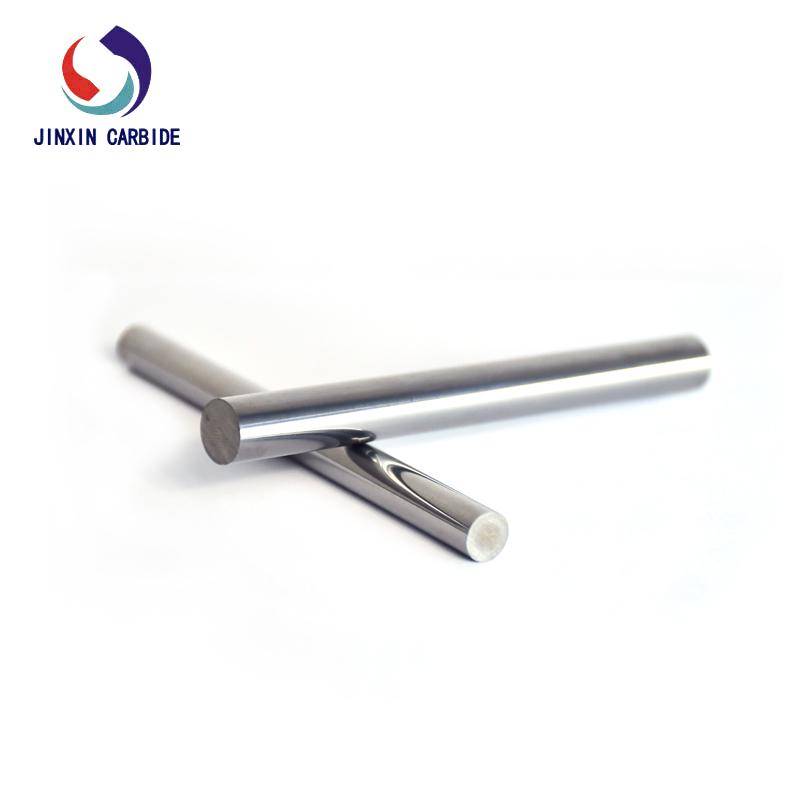
Introduction
As global raw material markets continue to fluctuate, manufacturers are increasingly re-evaluating the materials used in cutting tools and wear components. One of the most notable trends is the rising cost of tungsten, a key element in cemented carbide. This shift has prompted engineers and procurement teams to explore alternative materials that can deliver reliable performance while reducing overall cost.
Among these alternatives, cermet rods (ceramic-metal composite rods) are gaining attention. With advances in material engineering and production processes, cermet rods are no longer limited to niche applications. Instead, they are becoming a practical option in a growing range of machining and wear-resistant applications.
What Are Cermet Rods?
Cermet rods are composite materials made from ceramic particles—typically titanium carbide (TiC), titanium nitride (TiN), or similar compounds—bonded with a metallic phase such as nickel or cobalt.
This hybrid structure combines:
The hardness and wear resistance of ceramics
The toughness and machinability of metals
Unlike tungsten carbide, cermet materials significantly reduce or eliminate reliance on tungsten, making them less sensitive to raw material price fluctuations.
Material Characteristics and Performance
The performance of cermet rods is driven by their unique microstructure.
1. High Hardness and Wear Resistance
Cermet materials offer excellent resistance to abrasive wear, making them suitable for applications involving continuous contact with hard or abrasive materials.
2. Thermal Stability
Compared to traditional carbide, cermet exhibits better resistance to high temperatures and oxidation. This makes it particularly effective in high-speed cutting environments where heat generation is significant.
3. Low Chemical Affinity
Cermet materials tend to have lower chemical reactivity with certain workpiece materials, especially steels. This reduces:
Built-up edge formation
Material adhesion on cutting surfaces
As a result, tools made from cermet can provide smoother cutting performance.
4. Surface Finish Quality
Due to their fine microstructure and cutting behavior, cermet tools are often capable of delivering superior surface finishes, particularly in finishing operations.
Comparison with Tungsten Carbide Rods
While tungsten carbide remains a widely used material, cermet rods offer distinct advantages in specific scenarios.
Cost Efficiency
Reduced dependence on tungsten leads to lower material costs
In many cases, cermet rods can offer significant cost savings (up to 30–50%)
Tool Life in Suitable Applications
In finishing and high-speed cutting operations, cermet tools can:
Maintain sharp cutting edges longer
Provide consistent performance over extended cycles
Performance Trade-Offs
It is important to recognize that cermet is not a direct replacement in all applications.
Carbide generally offers higher toughness for heavy-duty cutting
Cermet is better suited for stable, high-speed, and finishing operations
Selecting the right material depends on the specific machining conditions.
Typical Applications of Cermet Rods
Cermet rods are increasingly used in the production of:
Cutting Tools
Finishing end mills
Turning tools
Precision cutting inserts
Wear Parts
Guide pins
Bushings
Sliding components
Specialized Industrial Applications
High-speed machining tools
Components requiring low friction and high wear resistance
Manufacturing Considerations
The quality of cermet rods depends heavily on the production process.
Key factors include:
Powder Composition Control
Uniform distribution of ceramic and metallic phases is essential for consistent performance.
Sintering Technology
Advanced sintering processes ensure high density and structural integrity.
Dimensional Accuracy
Precision grinding is required to achieve tight tolerances and proper surface finish.
Market Trends and Industry Adoption
As manufacturers face increasing cost pressure and material uncertainty, the adoption of alternative materials is accelerating.
Cermet rods are benefiting from:
Rising tungsten prices
Demand for cost optimization
Improvements in material performance
Industries such as automotive, general machining, and light manufacturing are among the early adopters.
Evaluating Total Cost of Ownership
When considering a switch from carbide to cermet, it is important to evaluate:
Tool cost
Tool life
Machining efficiency
Scrap rate
In many cases, cermet rods can deliver a favorable balance between performance and cost, particularly in high-volume finishing operations.
Conclusion
Cermet rods represent a practical and increasingly attractive alternative to tungsten carbide in cost-sensitive and high-speed machining applications. While they are not a universal replacement, their advantages in wear resistance, thermal stability, and cost efficiency make them a valuable addition to modern material selection strategies.
For manufacturers seeking to optimize both performance and cost, evaluating cermet as part of a diversified material approach is a logical next step.
About Our Materials
We provide both tungsten carbide and cermet rod solutions, supporting customers in selecting the most suitable material for their applications.
Our focus includes:
Stable material quality
Consistent performance
Application-based recommendations
Contact Us
Interested in evaluating cermet rods for your application?
👉 Share your machining conditions
👉 Request samples for testing
👉 Get expert support within 24 hours
Final Insight
In a volatile raw material market, flexibility in material selection is not just an advantage—it is a necessity.
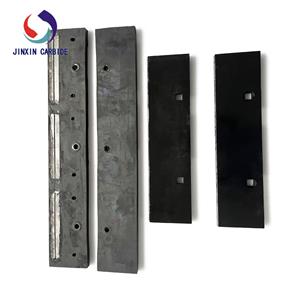 Industrial Tungsten Carbide Snow Plow Cutting Edge for Heavy Equipment
The carbide snow cutting edge is designe
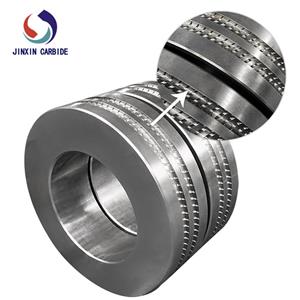 Carbide Roller Cemented Carbide Roll Rings/carbide Roller/tungsten
Tungsten carbide roller ring is a kind o
 Customizable Tungsten Jig Fishing Jig Lure
97% Tungsten high densityFast production
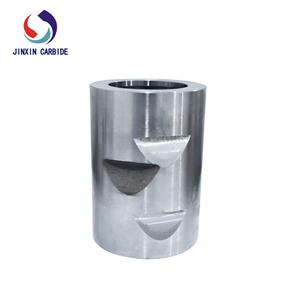 tungsten carbide forming die
Cemented Carbide Cold Heading Dies: Prec
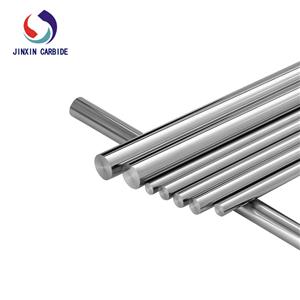 Carbide cutting tools grinding carbide/round carbide rods, Cermet metal rods
1. 100% virgin raw material2. High wear
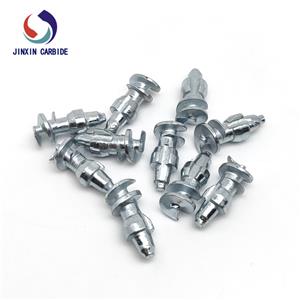 JX174 Removable Srew-in tire Studs Wheel Snow Carbide Spikes
Jinxin Studs are widely used in Northern
| WeChat/Phone : | +86 15573301853 |
|---|---|
| Fax : | +86-731-22332243 |
| Email : | jinxin012@ojinxin.com |