
Cermet Saw Blades: The "Cutting Artists" of Precision Manufacturing
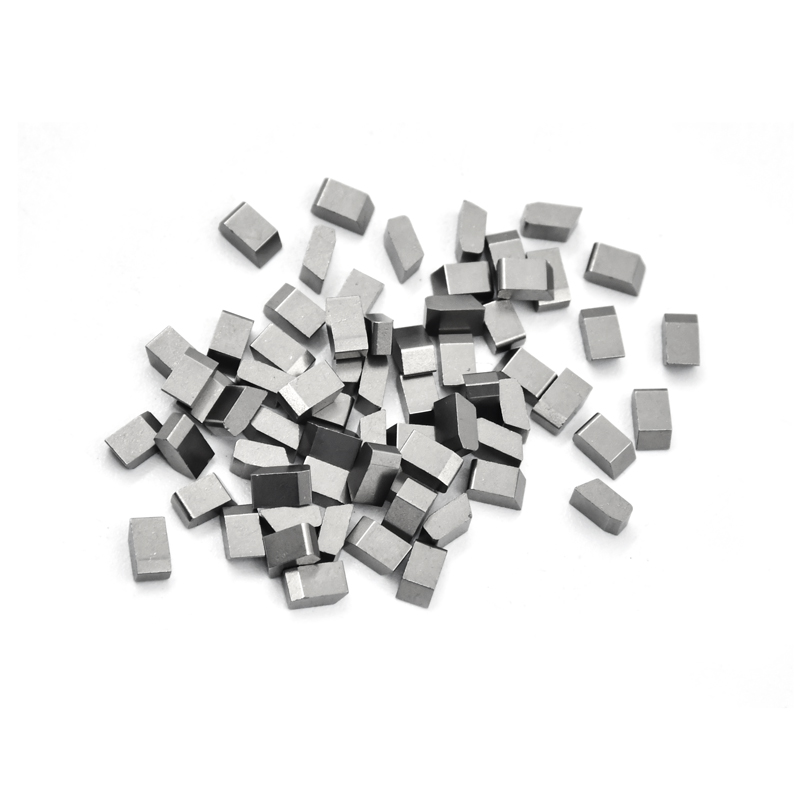
In the fields of precision manufacturing, high-end processing, and special materials handling, a new type of cutting tool called a metal-ceramic saw blade is quietly leading a technological revolution. This composite saw blade, which combines the toughness of metal with the hardness of ceramic, is demonstrating its unique value across multiple industries.
What are cermet saw blades?
Cermet saw blades are made by combining metals (usually cobalt, nickel, etc.) with ceramics (such as titanium carbide, aluminum oxide, etc.) through powder metallurgy technology. This cleverly designed material combines the toughness and thermal conductivity of metals with the high hardness, high temperature resistance, and corrosion resistance of ceramics, creating a cutting tool with superior performance.
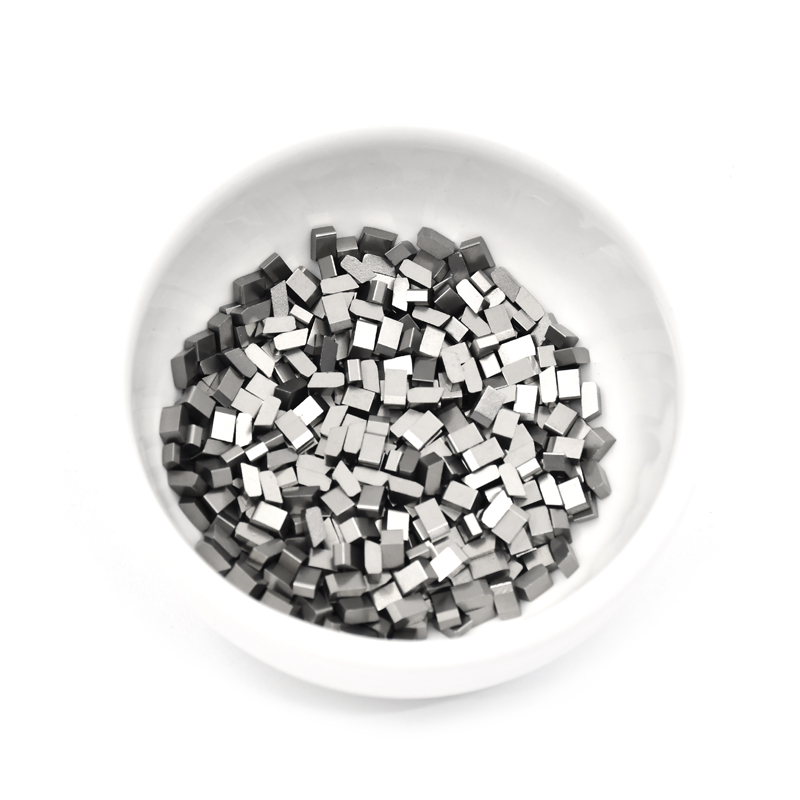
Main application areas
Precision Electronics Manufacturing: Metal-ceramic saw blades perform exceptionally well in cutting semiconductors, circuit boards, and electronic components. Their high-precision cutting capabilities prevent metal debris contamination, making them particularly suitable for microelectronics processing environments where cleanliness is paramount.
Aerospace materials processing: When cutting aerospace materials such as titanium alloys, nickel-based superalloys, and composite materials, cermet saw blades maintain their sharpness and withstand high temperatures without easily deforming, significantly improving processing quality.
Medical device manufacturing: Used for cutting medical-grade stainless steel and special alloys for artificial joints, dental implants, surgical instruments, etc. Its biocompatible material properties prevent contamination and meet the stringent standards of the medical industry.
High-temperature alloy processing: In the energy and chemical industries, metal-ceramic saw blades can effectively cut difficult-to-machine materials such as heat-resistant steel and corrosion-resistant alloys, and have a longer service life than traditional carbide saw blades.
Precision mold processing: In mold manufacturing, metal-ceramic saw blades can achieve high-precision cutting with excellent surface quality, reducing subsequent processing steps.
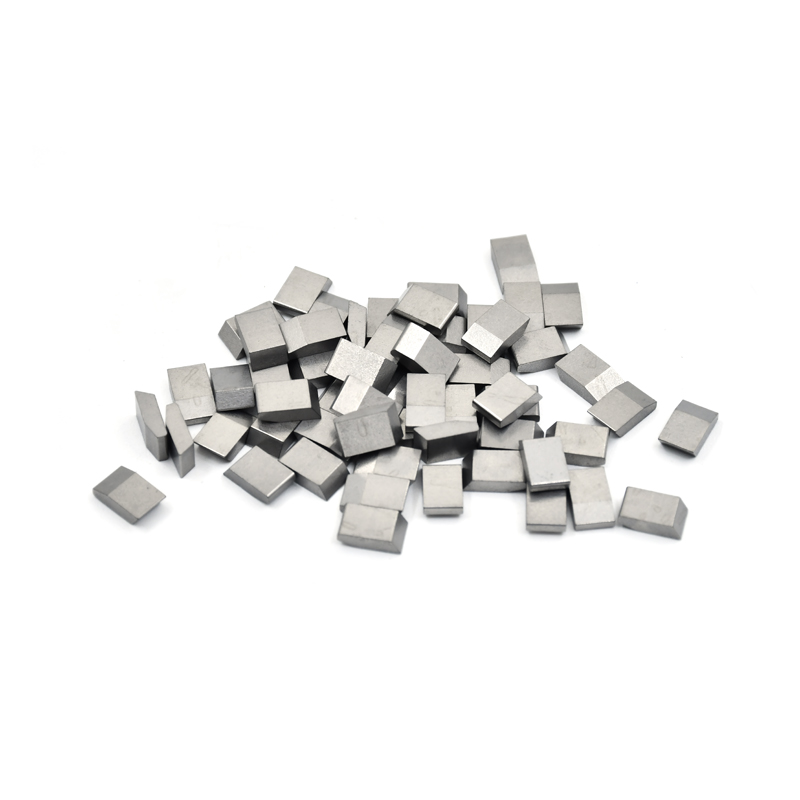
Technological advantages
The outstanding advantage of cermet saw blades lies in their unique combination of material properties: high hardness (up to HRA92-94), excellent wear resistance; strong heat resistance, maintaining performance even at high temperatures of 800-1000℃; good chemical stability, not easily reacting with the material being cut; and possessing a certain degree of toughness, reducing the risk of chipping.
Compared to traditional carbide saw blades, cermet saw blades offer 3-5 times longer lifespan when processing difficult-to-cut materials, higher cutting precision, and better surface finish, making them particularly suitable for modern automated and high-precision manufacturing environments.
Usage and development trends
Operating metal-ceramic saw blades requires specialized equipment and technical parameter settings, and typically involves the use of dedicated cutting machines and cooling systems. With the development of "Industry 4.0" and intelligent manufacturing, metal-ceramic saw blades are being deeply integrated with CNC technology and automation systems to achieve more intelligent cutting process control.
Materials scientists are continuously optimizing metal-ceramic formulations, further enhancing their overall performance through techniques such as nanotechnology and gradient material design. In the future, with the development of industries such as 3D printing, new energy vehicles, and high-end equipment manufacturing, the application prospects of metal-ceramic saw blades will become even broader.
This "combination of strength and flexibility" cutting tool is playing an indispensable role in the field of precision manufacturing with its unique performance, becoming a "cutting artist" in the high-end processing industry.
 Industrial Tungsten Carbide Snow Plow Cutting Edge for Heavy Equipment
The carbide snow cutting edge is designe
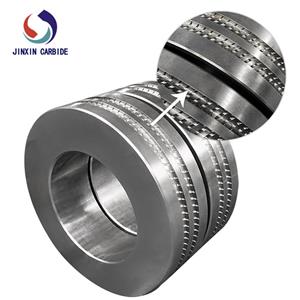 Carbide Roller Cemented Carbide Roll Rings/carbide Roller/tungsten
Tungsten carbide roller ring is a kind o
 Customizable Tungsten Jig Fishing Jig Lure
97% Tungsten high densityFast production
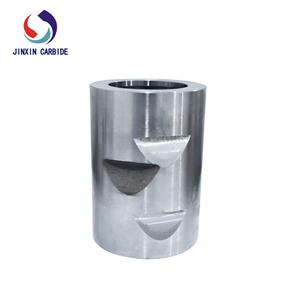 tungsten carbide forming die
Cemented Carbide Cold Heading Dies: Prec
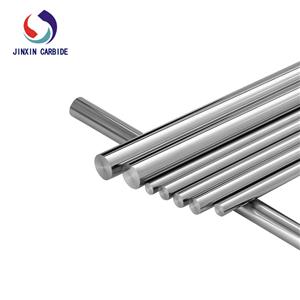 Carbide cutting tools grinding carbide/round carbide rods, Cermet metal rods
1. 100% virgin raw material2. High wear
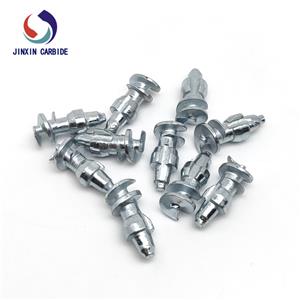 JX174 Removable Srew-in tire Studs Wheel Snow Carbide Spikes
Jinxin Studs are widely used in Northern
| WeChat/Phone : | +86 15573301853 |
|---|---|
| Fax : | +86-731-22332243 |
| Email : | jinxin012@ojinxin.com |