
Common Mistakes When Using Tungsten Carbide Burrs
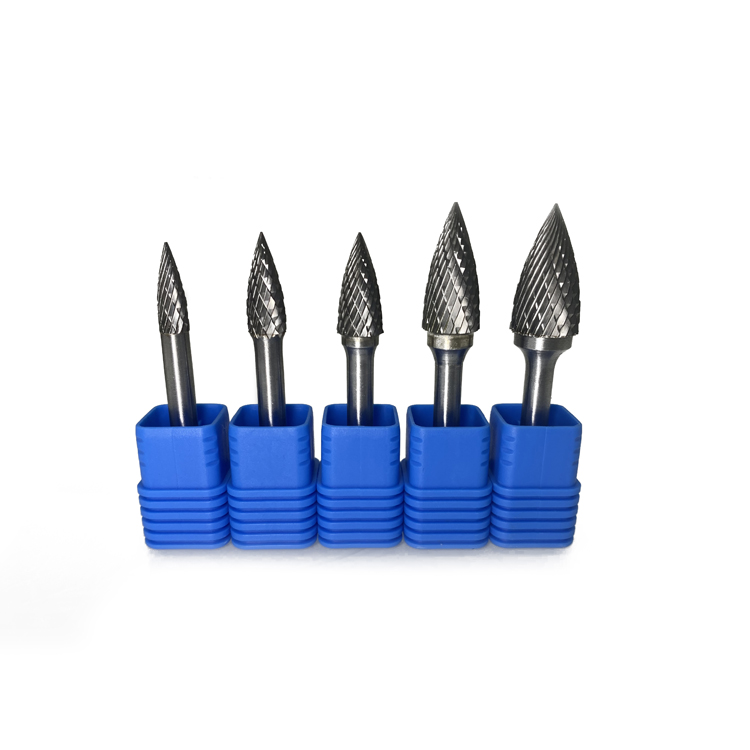
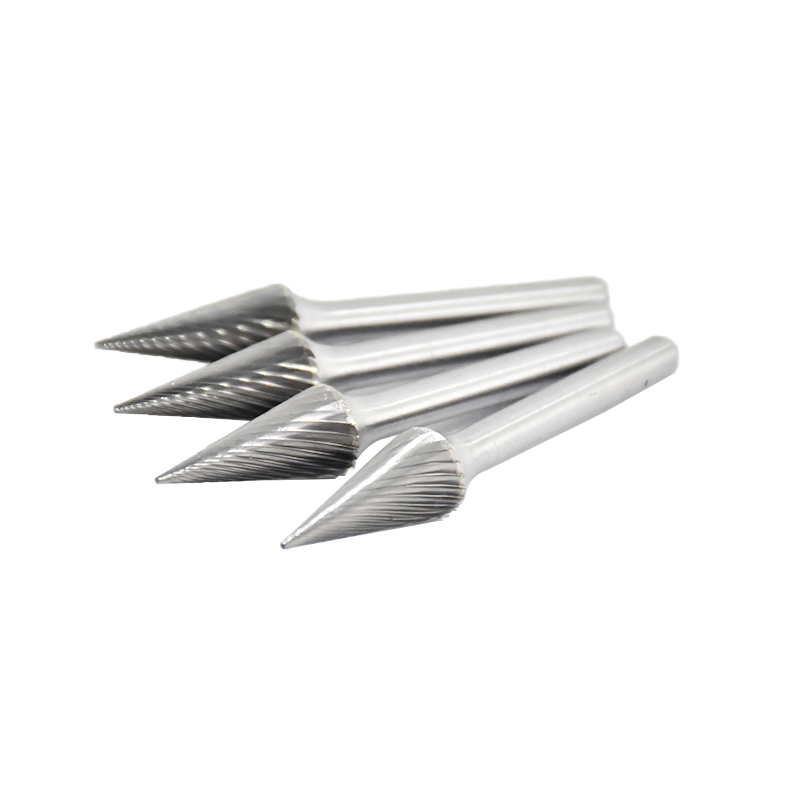
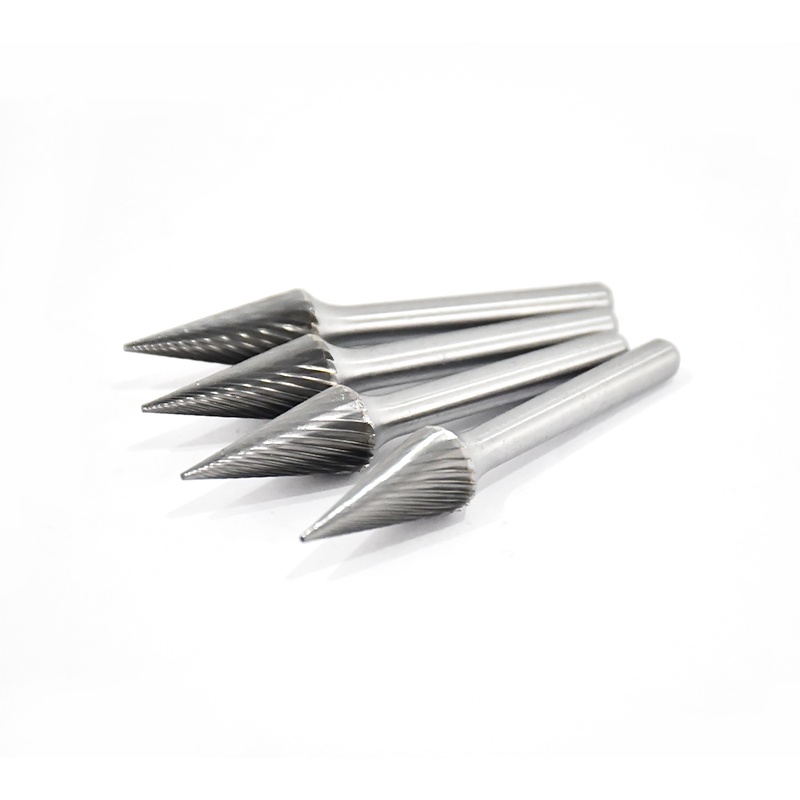
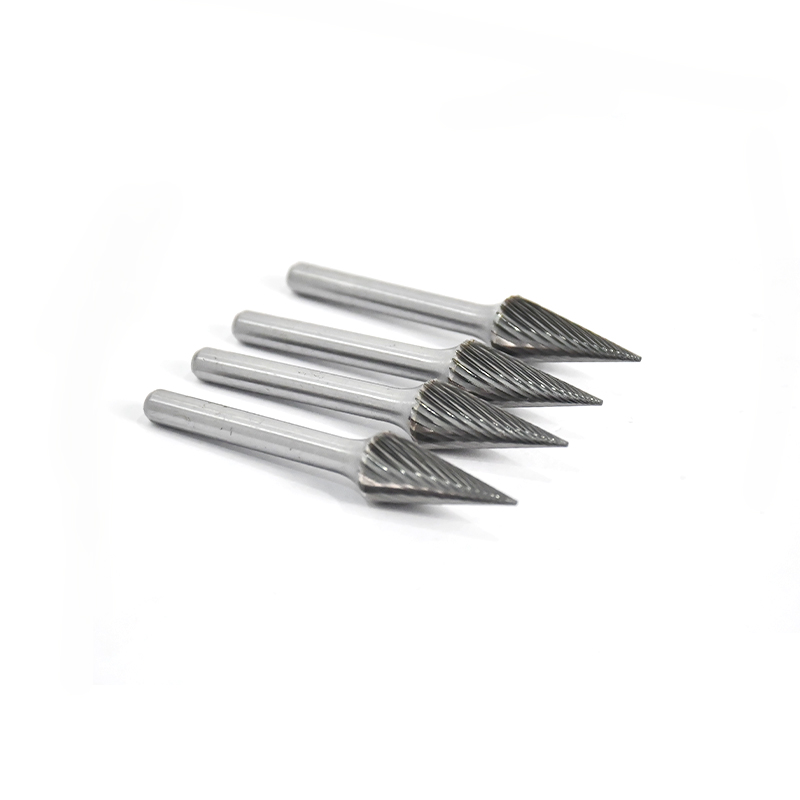
Tungsten carbide burrs are widely used in metalworking, welding, automotive repair, shipbuilding, aerospace, and many other industrial applications. They provide excellent cutting performance, high hardness, and long service life compared with traditional HSS tools.
However, many users still experience problems such as premature wear, tooth chipping, vibration, poor surface finish, or even burr breakage. In most cases, these issues are not caused by the carbide burr itself, but by incorrect usage.
In this article, we will discuss the most common mistakes when using tungsten carbide burrs and how to avoid them.
1. Using the Wrong Speed
One of the most common mistakes is operating the carbide burr at an incorrect RPM.
If the speed is too low:
Cutting efficiency decreases
Surface finish becomes rough
Tool vibration increases
Chips may clog the flutes
If the speed is too high:
Excessive heat may occur
Tooth edges can wear faster
The burr may become unstable
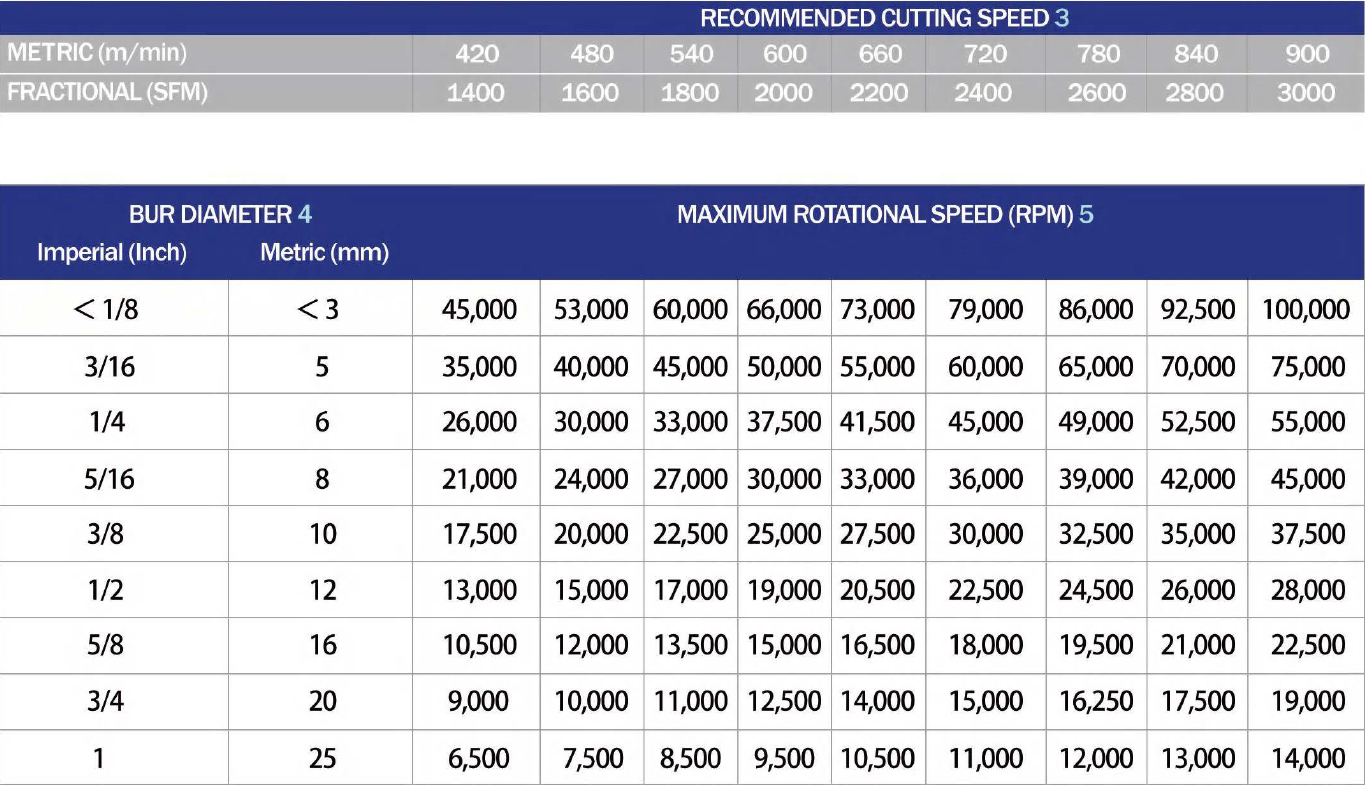
Different burr sizes require different rotational speeds. Smaller burrs generally need higher RPM, while larger burrs require lower RPM.
Always match the burr size with the recommended tool speed.
2. Applying Too Much Pressure
Many operators believe that pressing harder will improve cutting speed. In reality, excessive force often causes:
Tooth chipping
Premature wear
Tool overheating
Poor cutting control
Tungsten carbide is extremely hard, but it can also be brittle under improper stress.
Instead of forcing the tool, allow the carbide burr to cut naturally with moderate and consistent pressure.
3. Choosing the Wrong Burr Shape
Different burr shapes are designed for different applications.
For example:
Cylindrical burrs are suitable for flat surfaces
Ball shape burrs are ideal for curved areas
Tree shape burrs are commonly used for contour work
Flame shape burrs work well in narrow areas
Using the wrong shape reduces efficiency and may damage the workpiece surface.
Before selecting a burr, always consider:
Material type
Surface geometry
Grinding area
Required finish
4. Using the Wrong Tooth Cut
Another common mistake is selecting the wrong flute pattern.
Single Cut Burrs
Faster material removal
Larger chips
Suitable for steel and cast iron
Double Cut Burrs
Better operator control
Smoother finish
Reduced vibration
Popular for general applications
Aluminum Cut Burrs
Prevent chip loading
Specially designed for non-ferrous metals
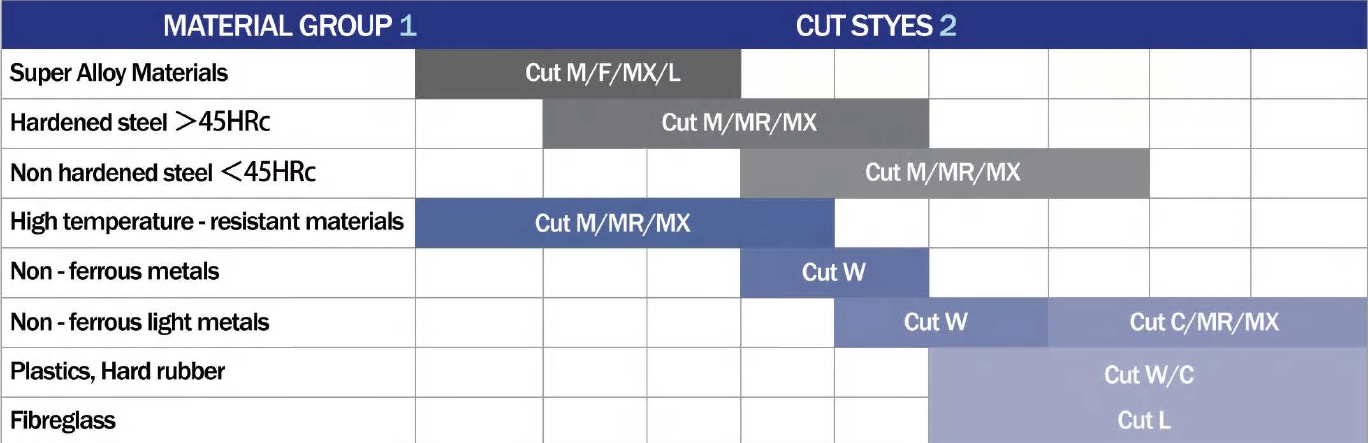
Using standard double cut burrs on aluminum may quickly cause chip buildup and reduce performance.
Always choose the correct cut style for the material being processed.
5. Ignoring Tool Runout and Vibration
Poor machine stability can seriously affect carbide burr life.
Common causes include:
Worn collets
Poor spindle accuracy
Improper clamping
Bent shanks
Excessive vibration may lead to:
Tooth breakage
Poor surface finish
Operator fatigue
Reduced precision
A stable machine setup is essential for achieving optimal carbide burr performance.
6. Using Carbide Burrs on the Wrong Materials
Although tungsten carbide burrs are highly versatile, not every burr grade is suitable for every material.
For example:
Harder grades are better for abrasive applications
Tougher grades perform better under impact conditions
Aluminum requires special flute geometry
Using an incorrect carbide grade may significantly shorten tool life.
Material selection should consider:
Hardness
Abrasiveness
Heat generation
Impact conditions
7. Lack of Proper Lubrication
When machining aluminum or other soft non-ferrous materials, chip loading is a frequent problem.
Applying suitable lubrication or wax can:
Reduce chip adhesion
Improve cutting smoothness
Extend tool life
Lower operating temperature
Dry cutting soft materials often causes rapid flute clogging.
8. Using Worn-Out Burrs for Too Long
Some users continue using carbide burrs even after noticeable wear appears.
A worn burr may cause:
Increased heat
Poor cutting efficiency
Rough surface finish
Higher machine load
Replacing worn burrs at the right time improves both productivity and overall machining quality.
9. Improper Storage and Handling
Although tungsten carbide is extremely hard, it can still be damaged by impact.
Common storage mistakes include:
Throwing burrs together in a toolbox
Allowing burr heads to collide
Improper transportation
This may cause micro-chipping on cutting edges before the tool is even used.
Carbide burrs should always be stored separately in protective packaging.
 Industrial Tungsten Carbide Snow Plow Cutting Edge for Heavy Equipment
The carbide snow cutting edge is designe
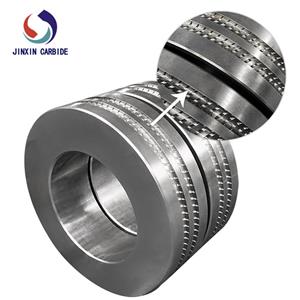 Carbide Roller Cemented Carbide Roll Rings/carbide Roller/tungsten
Tungsten carbide roller ring is a kind o
 Customizable Tungsten Jig Fishing Jig Lure
97% Tungsten high densityFast production
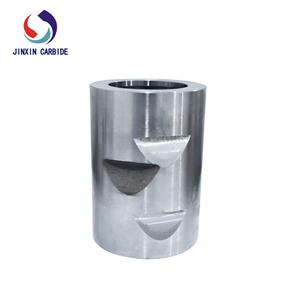 tungsten carbide forming die
Cemented Carbide Cold Heading Dies: Prec
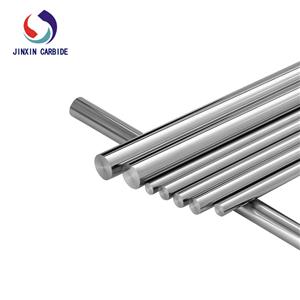 Carbide cutting tools grinding carbide/round carbide rods, Cermet metal rods
1. 100% virgin raw material2. High wear
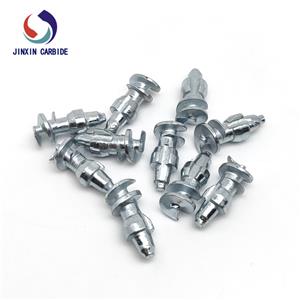 JX174 Removable Srew-in tire Studs Wheel Snow Carbide Spikes
Jinxin Studs are widely used in Northern
| WeChat/Phone : | +86 15573301853 |
|---|---|
| Fax : | +86-731-22332243 |
| Email : | jinxin012@ojinxin.com |