
Essential Care Tips: Extend the Lifespan of Your Fish Sinkers
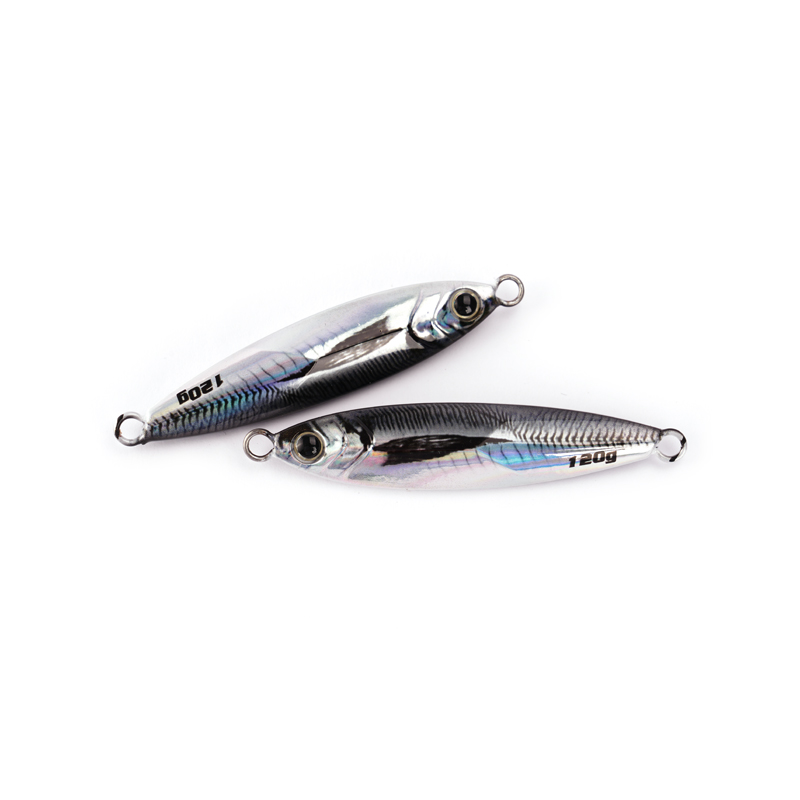
Our fish sinkers are precision-engineered to endure the demanding and often unforgiving environment of fishing, standing strong against saltwater corrosion, constant submersion, repeated impacts with rocky bottoms, underwater debris, and the daily wear and tear of recreational and competitive angling.
Constructed with durable materials and protective coatings, they are designed to deliver consistent weight, balance, and performance cast after cast. However, even the most rugged fishing sinkers cannot maintain their peak condition without intentional and regular care. Proper maintenance is the cornerstone of maximizing their lifespan, preserving their structural integrity, and ensuring they perform reliably whenever you head out on the water.
Regrettably, many anglers treat sinkers as disposable or low-priority gear, paying little attention to their upkeep between fishing trips. This oversight frequently leads to preventable issues: premature rust and corrosion that eats away at the metal, deformation from improper handling or storage, chipped or worn protective coatings, and a noticeable drop in overall effectiveness. Damaged sinkers can disrupt casting accuracy, fail to hold the bottom securely, damage fishing lines, or even break apart underwater, resulting in lost gear, interrupted fishing time, and unnecessary replacement costs. To help anglers fully protect their investment and get the longest, most dependable service from our high-performance fish sinkers, we have compiled a comprehensive guide of expert care and maintenance practices tailored specifically to their design, materials, and real-world usage.
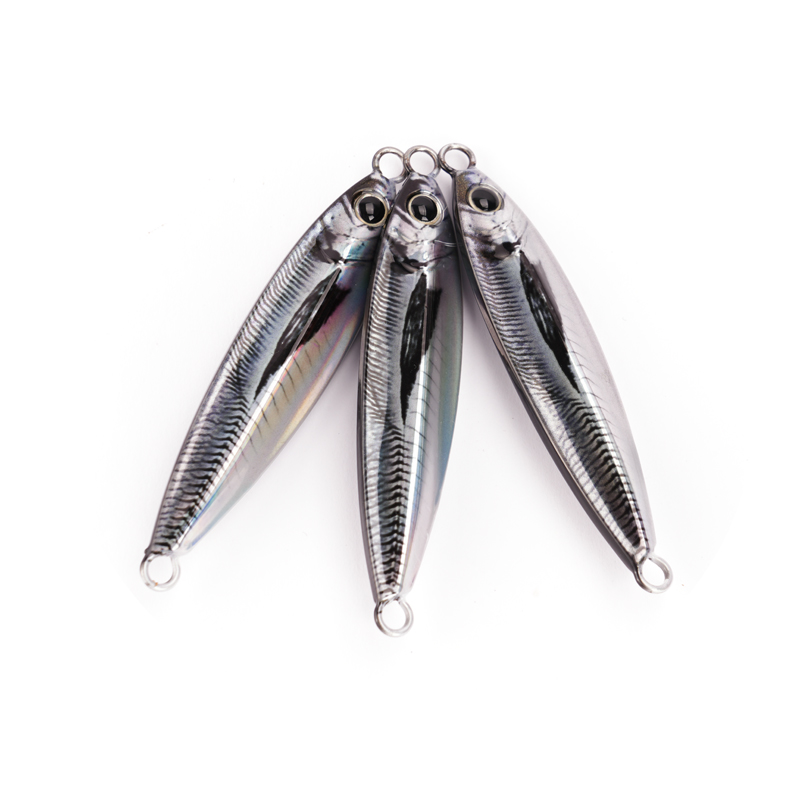
First and foremost, post-fishing cleaning is an indispensable step that should never be skipped, regardless of whether you fish in freshwater lakes, rivers, or saltwater bays and oceans. Saltwater is particularly harsh, as dissolved salt and minerals leave behind corrosive residues that slowly break down metal surfaces and compromise protective coatings—even those specifically formulated for anti-corrosion performance.
Immediately after each fishing trip, take the time to rinse your sinkers thoroughly with clean, fresh water to wash away salt, sand, mud, algae, and other contaminants. For heavily soiled sinkers, a gentle soak in lukewarm water can help loosen stubborn debris without causing damage.
After rinsing, use a soft, lint-free cloth to dry each sinker completely. Moisture trapped in crevices or along edges is a primary cause of rust and oxidation over time, so thorough drying is just as important as rinsing. It is critical to avoid using harsh chemicals, stiff brushes, scouring pads, or abrasive cleaners on your sinkers. These products can scratch, strip, or weaken the protective coating, leaving the base material exposed to corrosion and impact damage. Stick to mild, gear-safe cleaning methods to preserve the finish and structural strength of your sinkers for years to come.
Equally vital to long-term durability is proper storage, which shields sinkers from environmental damage and physical harm when not in use. Always store your sinkers in a cool, dry, airtight container to prevent moisture buildup, humidity, and condensation—common culprits behind rust and corrosion. A well-designed tackle box with foam inserts or divided compartments is ideal, as it not only keeps moisture out but also prevents sinkers from shifting, rubbing, or clashing against one another during transport.
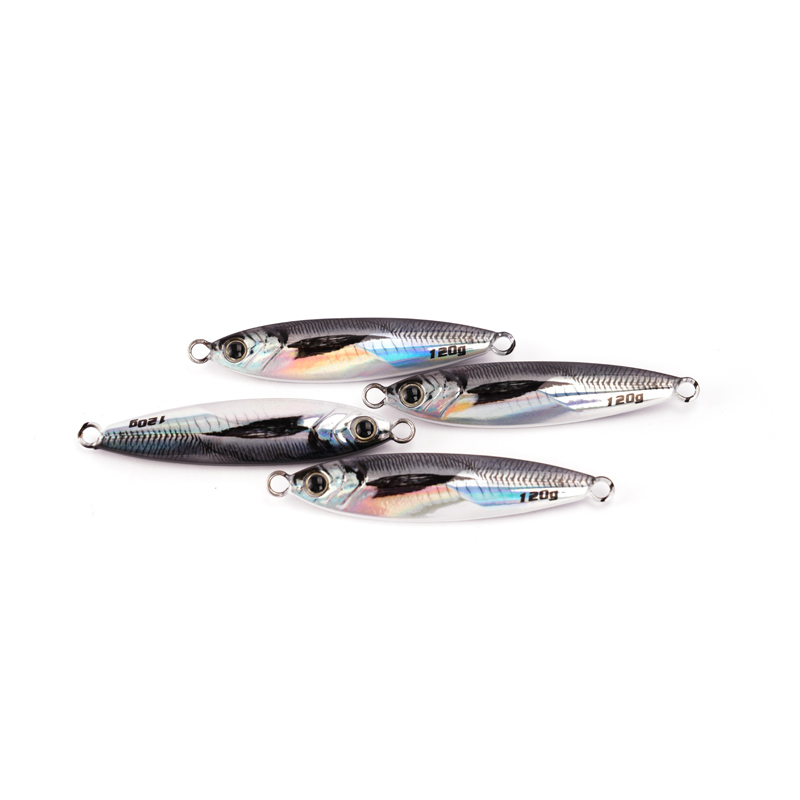
Different weights, shapes, and styles of sinkers should be stored separately to avoid scratches, dents, and deformation. Bullet sinkers, egg sinkers, pyramid sinkers, and bank sinkers each have unique contours that can damage one another when piled loosely together. Special attention should be paid to split shot sinkers, which are lightweight and easily malleable. Avoid bending, pinching too forcefully, or over-tightening split shots around fishing line, as this can cause permanent deformation, reduce their gripping ability, and lead to line slippage during casts or retrieves. By organizing your sinkers thoughtfully, you minimize physical damage and ensure they remain ready for instant use.
Regular inspection is another key component of effective sinker maintenance. Set aside a small amount of time to examine your sinkers for signs of wear, degradation, or structural damage before and after each fishing season, or even after particularly rough outings. Look for early signs of rust or corrosion, small cracks, chips in the coating, bent edges, or misshapen surfaces. Even minor damage can escalate quickly under fishing conditions, affecting performance and safety. If a sinker shows significant wear or structural compromise, replace it promptly rather than continuing to use compromised gear. This proactive approach prevents unexpected failures on the water and maintains the overall efficiency of your fishing setup.
In summary, caring for our high-performance fish sinkers is a simple yet impactful routine that delivers substantial long-term benefits. By committing to thorough post-fishing cleaning, proper drying, protective storage, and regular inspections, anglers can drastically extend the lifespan of their sinkers, maintain consistent casting and bottom-holding performance, and avoid the frustration and expense of frequent replacements. Our fish sinkers are built to handle the toughest fishing conditions, and with responsible care, they will remain reliable companions on every fishing adventure, season after season, helping you focus on the thrill of fishing rather than the hassle of damaged or ineffective gear.
 Industrial Tungsten Carbide Snow Plow Cutting Edge for Heavy Equipment
The carbide snow cutting edge is designe
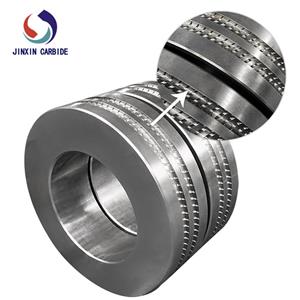 Carbide Roller Cemented Carbide Roll Rings/carbide Roller/tungsten
Tungsten carbide roller ring is a kind o
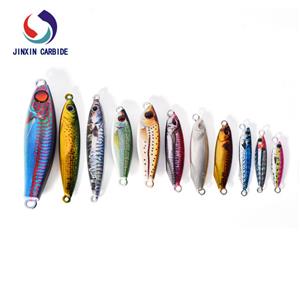 Customizable Tungsten Jig Fishing Jig Lure
97% Tungsten high densityFast production
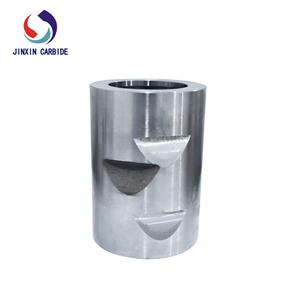 tungsten carbide forming die
Cemented Carbide Cold Heading Dies: Prec
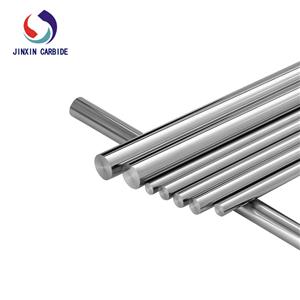 Carbide cutting tools grinding carbide/round carbide rods, Cermet metal rods
1. 100% virgin raw material2. High wear
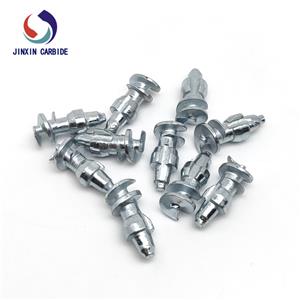 JX174 Removable Srew-in tire Studs Wheel Snow Carbide Spikes
Jinxin Studs are widely used in Northern
| WeChat/Phone : | +86 15573301853 |
|---|---|
| Fax : | +86-731-22332243 |
| Email : | jinxin012@ojinxin.com |