
Expert Analysis: Why Ultrafine Tungsten Carbide Rods Are Critical for Next-Generation Medical and PCB Manufacturing
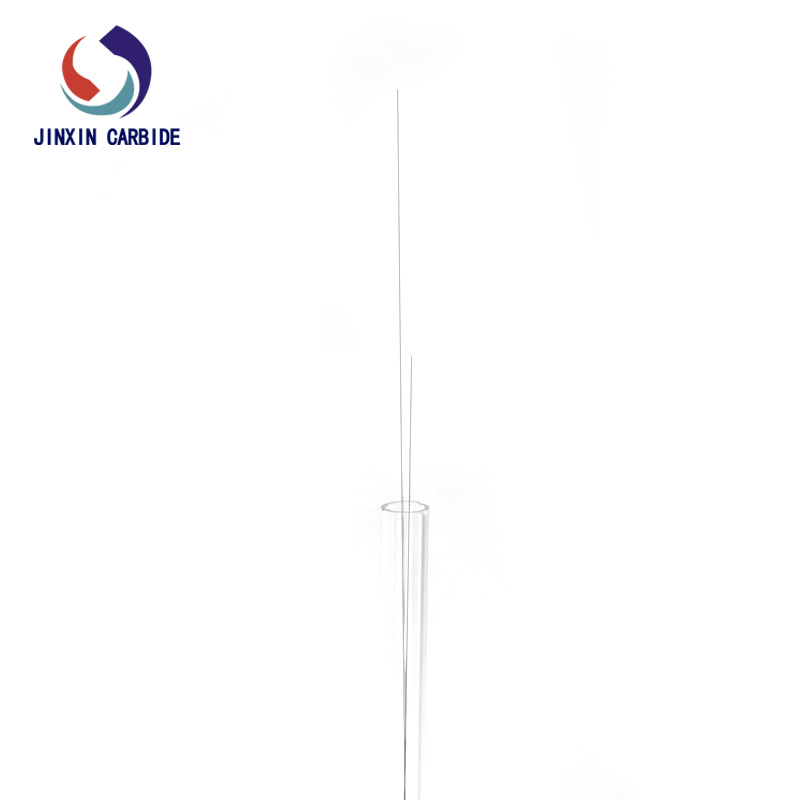
Introduction: The Shift Toward Micro-Precision Manufacturing
Over the past decade, manufacturing in sectors such as medical devices and printed circuit boards (PCB) has undergone a significant transformation. Products are becoming smaller, more complex, and more performance-driven. As a result, the materials used to manufacture cutting tools must evolve accordingly.
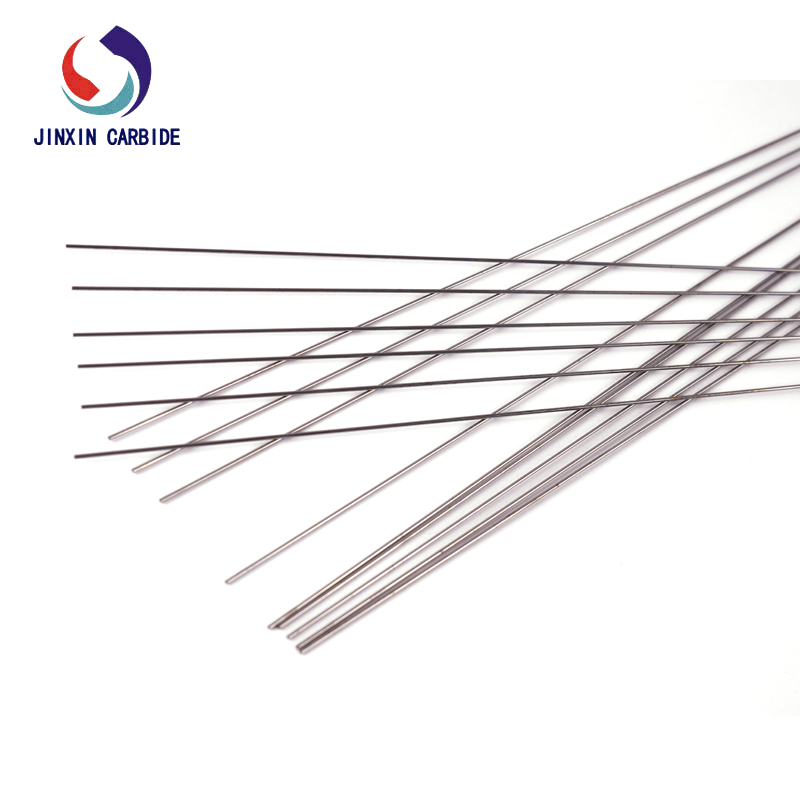
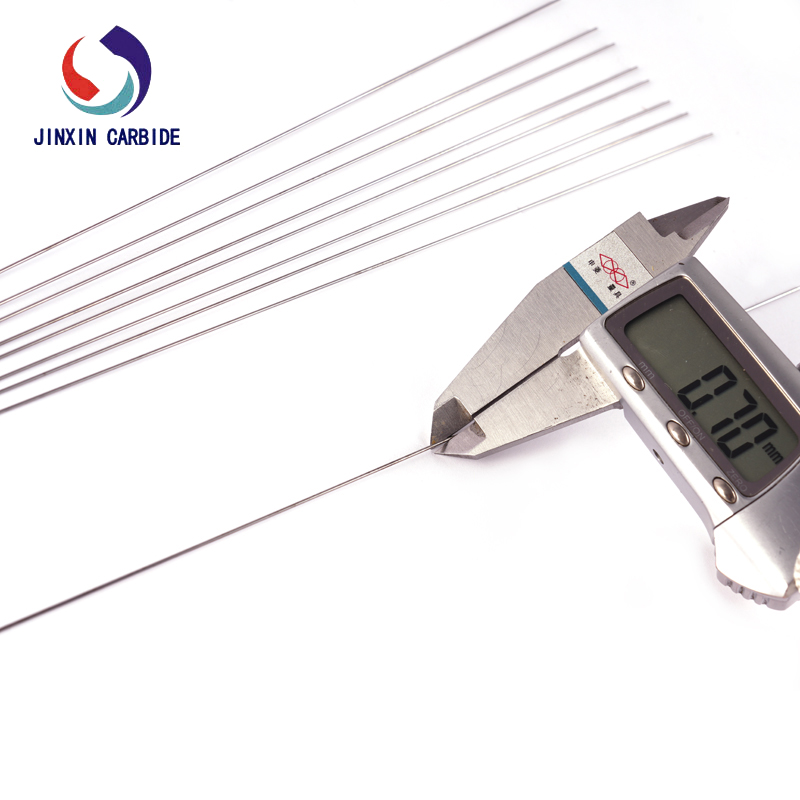
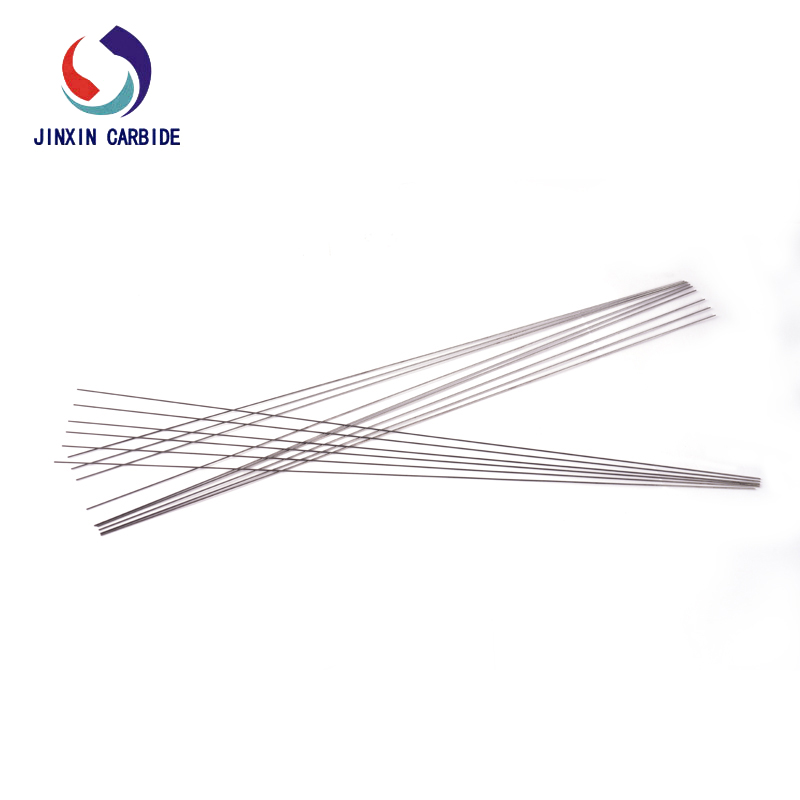
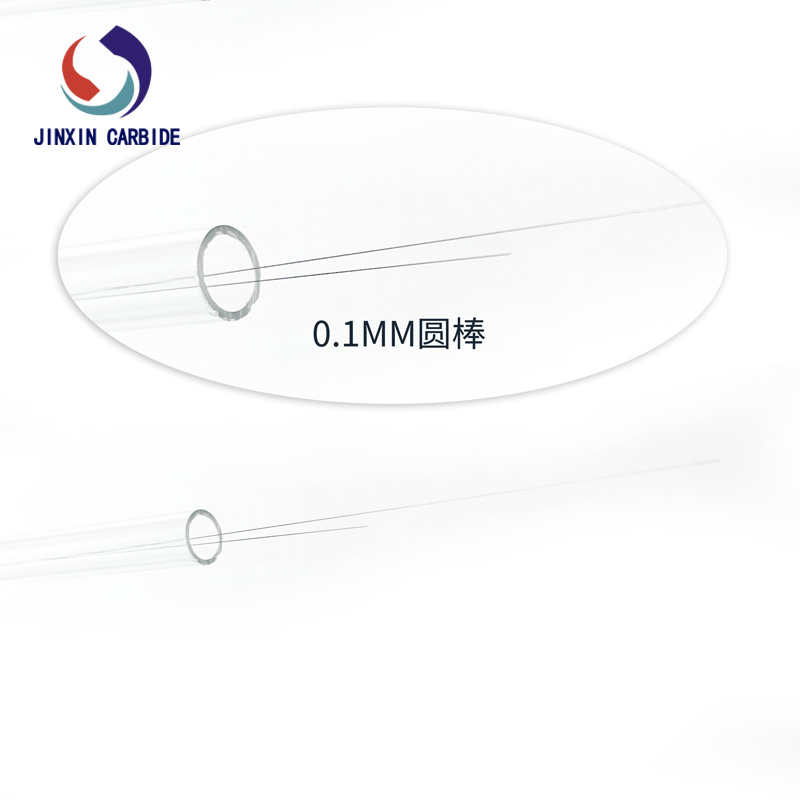
Ultrafine tungsten carbide rods have emerged as a key enabling material in this transition. Unlike conventional carbide grades, ultrafine carbide offers a unique balance of hardness, toughness, and microstructural stability—making it particularly suitable for micro-scale machining.
This article provides a technical perspective on why ultrafine carbide rods are increasingly being adopted by manufacturers in the United States, especially in high-precision industries.
Understanding Ultrafine Carbide: Microstructure Matters
At the core of carbide performance lies its microstructure. Ultrafine tungsten carbide rods are characterized by:
Submicron grain size (typically <1 μm)
Uniform distribution of tungsten carbide (WC) particles
Optimized cobalt (Co) binder phase
This refined structure leads to several critical improvements:
1. Increased Hardness with Controlled Toughness
Smaller grain sizes increase hardness, which enhances wear resistance. At the same time, proper binder control maintains sufficient toughness, reducing the risk of brittle fracture.
2. Improved Edge Stability
For micro cutting tools, edge sharpness is essential. Ultrafine carbide allows for sharper cutting edges with reduced chipping during operation.
3. Enhanced Fatigue Resistance
In high-speed machining environments, tools are subjected to repeated stress cycles. A uniform microstructure improves resistance to fatigue failure.
Application Analysis: PCB Micro Drilling
Challenges in Modern PCB Manufacturing
The PCB industry, particularly in HDI (High-Density Interconnect) production, presents unique challenges:
Hole diameters continuously decreasing (often below 0.2 mm)
Increasing spindle speeds (up to hundreds of thousands RPM)
High-volume production with minimal tolerance for defects
Under these conditions, tool material performance becomes a limiting factor.
Why Ultrafine Carbide Is Preferred
Ultrafine tungsten carbide rods provide the following advantages in PCB applications:
Dimensional stability at micro scale
High wear resistance under abrasive conditions
Reduced tool breakage at high rotational speeds
From a production standpoint, these benefits translate into:
Higher yield rates
Reduced downtime
Improved consistency in hole quality
Application Analysis: Medical Device Manufacturing
Material Requirements in Medical Tools
Medical tools, such as dental burs and surgical cutters, require:
Extremely tight tolerances
Smooth surface finishes
Reliable and repeatable performance
Additionally, manufacturers must ensure consistency across production batches to meet regulatory expectations.
Role of Ultrafine Carbide
Ultrafine carbide rods support medical manufacturing by providing:
Stable machining behavior
High precision capability for complex geometries
Reduced variability between tools
This consistency is particularly valuable in applications where even minor deviations can impact performance or compliance.
The Importance of Consistency in U.S. Manufacturing
One of the defining characteristics of U.S.-based manufacturers is their emphasis on process stability and repeatability. While initial performance is important, long-term consistency is often the deciding factor when selecting a material supplier.
Key expectations include:
Batch-to-batch uniformity
Predictable machining performance
Reliable supply over time
Ultrafine carbide rods, when produced under controlled conditions, are well-suited to meet these expectations.
Evaluating Total Cost of Ownership (TCO)
A common misconception is that higher-grade materials always lead to higher costs. However, experienced manufacturers evaluate materials based on total cost of ownership rather than unit price.
When using ultrafine carbide rods, several cost-saving factors should be considered:
Extended tool life reduces replacement frequency
Lower failure rates minimize production interruptions
Improved machining efficiency increases throughput
Reduced scrap rates improve overall yield
From this perspective, ultrafine carbide often represents a more economical choice in the long term.
Manufacturing Considerations: What Makes a Reliable Supplier
Not all ultrafine carbide rods are equal. Performance depends heavily on manufacturing quality. Key factors include:
1. Powder Quality
High-purity raw materials are essential for achieving consistent microstructure.
2. Sintering Technology
Advanced processes such as HIP (Hot Isostatic Pressing) improve density and eliminate internal defects.
3. Precision Grinding
Final dimensional accuracy depends on high-quality grinding processes.
4. Quality Control Systems
Comprehensive inspection ensures that each batch meets required specifications.
Future Trends: Miniaturization and Material Innovation
Looking ahead, several trends will continue to drive demand for ultrafine carbide rods:
Further miniaturization of electronic components
Growth in minimally invasive medical technologies
Increasing use of automation in manufacturing
These developments will place even greater emphasis on material performance, consistency, and precision.
Conclusion: A Strategic Material Choice
Ultrafine tungsten carbide rods are no longer a niche material—they are becoming a strategic choice for manufacturers operating at the cutting edge of precision engineering.
For companies in the United States, adopting high-performance materials is essential to maintaining competitiveness in global markets. Ultrafine carbide rods offer a proven solution for improving tool performance, enhancing production efficiency, and ensuring consistent quality.
About Us
We specialize in the production of ultrafine tungsten carbide rods for precision applications, with a strong focus on medical and PCB industries. Our goal is to support our customers with reliable materials, consistent quality, and responsive service.
Contact Our Technical Team
If you are evaluating materials for micro tool manufacturing, we welcome the opportunity to discuss your requirements.
👉 Share your application details
👉 Receive expert recommendations within 24 hours
👉 Support for sampling and small-batch testing available
Final Insight
In precision manufacturing, material choice is not just a technical decision—it is a strategic one.
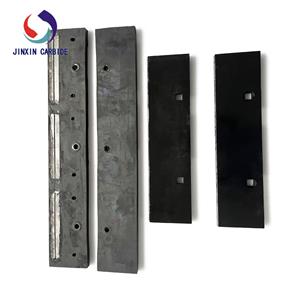 Industrial Tungsten Carbide Snow Plow Cutting Edge for Heavy Equipment
The carbide snow cutting edge is designe
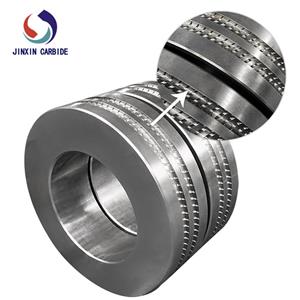 Carbide Roller Cemented Carbide Roll Rings/carbide Roller/tungsten
Tungsten carbide roller ring is a kind o
 Customizable Tungsten Jig Fishing Jig Lure
97% Tungsten high densityFast production
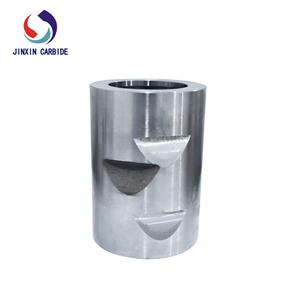 tungsten carbide forming die
Cemented Carbide Cold Heading Dies: Prec
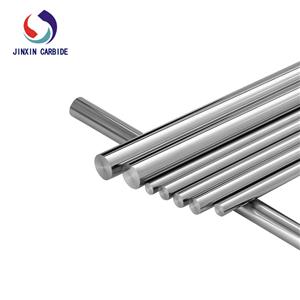 Carbide cutting tools grinding carbide/round carbide rods, Cermet metal rods
1. 100% virgin raw material2. High wear
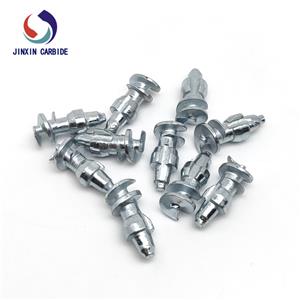 JX174 Removable Srew-in tire Studs Wheel Snow Carbide Spikes
Jinxin Studs are widely used in Northern
| WeChat/Phone : | +86 15573301853 |
|---|---|
| Fax : | +86-731-22332243 |
| Email : | jinxin012@ojinxin.com |