
Global Tungsten Carbide Market Shifts Toward Sustainable Sourcing: Recycled Materials Gain Momentum
Introduction
As global manufacturing continues to evolve, the tungsten carbide industry is undergoing a significant transformation. Increasing pressure on raw material supply, rising costs, and stricter environmental regulations are pushing manufacturers to rethink their sourcing strategies. One of the most notable trends is the growing adoption of recycled carbide materials as a viable alternative to traditional virgin resources.
Rising Raw Material Costs Drive Change
Tungsten, a key component in carbide production, is a limited and strategically important resource. In recent years, fluctuations in mining output and global demand have led to noticeable price volatility.
For manufacturers and buyers, this creates uncertainty in procurement planning. As a result, more companies are turning to recycled carbide to stabilize costs and reduce dependence on primary raw materials.
Sustainability Becomes a Key Decision Factor
Environmental responsibility is no longer optional—it is becoming a core requirement across industries such as automotive, aerospace, and energy.
Recycled carbide offers clear advantages:
Reduces reliance on mining activities
Lowers environmental impact
Supports circular economy initiatives
Helps companies meet ESG (Environmental, Social, Governance) goals
Many international buyers now actively prefer suppliers who can provide sustainable material solutions.
Technology Improves Recycled Carbide Quality
Historically, recycled carbide was considered less reliable due to inconsistencies in composition and performance. However, advancements in recycling technology have significantly improved quality control.
Modern chemical recycling processes can:
Recover high-purity tungsten and cobalt
Maintain stable grain structures
Deliver performance close to virgin materials in many applications
This progress is accelerating the acceptance of recycled carbide in broader industrial use.
Balanced Sourcing Strategy Becomes Industry Standard
Rather than choosing between virgin and recycled materials, many companies are adopting a hybrid sourcing strategy.
Common Industry Practice:
Use virgin carbide for high-precision, high-performance applications
Use recycled carbide for general-purpose or high-volume components
This approach allows manufacturers to:
Control costs
Maintain product quality
Improve supply chain resilience
Opportunities for Global Buyers
For international buyers, especially in cost-sensitive markets, this shift presents new opportunities:
Access to more competitive pricing
Greater flexibility in product specifications
إمكانية اختيار حلول مخصصة حسب الاستخدام (customized solutions based on application)
Suppliers who can offer both virgin and recycled options are increasingly preferred in the global market.
Conclusion
The tungsten carbide industry is moving toward a more sustainable and flexible future. Recycled materials are no longer just a low-cost alternative—they are becoming a strategic resource.
As technology continues to advance and environmental awareness grows, companies that embrace balanced material sourcing will be better positioned to compete in the global market.
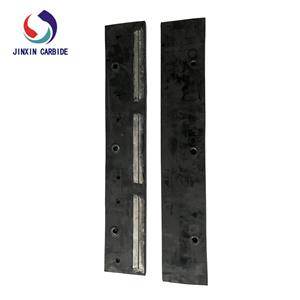 Industrial Tungsten Carbide Snow Plow Cutting Edge for Heavy Equipment
The carbide snow cutting edge is designe
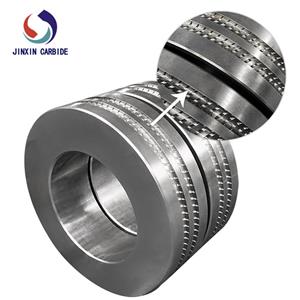 Carbide Roller Cemented Carbide Roll Rings/carbide Roller/tungsten
Tungsten carbide roller ring is a kind o
 Customizable Tungsten Jig Fishing Jig Lure
97% Tungsten high densityFast production
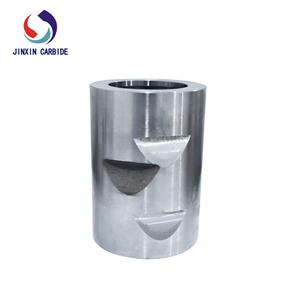 tungsten carbide forming die
Cemented Carbide Cold Heading Dies: Prec
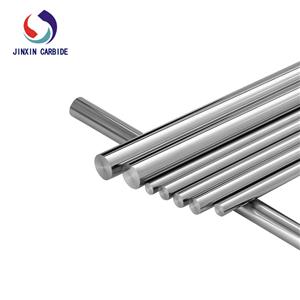 Carbide cutting tools grinding carbide/round carbide rods, Cermet metal rods
1. 100% virgin raw material2. High wear
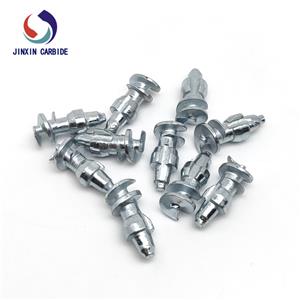 JX174 Removable Srew-in tire Studs Wheel Snow Carbide Spikes
Jinxin Studs are widely used in Northern
| WeChat/Phone : | +86 15573301853 |
|---|---|
| Fax : | +86-731-22332243 |
| Email : | jinxin012@ojinxin.com |