
Performance Parameters That Define Snow Plow Blade Efficiency
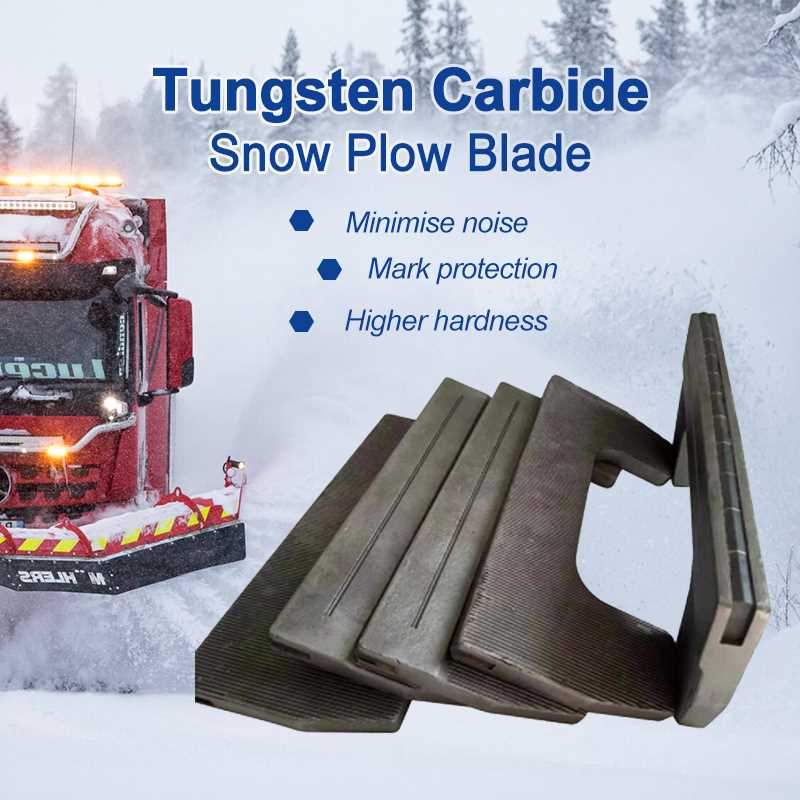
The operational efficiency of a snow plow blade is not determined solely by its size or material type. In real-world snow removal operations, performance is the result of a combination of structural design, operating conditions, vehicle configuration, and environmental factors. Whether using steel snow plow cutting edges, a carbide snow plow cutting edge, or full carbide plow blades, understanding these performance parameters helps fleet managers, contractors, and procurement teams evaluate equipment more scientifically rather than making decisions based only on initial cost.
Operating Speed and Stability
Operating speed has a direct influence on blade stability and wear rate. Most finished snow plow blades—including heavy-duty steel snow plow cutting edges and reinforced carbide snow plow cutting edge systems—are designed to operate efficiently within a speed range of 20–50 km/h for road maintenance applications.
Within this range, the blade maintains stable contact with the road surface, allowing snow to roll along the blade curvature and discharge smoothly to the side. This applies to both standard plow cutting edge snow systems and advanced carbide plow edges used in high-abrasion environments.
When plowing speed exceeds recommended limits, impact forces increase significantly upon encountering uneven pavement, compacted snow ridges, or hidden obstacles. This accelerates wear on snow plow cutting edges and increases mechanical stress on mounting brackets and vehicle suspension components. Maintaining controlled operating speeds improves blade lifespan and reduces unplanned downtime during peak snow events.
Impact Resistance and Structural Reliability
During operation, blades frequently strike manhole covers, curb edges, road joints, or frozen debris concealed beneath snow layers. Whether using conventional steel edges or carbide plow blades, impact resistance is a critical performance parameter.
Modern finished blades are designed with reinforced mounting zones and optimized structural profiles to distribute impact loads evenly. For example:
Steel snow plow cutting edges provide strong structural rigidity.
Carbide snow plow cutting edge systems improve wear resistance while maintaining edge integrity.
Carbide plow edges offer extended service life in high-impact municipal applications.
Proper structural reliability reduces the risk of cracking, deformation, or sudden blade failure—events that can interrupt operations and significantly increase repair costs during critical snow removal periods.
Temperature Adaptability in Cold Environments
Snow removal operations often occur in sustained sub-zero temperatures. Material performance can change significantly under extreme cold conditions.
Temperature adaptability refers to the blade’s ability—whether a standard plow blade cutting edge or a reinforced carbide for snow plow solution—to maintain stable mechanical properties without becoming excessively brittle or overly rigid.
Cold-induced brittleness can compromise impact resistance, while excessive stiffness may reduce surface conformity. High-quality snow plow cutting edges are engineered to maintain consistent flexibility and strength across temperature variations, ensuring predictable cutting performance and reducing the risk of sudden degradation during extreme winter events.
Snow Rolling and Discharge Behavior
Efficient snow rolling is essential for minimizing pushing resistance and optimizing fuel efficiency. Blade curvature, height, and cutting edge design all influence how snow accumulates and discharges during operation.
A well-designed snow plow blade allows snow to roll upward and discharge laterally rather than being pushed forward. This principle applies across:
Standard steel cutting systems
High-durability carbide snow plow cutting edge designs
Full-width carbide plow blades used in heavy snowfall regions
In areas with high snow volume, effective rolling and discharge behavior prevents snow buildup in front of the blade, which can otherwise reduce vehicle traction, increase fuel consumption, and raise operator workload.
Wear Life and Long-Term Cost Control
Beyond initial purchase price, wear life significantly affects total operational cost. While traditional steel snow plow cutting edges offer lower upfront investment, carbide plow edges and carbide snow plow cutting edge systems often provide longer service intervals in abrasive conditions.
Selecting the appropriate blade configuration based on road surface type, snowfall frequency, and fleet operating speed leads to:
Reduced replacement frequency
Lower maintenance downtime
Improved operational predictability
Better long-term cost efficiency
Conclusion
Evaluating a snow plow blade requires more than comparing material types. Performance parameters such as:
Operating speed compatibility
Impact resistance
Temperature adaptability
Snow rolling efficiency
Wear life of snow plow cutting edges
all contribute to reliable field performance.
Whether selecting steel snow plow cutting edges for general applications or investing in carbide plow blades for high-abrasion environments, aligning blade specifications with operational conditions ensures improved efficiency, equipment protection, and long-term cost control.
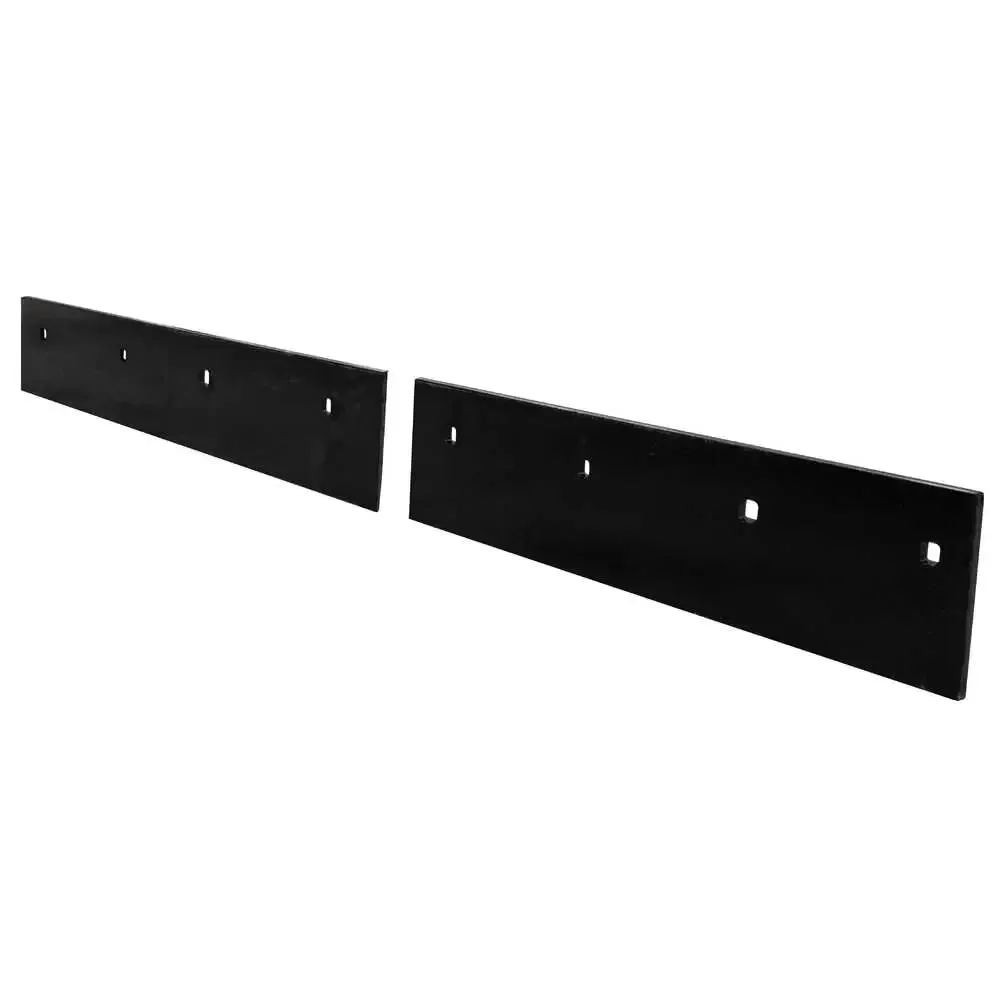
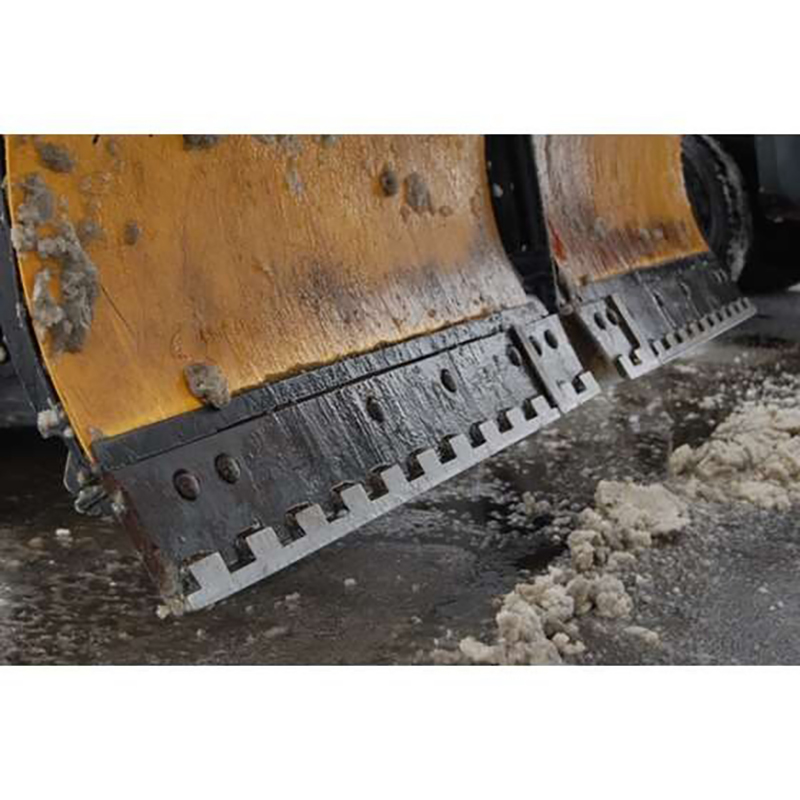
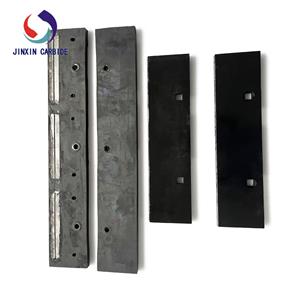 Industrial Tungsten Carbide Snow Plow Cutting Edge for Heavy Equipment
The carbide snow cutting edge is designe
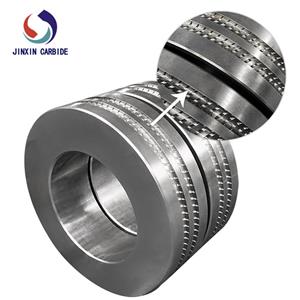 Carbide Roller Cemented Carbide Roll Rings/carbide Roller/tungsten
Tungsten carbide roller ring is a kind o
 Customizable Tungsten Jig Fishing Jig Lure
97% Tungsten high densityFast production
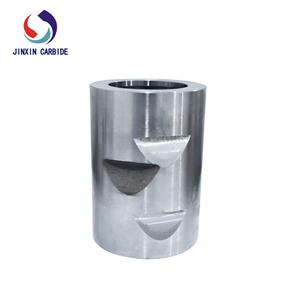 tungsten carbide forming die
Cemented Carbide Cold Heading Dies: Prec
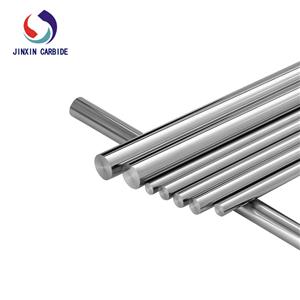 Carbide cutting tools grinding carbide/round carbide rods, Cermet metal rods
1. 100% virgin raw material2. High wear
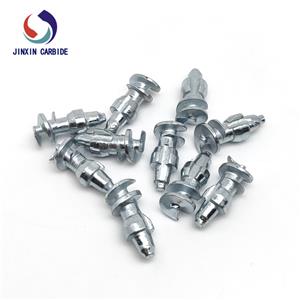 JX174 Removable Srew-in tire Studs Wheel Snow Carbide Spikes
Jinxin Studs are widely used in Northern
| WeChat/Phone : | +86 15573301853 |
|---|---|
| Fax : | +86-731-22332243 |
| Email : | jinxin012@ojinxin.com |