Poly vs Steel Snow Plow Blades: Performance Differences in Real-World Snow Removal
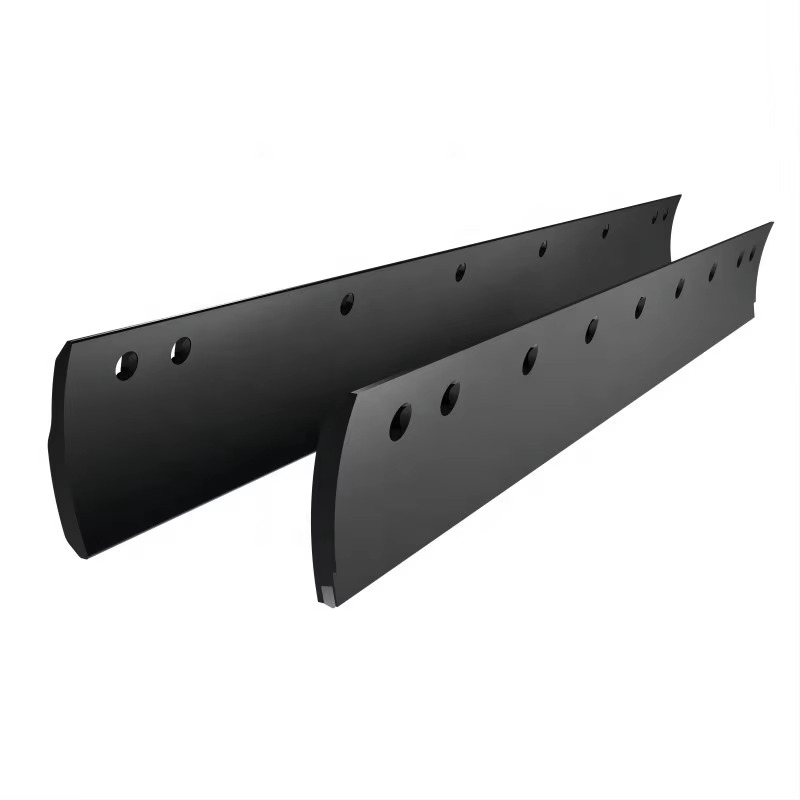
Material selection plays a critical role in determining how a snow plow blade performs in various operational environments. While blade geometry and mounting design matter, the finished blade material—primarily steel or polyethylene (poly)—has a direct impact on scraping efficiency, durability, surface protection, and operator experience. Understanding the practical differences between these two materials helps fleet managers and contractors align equipment choice with job requirements.
1. Cutting and Scraping Performance
Steel Blades
Steel snow plow blades are known for their high rigidity and structural strength. Their minimal flex allows them to maintain consistent edge pressure against the pavement, delivering strong scraping force. This makes steel particularly effective for:
Compacted snow
Ice-packed roadways
High-density frozen accumulation
Municipal road clearing operations
Steel’s rigidity ensures maximum mechanical transfer of downforce from the plow assembly to the ground surface. When paired with proper cutting edges, steel blades can break through stubborn layers more efficiently than softer materials.
Poly Blades
Poly blades exhibit elastic properties that allow controlled flex under load. This flexibility enables the blade to conform to uneven pavement, improving contact consistency on:
Irregular surfaces
Paver stones
Older or patched asphalt
Decorative concrete
While poly blades may not provide the same aggressive cutting force as steel in heavy ice conditions, their ability to adapt to surface variations can result in more uniform snow removal in lighter to moderate accumulations.
2. Surface Protection and Pavement Interaction
Surface preservation is often a deciding factor in material selection.
Poly Blades
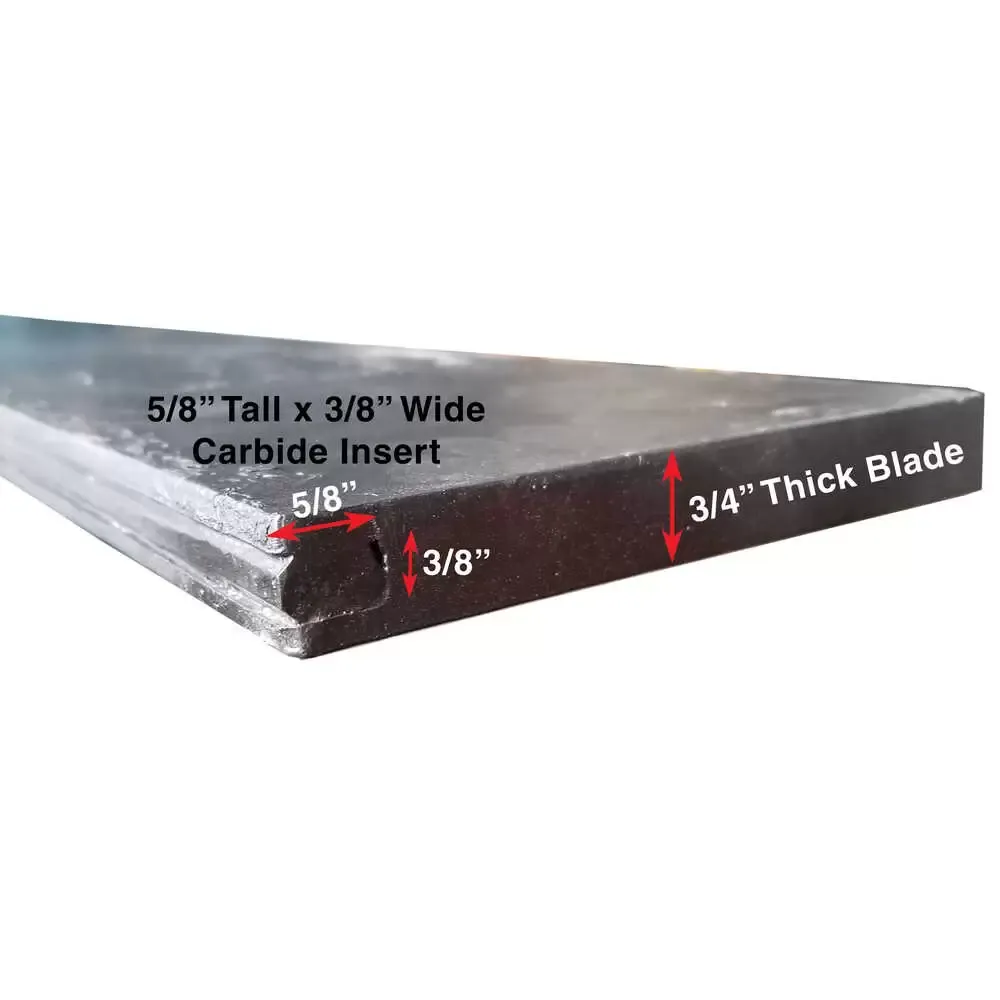
Polyethylene has a lower surface hardness compared to steel, which reduces the risk of scratching or gouging. This makes poly blades particularly suitable for:
Commercial parking lots
Decorative brick or stone pathways
Residential driveways
Newly installed asphalt surfaces
The reduced abrasion minimizes repair costs and preserves the aesthetic integrity of finished surfaces.
Steel Blades
Steel blades can cause surface abrasion, especially on softer or newly laid materials. On durable road-grade asphalt and concrete highways, this is typically not a concern. However, on specialty or decorative surfaces, steel’s aggressive scraping can accelerate wear over time.
3. Noise Levels and Operator Comfort
Operational noise and vibration are often overlooked but significantly affect productivity and operator fatigue.
Poly Blades
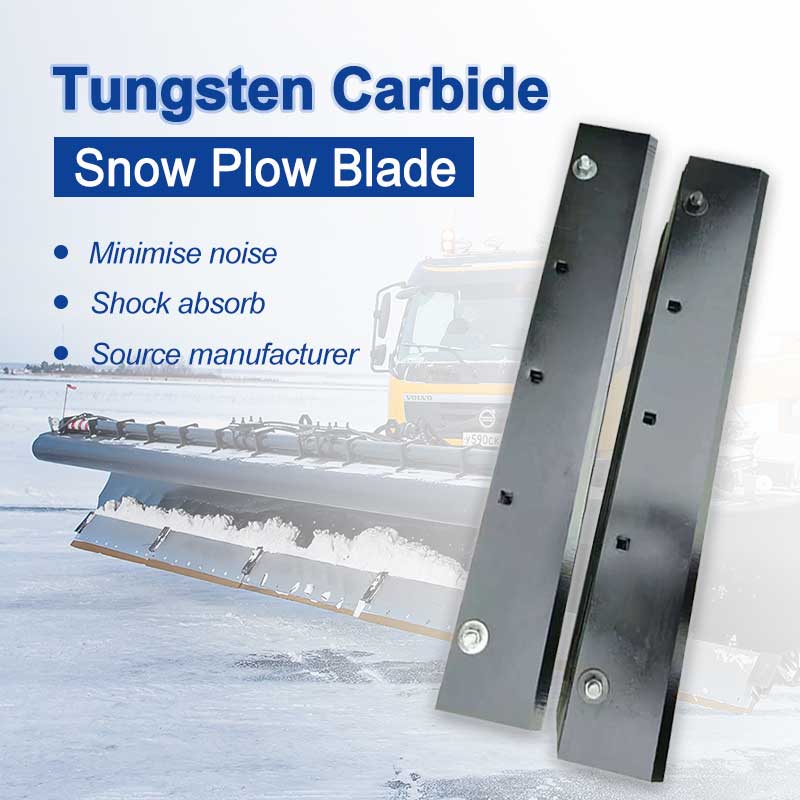
Poly blades generate lower operational noise due to their dampening characteristics. The material absorbs part of the vibration transmitted from ground contact, leading to:
Reduced vibration feedback through the plow assembly
Lower in-cab noise levels
Improved operator comfort during extended shifts
This reduction in vibration can contribute to better control and fewer fatigue-related handling errors.
Steel Blades
Steel transmits vibration more directly due to its rigidity. On uneven pavement, this can result in higher noise output and noticeable mechanical feedback. While manageable, prolonged exposure may increase operator fatigue in long-duration operations.
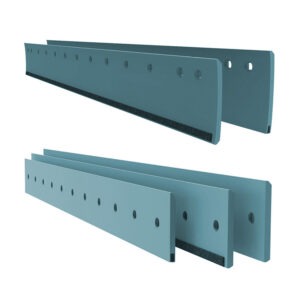
4. Weight, Downforce, and Equipment Compatibility
Material density directly influences blade weight, which affects vehicle dynamics and mounting requirements.
Poly Blades
Poly blades are lighter than steel blades of similar dimensions. Benefits include:
Reduced front-end load
Improved steering responsiveness
Less strain on suspension systems
Easier manual handling during installation
This lighter weight can be advantageous for smaller vehicles or light-duty plow setups.
Steel Blades
Steel adds structural weight, which increases natural downforce. This additional weight can:
Improve scraping performance on compacted snow
Enhance ground penetration
Stabilize blade contact at higher speeds
However, the increased load requires robust mounting systems and may reduce maneuverability on lighter vehicles.
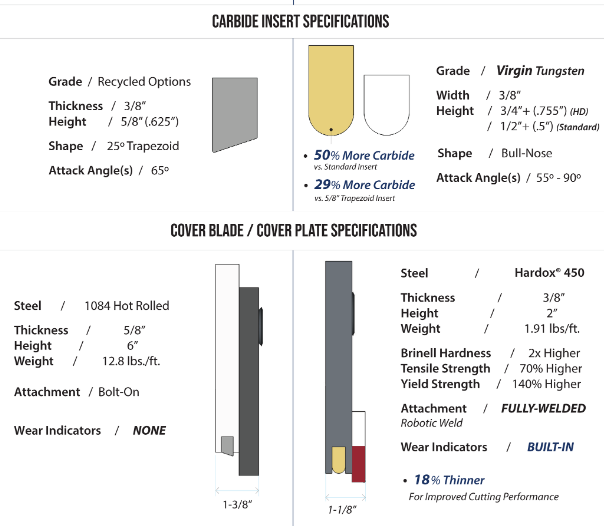
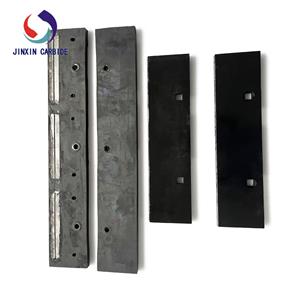 Industrial Tungsten Carbide Snow Plow Cutting Edge for Heavy Equipment
The carbide snow cutting edge is designe
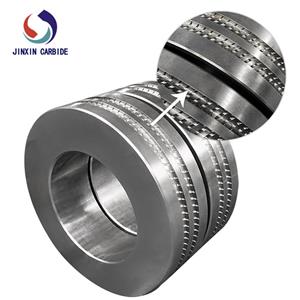 Carbide Roller Cemented Carbide Roll Rings/carbide Roller/tungsten
Tungsten carbide roller ring is a kind o
 Customizable Tungsten Jig Fishing Jig Lure
97% Tungsten high densityFast production
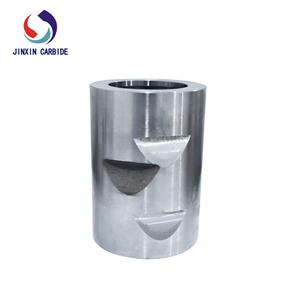 tungsten carbide forming die
Cemented Carbide Cold Heading Dies: Prec
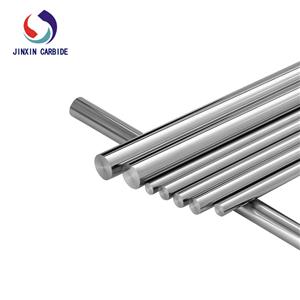 Carbide cutting tools grinding carbide/round carbide rods, Cermet metal rods
1. 100% virgin raw material2. High wear
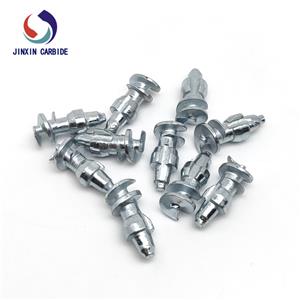 JX174 Removable Srew-in tire Studs Wheel Snow Carbide Spikes
Jinxin Studs are widely used in Northern
| WeChat/Phone : | +86 15573301853 |
|---|---|
| Fax : | +86-731-22332243 |
| Email : | jinxin012@ojinxin.com |