
Quality Control Becomes Key Focus in Tungsten Carbide Procurement: Buyers Pay Closer Attention to Material Sources
Introduction
In today’s competitive manufacturing environment, quality consistency has become a top priority for global buyers of tungsten carbide products. As supply chains become more complex and cost pressures increase, companies are placing greater emphasis not only on price—but also on the source and reliability of carbide raw materials.
Increasing Demand for Stable Performance
Industries such as precision machining, automotive manufacturing, and tooling require carbide materials that deliver consistent performance over time. Even minor variations in composition or structure can lead to:
Reduced tool life
Inconsistent machining results
Increased production downtime
Higher rejection rates
As a result, buyers are becoming more cautious when selecting between virgin and recycled carbide materials.
Material Traceability Gains Importance
One of the major trends in carbide procurement is the growing demand for material traceability.
Buyers now expect suppliers to provide:
Clear information on raw material sources
Production process transparency
Batch consistency reports
Quality inspection data
This is especially critical for high-end applications where reliability cannot be compromised.
Recycled Carbide Faces Higher Quality Expectations
While recycled carbide continues to gain popularity due to cost and sustainability advantages, buyers are no longer accepting inconsistent quality.
Modern customers expect recycled materials to meet:
Defined chemical composition standards
Stable mechanical performance
Repeatable production quality
Suppliers who invest in advanced recycling technology and strict quality control systems are gaining a competitive edge in the market.
Suppliers Shift Toward Value-Based Offering
Instead of competing only on price, more carbide suppliers are repositioning themselves as solution providers.
This includes:
Recommending the right material (virgin vs recycled) based on application
Offering customized grades and specifications
Providing technical support and application guidance
Ensuring long-term supply stability
This shift helps buyers reduce risk and optimize overall production efficiency.
Risk Management in Material Selection
For buyers, selecting carbide material is no longer just a purchasing decision—it is a risk management strategy.
Key considerations include:
Performance reliability
Supply consistency
Cost stability
Supplier credibility
Many companies are now willing to pay slightly higher prices for materials that reduce long-term operational risks.
Conclusion
The global tungsten carbide market is entering a new phase where quality, transparency, and reliability are just as important as cost.
As buyers become more sophisticated, suppliers must adapt by improving quality control, enhancing traceability, and offering flexible material solutions. Whether using virgin or recycled carbide, the focus is clear: delivering consistent performance that meets the evolving demands of modern industry.
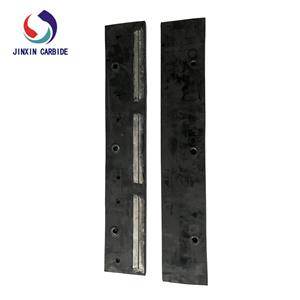 Industrial Tungsten Carbide Snow Plow Cutting Edge for Heavy Equipment
The carbide snow cutting edge is designe
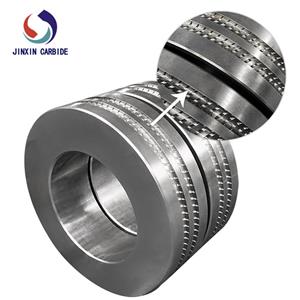 Carbide Roller Cemented Carbide Roll Rings/carbide Roller/tungsten
Tungsten carbide roller ring is a kind o
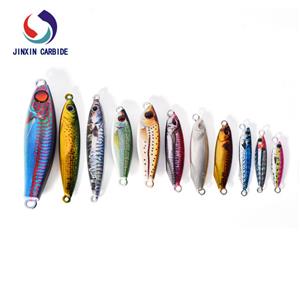 Customizable Tungsten Jig Fishing Jig Lure
97% Tungsten high densityFast production
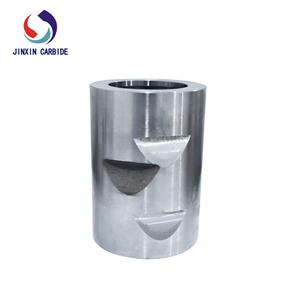 tungsten carbide forming die
Cemented Carbide Cold Heading Dies: Prec
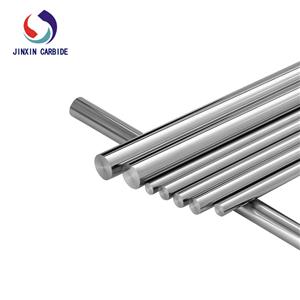 Carbide cutting tools grinding carbide/round carbide rods, Cermet metal rods
1. 100% virgin raw material2. High wear
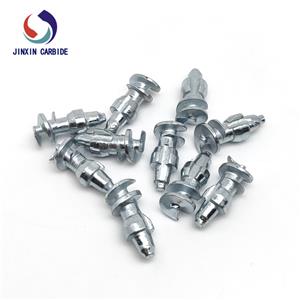 JX174 Removable Srew-in tire Studs Wheel Snow Carbide Spikes
Jinxin Studs are widely used in Northern
| WeChat/Phone : | +86 15573301853 |
|---|---|
| Fax : | +86-731-22332243 |
| Email : | jinxin012@ojinxin.com |