
Rising Demand for Tungsten Carbide Strips Drives Innovation in Industrial Wear Solutions
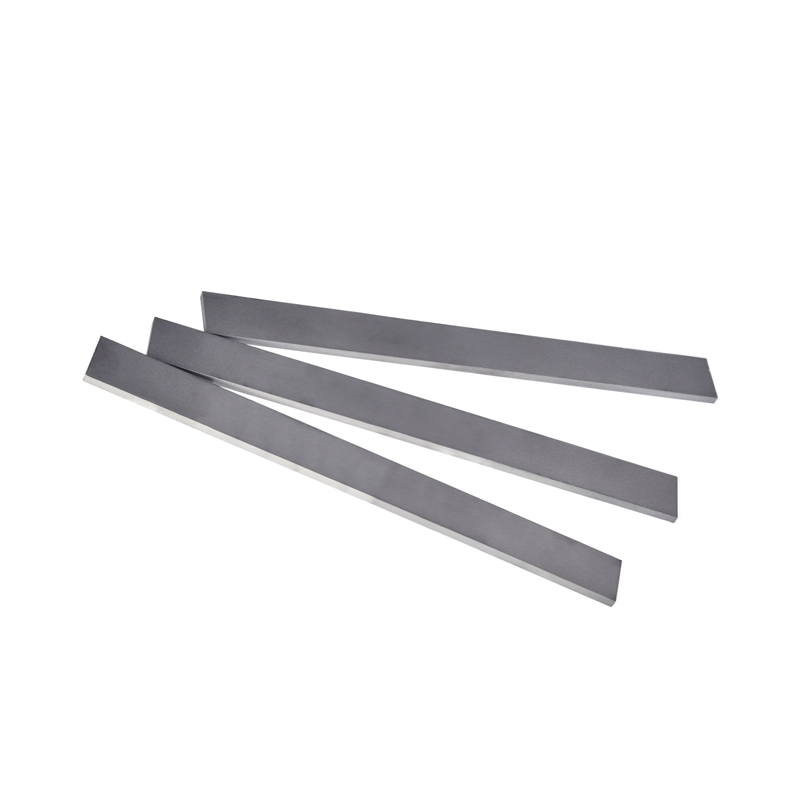
In recent years, the global manufacturing industry has witnessed a significant increase in demand for high-performance wear-resistant materials. Among them, tungsten carbide strips have emerged as a preferred solution across multiple industrial applications due to their exceptional hardness, durability, and resistance to wear.
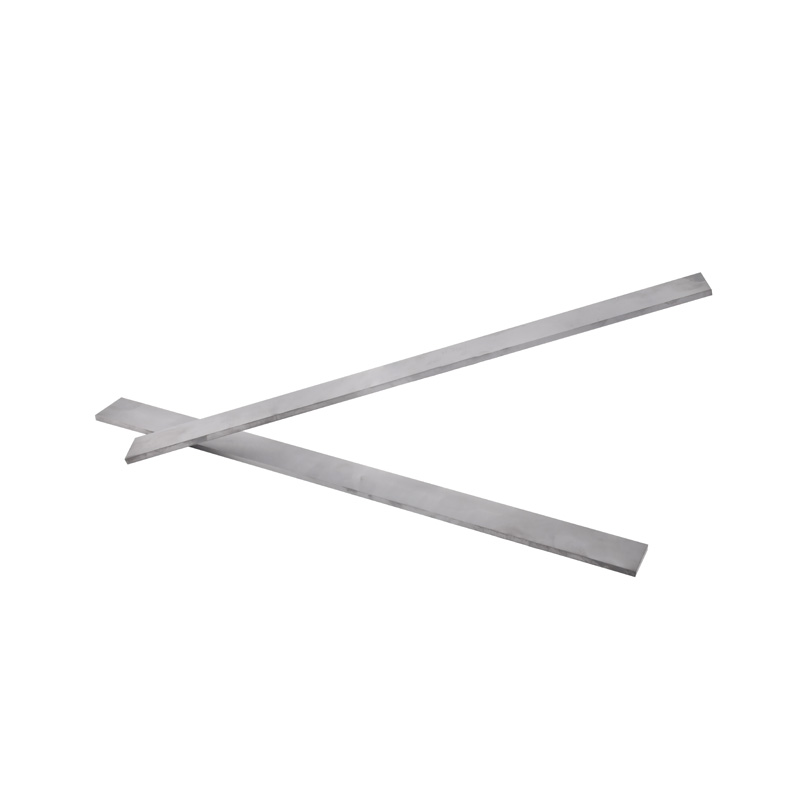
Carbide strips, also commonly known as cemented carbide strips or carbide flat strips, are widely used in woodworking, metal cutting, mining, and construction industries. Their ability to maintain sharpness and structural integrity under extreme conditions makes them indispensable components in modern tooling systems.
What Are Tungsten Carbide Strips?
Tungsten carbide strips are manufactured using a combination of tungsten carbide powder and a metallic binder, typically cobalt, through powder metallurgy processes. These cemented carbide strips are sintered at high temperatures to achieve superior hardness and wear resistance.
Compared with traditional steel materials, carbide strips offer significantly longer service life, especially in high-friction environments. This is why carbide wear strips are extensively used in applications where abrasion resistance is critical.
Key Advantages of Carbide Strips
The growing popularity of carbide flat strips is driven by several key performance advantages:
Exceptional Hardness: Tungsten carbide strips rank close to diamond in hardness, making them ideal for cutting and wear applications.
Superior Wear Resistance: Carbide wear strips can withstand continuous friction without significant degradation.
High Strength and Toughness: Despite their hardness, cemented carbide strips maintain good impact resistance.
Corrosion Resistance: Many carbide strips perform well even in chemically aggressive environments.
Long Service Life: The durability of tungsten carbide strips reduces replacement frequency and maintenance costs.
Applications of Cemented Carbide Strips
Due to their versatility, cemented carbide strips are widely used across different industries:
Woodworking Industry
Carbide flat strips are commonly used in saw blades, planers, and cutting tools. Their sharp cutting edge ensures clean and precise cuts.Metal Processing
In metalworking, tungsten carbide strips are used as cutting inserts and wear-resistant components.Mining and Construction
Carbide wear strips are essential in heavy-duty equipment, where materials are exposed to severe abrasion.Plastic and Recycling Industry
Carbide strips are used in shredding and granulating equipment to ensure efficient processing.
Manufacturing Process of Carbide Strips
The production of tungsten carbide strips involves several precise steps:
Powder mixing of tungsten carbide and binder
Pressing into strip shapes
Sintering at high temperatures
Grinding and finishing to achieve required tolerances
Advanced manufacturing techniques ensure that cemented carbide strips meet strict dimensional and performance requirements. Precision grinding is especially important for carbide flat strips, which are often used in high-accuracy applications.
Why Choose Carbide Wear Strips Over Steel?
Traditional steel components tend to wear out quickly under heavy load conditions. In contrast, carbide wear strips offer:
Up to 5–10 times longer lifespan
Reduced downtime
Lower total cost of ownership
For industries seeking efficiency and cost reduction, replacing steel parts with tungsten carbide strips is a strategic upgrade.
Customization Options for Carbide Flat Strips
Modern manufacturers provide flexible customization for carbide flat strips, including:
Different grades (e.g., YG6, YG8, YL10.2)
Various dimensions and tolerances
Surface finishing options (ground, polished, blank)
Customized cemented carbide strips can be tailored to meet specific application requirements, ensuring optimal performance.
Future Trends in Tungsten Carbide Strips Market
As industries continue to evolve, the demand for tungsten carbide strips and carbide wear strips is expected to grow steadily. Key trends include:
Increased adoption in automated manufacturing
Development of advanced carbide grades
Expansion into new application fields
Sustainability is also becoming a focus, with manufacturers exploring recycling methods for cemented carbide strips to reduce environmental impact.
Conclusion
In summary, tungsten carbide strips, carbide strips, carbide wear strips, cemented carbide strips, and carbide flat strips are essential materials for modern industrial applications. Their unmatched performance in wear resistance, durability, and efficiency makes them a valuable investment for businesses aiming to improve productivity and reduce costs.
As global demand continues to rise, companies that leverage high-quality carbide strips will gain a competitive edge in their respective industries.
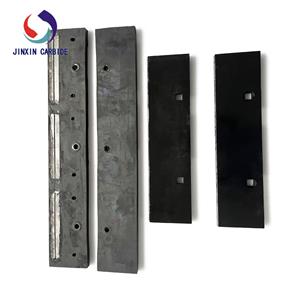 Industrial Tungsten Carbide Snow Plow Cutting Edge for Heavy Equipment
The carbide snow cutting edge is designe
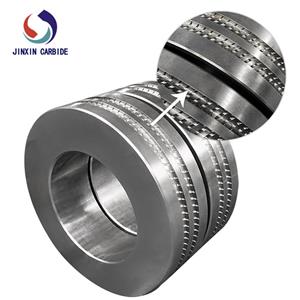 Carbide Roller Cemented Carbide Roll Rings/carbide Roller/tungsten
Tungsten carbide roller ring is a kind o
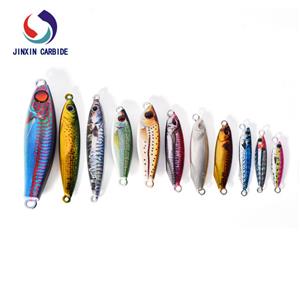 Customizable Tungsten Jig Fishing Jig Lure
97% Tungsten high densityFast production
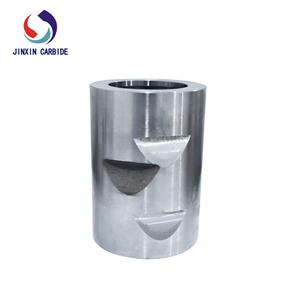 tungsten carbide forming die
Cemented Carbide Cold Heading Dies: Prec
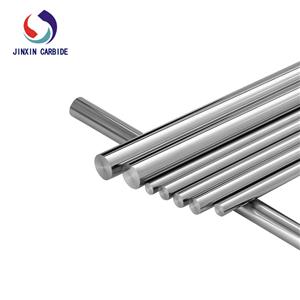 Carbide cutting tools grinding carbide/round carbide rods, Cermet metal rods
1. 100% virgin raw material2. High wear
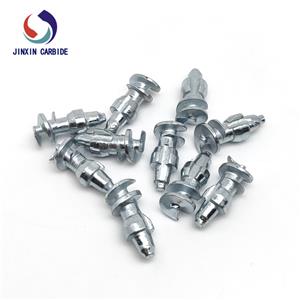 JX174 Removable Srew-in tire Studs Wheel Snow Carbide Spikes
Jinxin Studs are widely used in Northern
| WeChat/Phone : | +86 15573301853 |
|---|---|
| Fax : | +86-731-22332243 |
| Email : | jinxin012@ojinxin.com |