
Rising Tungsten Prices Drive Interest in Cermet Saw Tips as a Cost-Effective Alternative to Carbide
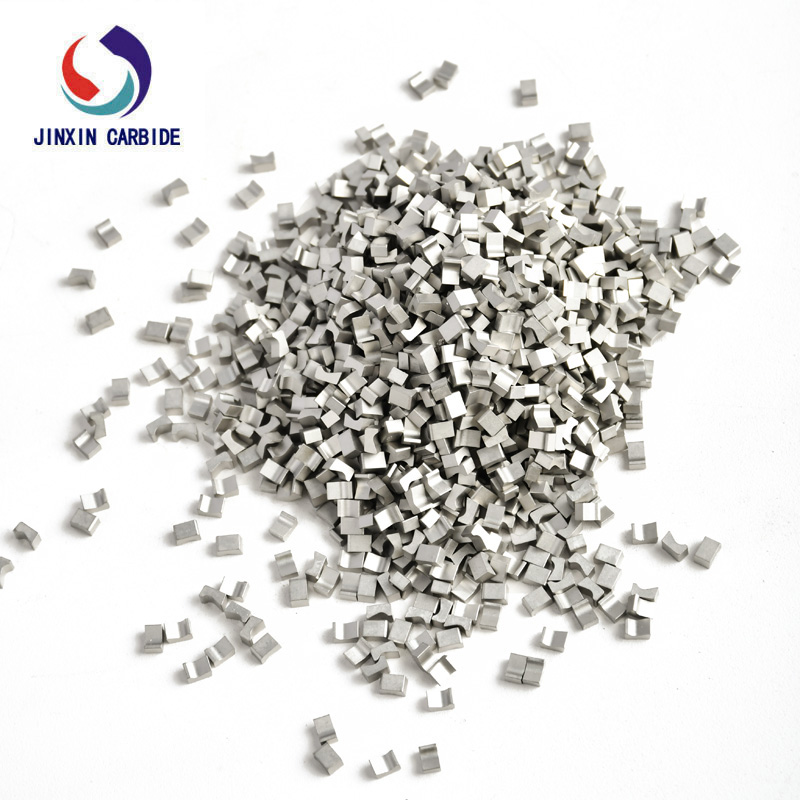
Introduction
Over the past year, global tungsten prices have experienced a significant upward trend, driven by supply constraints, geopolitical factors, and increasing demand across industries such as mining, energy, and advanced manufacturing. As tungsten is a key raw material in cemented carbide, this price surge is having a direct impact on the cost structure of carbide cutting tools.
For manufacturers relying on carbide-tipped saw blades, especially in high-volume applications, rising material costs are creating new challenges. In response, many companies are actively exploring alternative materials that can deliver comparable performance at a lower overall cost.
One material gaining renewed attention is cermet (ceramic-metal composite), particularly in the production of saw tips. With advancements in material engineering, cermet saw tips are emerging as a viable and cost-effective alternative to traditional carbide solutions.
Understanding the Impact of Tungsten Price Increases
Cemented carbide is primarily composed of tungsten carbide (WC) and a metallic binder such as cobalt. As tungsten prices rise, the cost of producing carbide tools increases accordingly.
For manufacturers, this leads to:
Higher procurement costs for cutting tools
Increased pressure on profit margins
Greater sensitivity to tool consumption rates
In industries such as woodworking, metal cutting, and panel processing—where saw blades are used extensively—the impact is especially significant.
What Is Cermet?
Cermet is a composite material that combines ceramic compounds (typically titanium-based carbides or nitrides) with metallic binders. Unlike tungsten carbide, cermet does not rely heavily on tungsten, making it less sensitive to fluctuations in tungsten pricing.
Key characteristics of cermet materials include:
High hardness and wear resistance
Excellent thermal stability
Reduced chemical affinity with certain workpiece materials
Smooth cutting performance
These properties make cermet particularly suitable for specific cutting applications.
Cermet Saw Tips vs. Carbide Saw Tips
1. Cost Advantage
One of the most compelling reasons for considering cermet is cost.
Reduced reliance on tungsten significantly lowers raw material costs
In many cases, cermet saw tips can achieve up to 50% cost savings compared to carbide
For high-volume users, this represents a substantial reduction in operating expenses.
2. Tool Life and Usage Efficiency
Advancements in cermet technology have improved durability and wear resistance. In suitable applications, cermet saw tips can:
Achieve longer effective cutting cycles
Maintain sharp edges over extended use
Deliver more consistent cutting performance
Some users report the ability to process a higher number of workpieces per tip, effectively increasing productivity.
3. Cutting Performance
Cermet materials are known for their:
Smooth cutting action
Reduced built-up edge formation
Stable performance at higher cutting speeds
This can result in improved surface finish and reduced need for secondary processing.
4. Application Suitability
It is important to note that cermet is not a universal replacement for carbide. Instead, it is best suited for:
High-speed cutting applications
Finishing operations
Materials where chemical stability is critical
Proper material selection based on application remains essential.
Industry Response: Shift Toward Alternative Materials
As raw material costs fluctuate, manufacturers are increasingly adopting a more strategic approach to tool selection. Rather than relying on a single material, many are diversifying their tool portfolios to include:
Carbide tools for heavy-duty applications
Cermet tools for high-efficiency and cost-sensitive operations
This hybrid approach allows companies to balance performance and cost more effectively.
Evaluating Total Cost of Ownership
When comparing carbide and cermet saw tips, it is important to consider total cost of ownership rather than unit price alone.
Key factors include:
Initial tool cost
Tool life
Number of parts processed per tool
Downtime and tool change frequency
In many scenarios, cermet offers a compelling combination of lower cost and high productivity, making it an attractive option for cost optimization.
Future Outlook
The trend of rising tungsten prices is expected to continue influencing the cutting tool industry. At the same time, ongoing research and development in alternative materials such as cermet will further expand their application range.
Manufacturers who proactively evaluate and adopt new material solutions will be better positioned to manage costs and maintain competitiveness.
Conclusion
The increase in tungsten prices is prompting a reassessment of material choices across the cutting tool industry. Cermet saw tips, with their reduced reliance on tungsten and improving performance characteristics, are emerging as a practical alternative in many applications.
While carbide remains indispensable in certain use cases, cermet provides a valuable option for manufacturers seeking to reduce costs without compromising efficiency.
About Our Solutions
We offer both carbide and cermet saw tip solutions, helping customers select the most suitable material based on their specific applications and cost targets.
Our approach focuses on:
Application-driven recommendations
Stable quality and performance
Long-term cost optimization
Contact Us
Looking to reduce your cutting tool costs?
👉 Share your application and material
👉 Get expert recommendations
👉 Request samples for testing
Final Insight
In a changing market, material flexibility is the key to maintaining both performance and profitability.
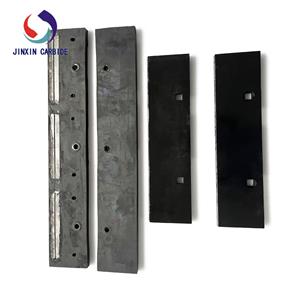 Industrial Tungsten Carbide Snow Plow Cutting Edge for Heavy Equipment
The carbide snow cutting edge is designe
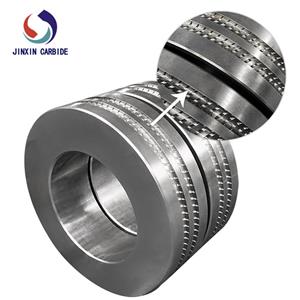 Carbide Roller Cemented Carbide Roll Rings/carbide Roller/tungsten
Tungsten carbide roller ring is a kind o
 Customizable Tungsten Jig Fishing Jig Lure
97% Tungsten high densityFast production
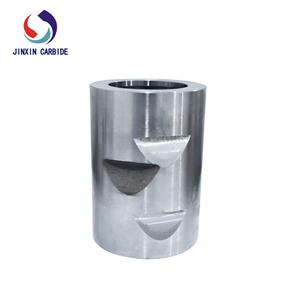 tungsten carbide forming die
Cemented Carbide Cold Heading Dies: Prec
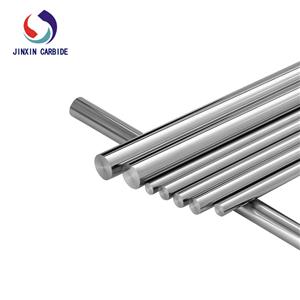 Carbide cutting tools grinding carbide/round carbide rods, Cermet metal rods
1. 100% virgin raw material2. High wear
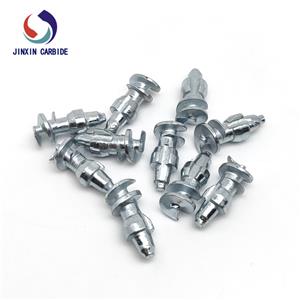 JX174 Removable Srew-in tire Studs Wheel Snow Carbide Spikes
Jinxin Studs are widely used in Northern
| WeChat/Phone : | +86 15573301853 |
|---|---|
| Fax : | +86-731-22332243 |
| Email : | jinxin012@ojinxin.com |