
Service Life of Snow Plow Blades: How Steel and Carbide Cutting Edges Affect Wear Cycles
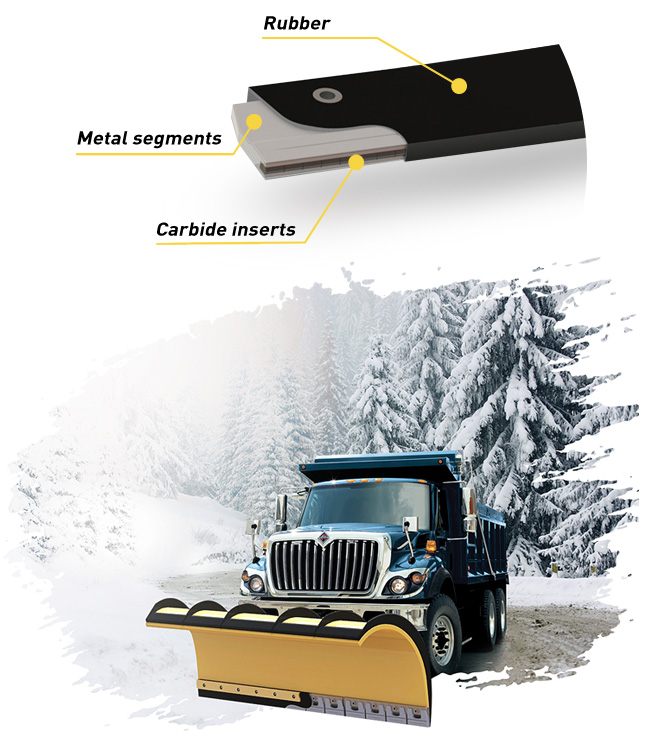
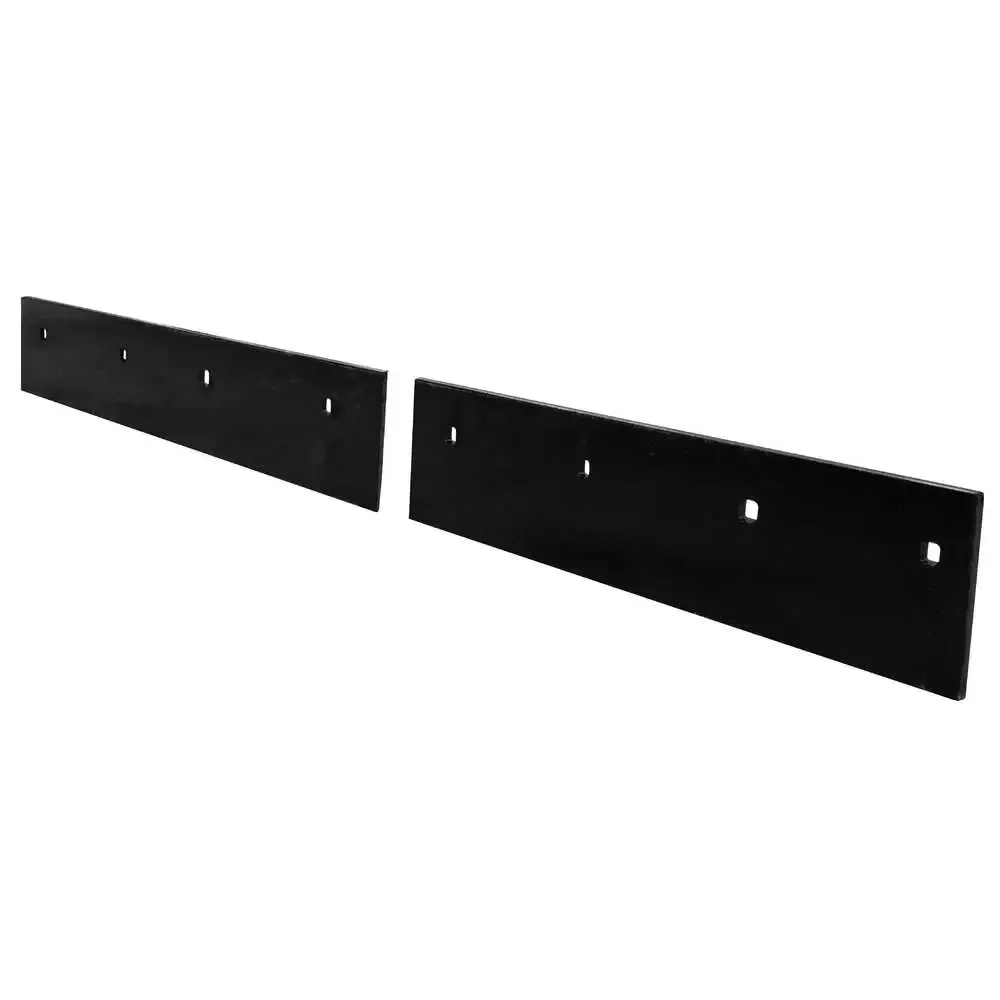
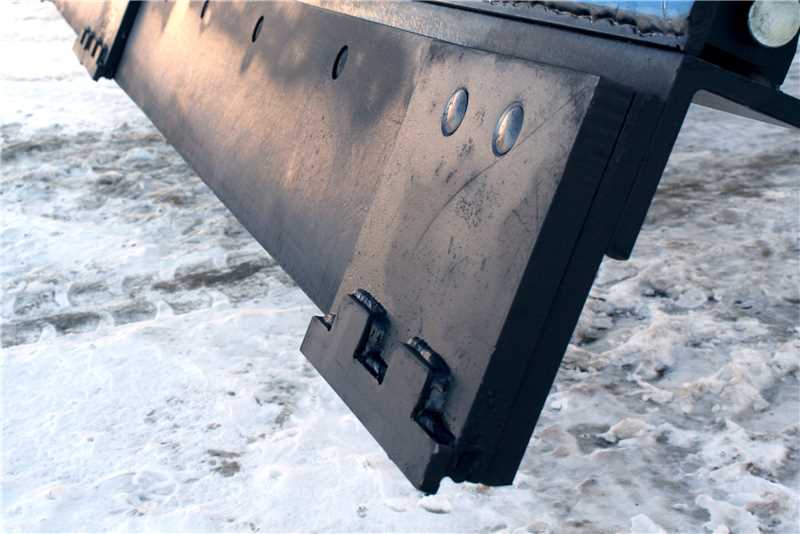
The service life of a snow plow blade—whether equipped with steel snow plow cutting edges or upgraded to carbide snow plow cutting edges—directly affects total operating cost, maintenance scheduling, and fleet availability during winter operations.
While many buyers focus on upfront price, the actual lifespan of a plow blade cutting edge is influenced far more by operating conditions, surface abrasiveness, pressure control, and maintenance discipline than by material alone. Understanding these factors helps contractors and municipal fleets select the right cutting edge for snow plow applications and forecast replacement cycles more accurately.
1. Road Surface Abrasion and Material Wear
Road surface condition is one of the primary factors influencing the wear rate of snow plow cutting edges.
Rough asphalt, exposed concrete, gravel roads, and embedded aggregates continuously grind against the blade edge during operation. When sand, salt, and fine stone particles mix with snow, they act as abrasive compounds that accelerate edge material loss.
Steel snow plow cutting edges typically offer lower upfront cost but may wear faster on highly abrasive pavement.
Carbide plow edges and snow plow carbide cutting edge systems provide superior wear resistance in high-abrasion environments.
In municipalities with heavy traffic and coarse asphalt surfaces, upgrading to carbide plow blades can significantly extend replacement intervals.
2. Downforce Control and Plowing Technique
Excessive downforce is one of the most overlooked causes of premature wear.
Applying too much pressure increases:
Friction at the blade–surface interface
Heat buildup
Edge deformation
Fuel consumption
A properly adjusted cutting edge for snow plow should maintain consistent surface contact without excessive compression. Correct blade angle and controlled hydraulic pressure improve snow removal efficiency while reducing unnecessary stress on both steel and carbide snow plow cutting edges.
Operator training plays a critical role in maximizing service life.
3. Operating Hours and Snowfall Intensity
Blade longevity should be measured in total operating hours rather than seasonal duration.
A fleet operating in high-snowfall regions may consume multiple sets of plow blade cutting edges within a single winter season, while lighter climates experience much longer service intervals.
Tracking:
Plowing hours
Kilometers cleared
Snow density
Frequency of deployment
allows more accurate forecasting of replacement cycles for both steel snow plow cutting edges and carbide plow edges.
4. Impact Resistance and Hidden Obstacles
Snow plow blades frequently strike:
Manhole covers
Expansion joints
Curb edges
Raised pavement markers
Frozen debris
Repeated impact accelerates structural fatigue, especially for standard steel cutting edges. In heavy-duty municipal operations, carbide plow blades provide enhanced edge retention under repeated impact conditions.
However, proper mounting alignment and reinforced hardware are equally important in preventing premature failure.
The service life of a snow plow blade is influenced by:
Road surface abrasiveness
Applied downforce
Operating speed and hours
Impact exposure
Preventive maintenance practices
Selection of steel or carbide snow plow cutting edges
A data-driven replacement strategy—rather than price-only purchasing—results in lower total lifecycle cost, improved reliability, and better fleet readiness during critical winter operations.
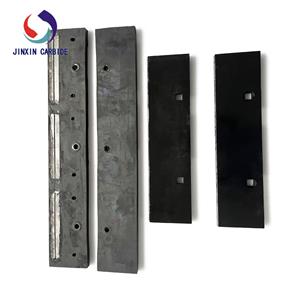 Industrial Tungsten Carbide Snow Plow Cutting Edge for Heavy Equipment
The carbide snow cutting edge is designe
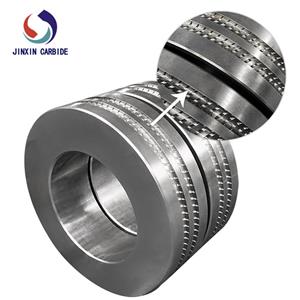 Carbide Roller Cemented Carbide Roll Rings/carbide Roller/tungsten
Tungsten carbide roller ring is a kind o
 Customizable Tungsten Jig Fishing Jig Lure
97% Tungsten high densityFast production
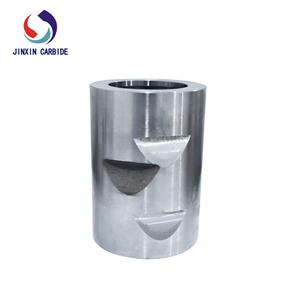 tungsten carbide forming die
Cemented Carbide Cold Heading Dies: Prec
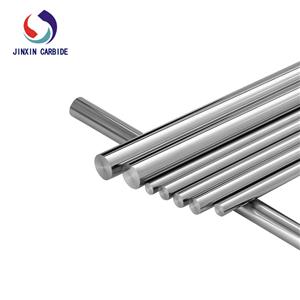 Carbide cutting tools grinding carbide/round carbide rods, Cermet metal rods
1. 100% virgin raw material2. High wear
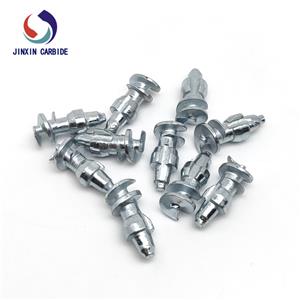 JX174 Removable Srew-in tire Studs Wheel Snow Carbide Spikes
Jinxin Studs are widely used in Northern
| WeChat/Phone : | +86 15573301853 |
|---|---|
| Fax : | +86-731-22332243 |
| Email : | jinxin012@ojinxin.com |