The Difference Between Virgin Carbide Materials and Recycled Carbide Materials: Applications and Selection Guide
Introduction
Tungsten carbide products are widely used in industries such as metal cutting, mining, construction, and wear-resistant components due to their exceptional hardness and durability. When sourcing carbide products, buyers often encounter two types of raw materials: virgin carbide materials and recycled carbide materials. Understanding their differences is essential for making the right purchasing decision based on performance, cost, and application requirements.
What Are Virgin Carbide Materials?
Virgin carbide materials are produced from primary raw resources, including tungsten powder, cobalt powder, and other alloying elements. These materials have never been used or processed before.
Key Characteristics:
High purity and consistent chemical composition
Superior mechanical properties
Stable grain structure
Excellent wear resistance and toughness
Reliable performance in high-precision applications
Typical Applications:
Virgin carbide is commonly used in:
CNC cutting tools
Precision molds and dies
Aerospace and automotive components
High-performance drilling tools
For industries where precision and durability are critical, virgin carbide is usually the preferred choice.
What Are Recycled Carbide Materials?
Recycled carbide materials are produced by reclaiming tungsten carbide from used tools, scrap materials, or production waste. These materials are processed through chemical or mechanical recycling methods to recover valuable elements.
Key Characteristics:
Lower cost compared to virgin materials
Slight variation in chemical composition
Performance depends on recycling process quality
Environmentally friendly and resource-saving
Typical Applications:
Recycled carbide is often used in:
General-purpose tools
Wear parts with moderate performance requirements
Mining and construction tools
Non-critical industrial applications
| Aspect | Virgin Carbide | Recycled Carbide |
|---|---|---|
| Raw Material Source | New mined materials | Reclaimed scrap and used carbide |
| Purity | Very high | Slightly lower |
| Performance | Stable and consistent | Can vary |
| Cost | Higher | More economical |
| Environmental Impact | Higher resource consumption | More sustainable |
How to Choose the Right Material?
Choosing between virgin and recycled carbide depends on your specific application:
Choose Virgin Carbide If:
You require high precision and tight tolerances
The application involves high speed or high temperature
Product reliability is critical
You are producing high-end tools or components
Choose Recycled Carbide If:
Cost efficiency is a priority
The application is less demanding
You need large-volume production
Sustainability is an important consideration
Industry Trends: Sustainability and Cost Balance
With increasing global emphasis on sustainability, more manufacturers are incorporating recycled carbide into their production processes. However, advanced applications still rely heavily on virgin materials to ensure performance and safety.
A balanced approach—using recycled materials where possible and virgin materials where necessary—is becoming the industry standard.
Conclusion
Both virgin and recycled carbide materials have their own advantages and ideal use cases. Virgin carbide offers unmatched performance and consistency, while recycled carbide provides a cost-effective and environmentally friendly alternative.
Understanding these differences allows buyers to optimize both performance and budget, ensuring the best value for their specific application.
 Industrial Tungsten Carbide Snow Plow Cutting Edge for Heavy Equipment
The carbide snow cutting edge is designe
 Carbide Roller Cemented Carbide Roll Rings/carbide Roller/tungsten
Tungsten carbide roller ring is a kind o
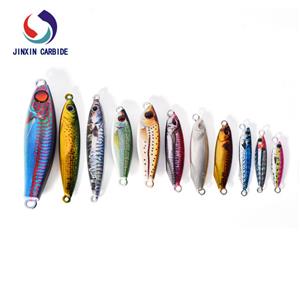 Customizable Tungsten Jig Fishing Jig Lure
97% Tungsten high densityFast production
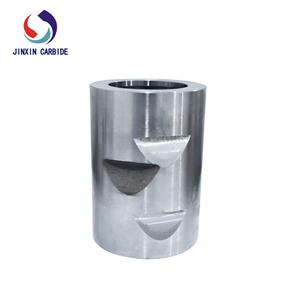 tungsten carbide forming die
Cemented Carbide Cold Heading Dies: Prec
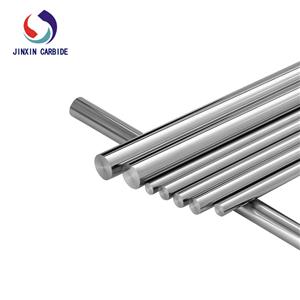 Carbide cutting tools grinding carbide/round carbide rods, Cermet metal rods
1. 100% virgin raw material2. High wear
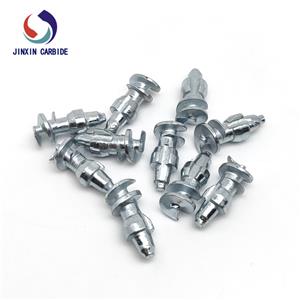 JX174 Removable Srew-in tire Studs Wheel Snow Carbide Spikes
Jinxin Studs are widely used in Northern
| WeChat/Phone : | +86 15573301853 |
|---|---|
| Fax : | +86-731-22332243 |
| Email : | jinxin012@ojinxin.com |