
The secret weapon for icy and snowy roads: Tungsten carbide winter tire studs.
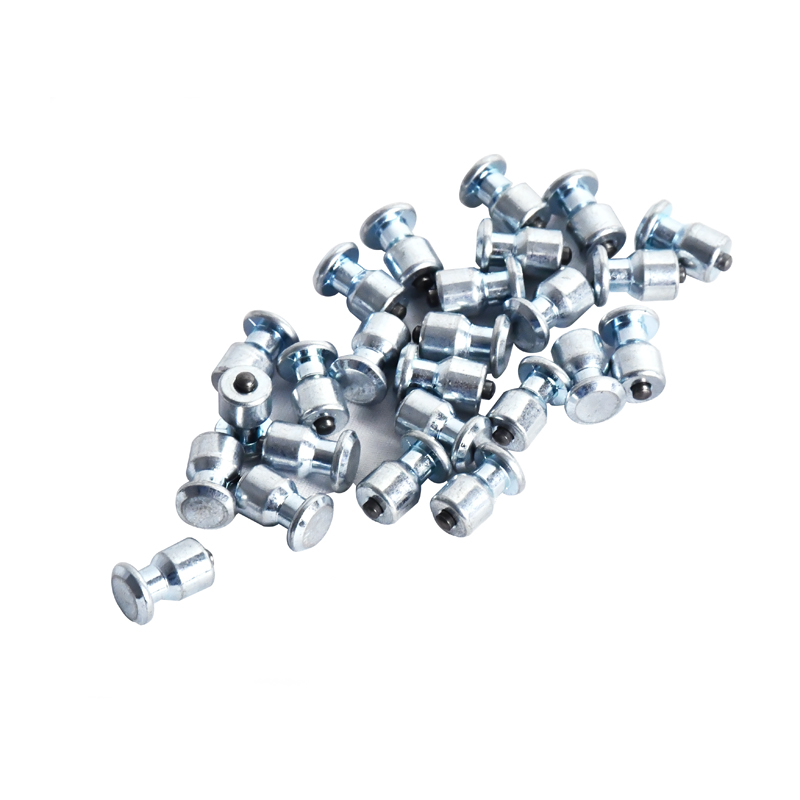
With the arrival of winter, northern regions are covered in snow and ice, making icy and snowy roads a serious challenge for drivers. A product called "tungsten carbide ice and snow winter tire studs" has recently attracted attention in the winter driving equipment market.
Tungsten carbide ice and snow tire studs are made of high-hardness tungsten carbide material and embedded into the tread of winter tires using a special process. Compared with traditional steel studs, tungsten carbide material has higher hardness and stronger wear resistance, and is known as the "secret weapon on icy and snowy roads."
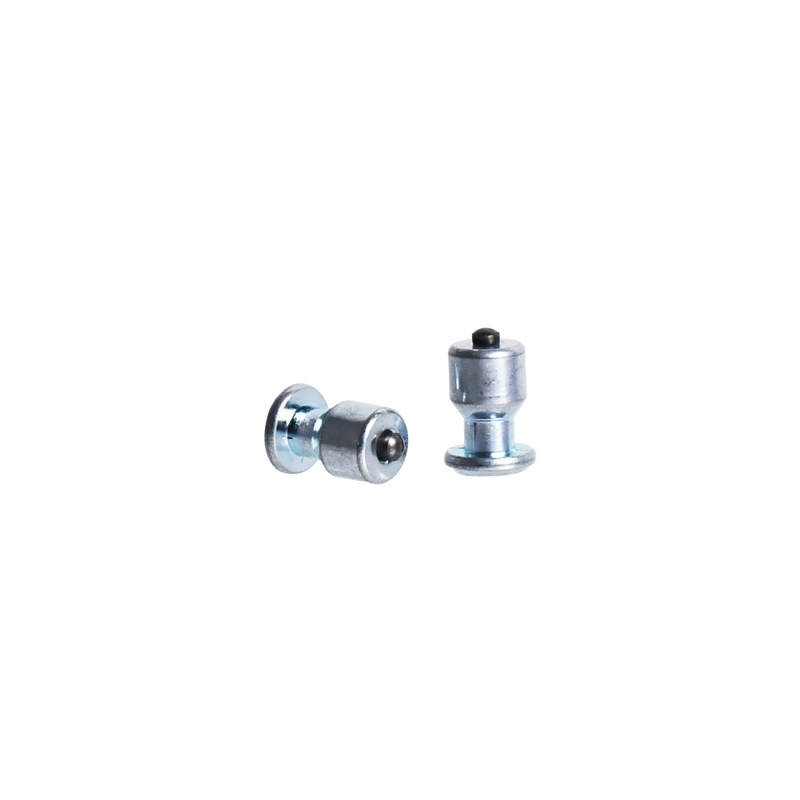
In the ice and snow slope starting test, tires equipped with tungsten carbide studs performed exceptionally well, achieving a smooth start on a 15-degree icy slope, in contrast to regular winter tires which experienced significant slippage. Braking distance tests showed that at a speed of 30 km/h, the braking distance of tungsten carbide studded tires was 38% shorter than that of unstudded winter tires.
After 200 kilometers of driving on mixed road surfaces, the tungsten carbide studs showed only minimal wear and still retained their sharp edges. The manufacturer claims they can last for three winters.
Of particular concern is the impact on road surfaces. In areas where studded tires are permitted, tungsten carbide studs cause less wear on asphalt surfaces than traditional steel studs, but their use is still primarily recommended for icy and snowy conditions.
When driving on clean asphalt, the noise level measured inside the car was 20% lower than with traditional studded tires, but still significantly higher than with studless tires.
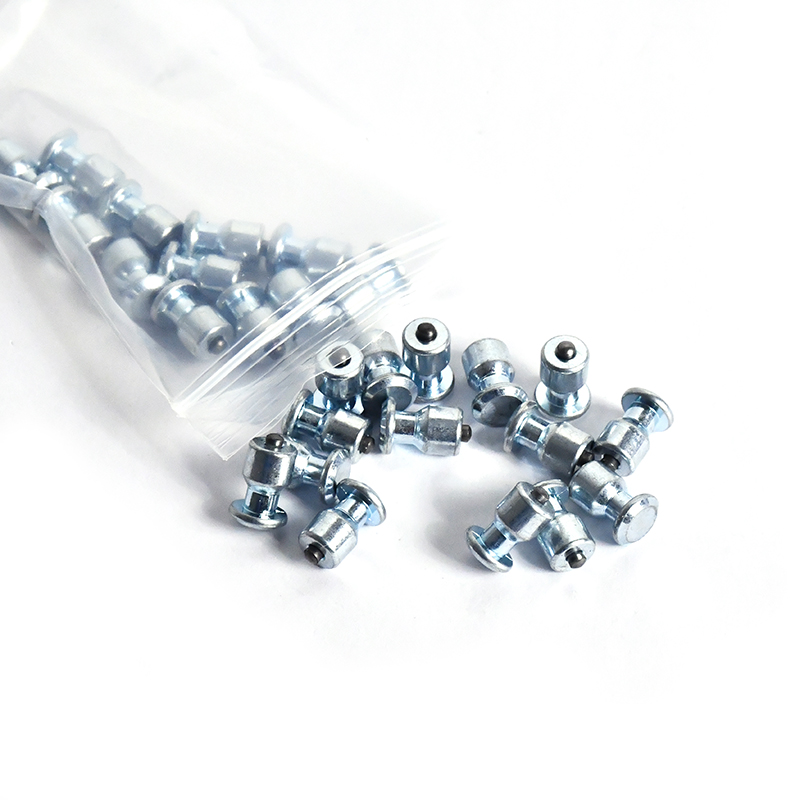
Tungsten carbide studded winter tires perform exceptionally well in extreme ice and snow conditions, providing near-SUV levels of traction, making them a reliable choice for drivers in cold climates. However, their use is subject to local regulations and they are not suitable for driving environments primarily consisting of clean asphalt roads.
With increased awareness of winter driving safety, technological advancements are providing more options for driving in icy and snowy conditions, but regardless, adapting to winter driving habits remains the first line of defense for safety.
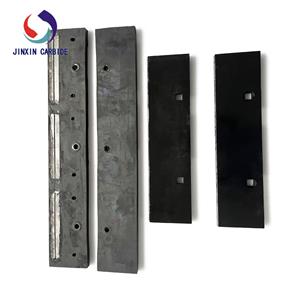 Industrial Tungsten Carbide Snow Plow Cutting Edge for Heavy Equipment
The carbide snow cutting edge is designe
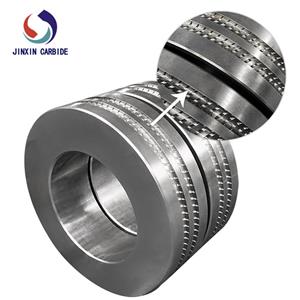 Carbide Roller Cemented Carbide Roll Rings/carbide Roller/tungsten
Tungsten carbide roller ring is a kind o
 Customizable Tungsten Jig Fishing Jig Lure
97% Tungsten high densityFast production
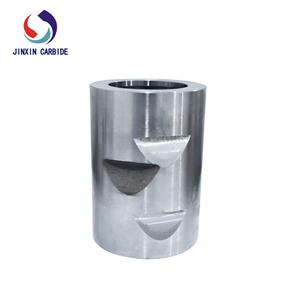 tungsten carbide forming die
Cemented Carbide Cold Heading Dies: Prec
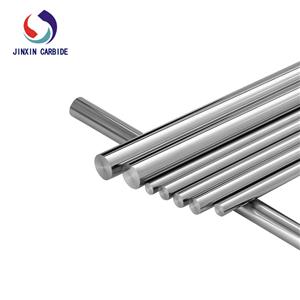 Carbide cutting tools grinding carbide/round carbide rods, Cermet metal rods
1. 100% virgin raw material2. High wear
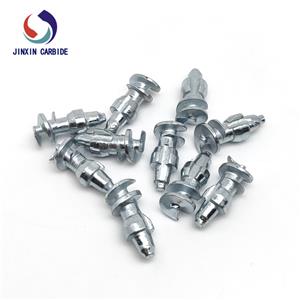 JX174 Removable Srew-in tire Studs Wheel Snow Carbide Spikes
Jinxin Studs are widely used in Northern
| WeChat/Phone : | +86 15573301853 |
|---|---|
| Fax : | +86-731-22332243 |
| Email : | jinxin012@ojinxin.com |