Virgin Tungsten Carbide vs Recycled Material: What’s the Difference?
In the tungsten carbide industry, raw material selection plays a crucial role in determining product performance, cost, and application suitability. Two commonly used material sources are virgin tungsten carbide powder and recycled tungsten carbide material. While many buyers assume that virgin material is always the better choice, the reality is more nuanced.
Understanding the differences between these materials helps manufacturers and buyers make more informed decisions depending on the application.
What Is Virgin Tungsten Carbide Material?
Virgin tungsten carbide is produced directly from primary raw materials such as tungsten ore and refined tungsten powder. Through a series of metallurgical processes, including carburization and sintering, manufacturers produce high-purity tungsten carbide powders used in cemented carbide products.
Virgin material generally offers several advantages:
Highly controlled chemical composition
Stable microstructure
Consistent mechanical performance
Reliable wear resistance and toughness
Because of these characteristics, virgin tungsten carbide is often preferred for high-precision or high-performance applications, such as aerospace tools, precision cutting tools, and advanced industrial components.
What Is Recycled Tungsten Carbide?
Recycled tungsten carbide, sometimes referred to as reclaimed or secondary material, is produced by recovering tungsten from used carbide tools, grinding sludge, or industrial scrap.
The recycling process typically involves several stages, including material collection, chemical treatment, powder refinement, and reprocessing into new tungsten carbide powder.
Recycling has become increasingly common in the tungsten industry because tungsten is considered a strategic and limited resource.
Performance Differences
In general, virgin materials offer more predictable performance due to their controlled composition and purity levels. However, this does not mean recycled material is unsuitable for industrial use.
With modern recycling technology, high-quality recycled tungsten carbide can achieve performance levels suitable for many applications.
For products where extreme performance or strict tolerances are not critical, recycled material can provide a practical and cost-effective solution.
Cost Considerations
One of the main advantages of recycled tungsten carbide is cost efficiency. Because recycled material uses recovered tungsten rather than newly mined raw materials, production costs can often be lower.
As a result, products made with recycled carbide materials may offer more competitive pricing, which can be attractive for applications with large consumption volumes or less demanding performance requirements.
Choosing the Right Material
Ultimately, the choice between virgin and recycled tungsten carbide depends on the specific application.
For high-precision tools or components that require maximum performance and consistency, virgin materials are often preferred. However, for many general industrial uses, recycled materials can perform well while offering significant cost advantages.
In many cases, the most practical solution is to evaluate both options based on performance requirements, cost considerations, and production needs.
 Industrial Tungsten Carbide Snow Plow Cutting Edge for Heavy Equipment
The carbide snow cutting edge is designe
 Carbide Roller Cemented Carbide Roll Rings/carbide Roller/tungsten
Tungsten carbide roller ring is a kind o
 Customizable Tungsten Jig Fishing Jig Lure
97% Tungsten high densityFast production
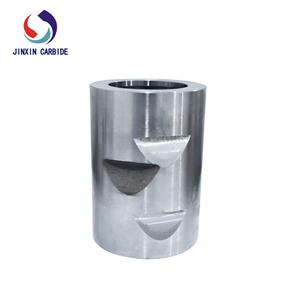 tungsten carbide forming die
Cemented Carbide Cold Heading Dies: Prec
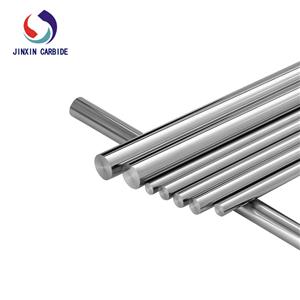 Carbide cutting tools grinding carbide/round carbide rods, Cermet metal rods
1. 100% virgin raw material2. High wear
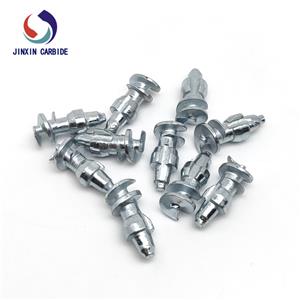 JX174 Removable Srew-in tire Studs Wheel Snow Carbide Spikes
Jinxin Studs are widely used in Northern
| WeChat/Phone : | +86 15573301853 |
|---|---|
| Fax : | +86-731-22332243 |
| Email : | jinxin012@ojinxin.com |