Why Are Tungsten Prices in China Rising So Rapidly?
In recent months, tungsten prices in China have experienced an unprecedented surge, drawing attention from manufacturers, traders, and end-users across multiple industries. As the world’s dominant supplier of tungsten, changes in China’s domestic market often have a direct impact on global pricing. Several structural factors are currently driving this sharp price increase.
1. Tight Supply of Tungsten Ore
One of the most significant factors behind the price surge is the tightening supply of tungsten ore. Mining quotas in China have been reduced in recent years, while the grade of many domestic tungsten deposits has gradually declined. At the same time, environmental regulations and higher mining costs have further constrained production capacity.
Because tungsten mining projects require substantial investment and long development cycles, the market cannot quickly increase supply to respond to rising demand. This structural limitation has created persistent supply pressure in the global tungsten market.
2. Export Controls and Strategic Resource Management
China controls a large share of the global tungsten supply chain, accounting for more than 70–80% of global production and processing capacity.
In recent years, the Chinese government has tightened export licensing and regulatory policies on strategic minerals. These policies aim to protect domestic resources and ensure long-term industrial security. However, they also reduce the volume of tungsten available to international markets, contributing to higher global prices.
Industry analysts note that stricter export controls implemented since 2025 have been a key catalyst behind the rapid increase in tungsten product prices.
3. Strong Demand from High-Tech and Industrial Sectors
Demand for tungsten has grown significantly in several advanced manufacturing sectors. Tungsten is widely used in:
Cemented carbide cutting tools
Semiconductor manufacturing equipment
Aerospace and defense applications
Mining and drilling tools
Electronics and energy industries
The rapid expansion of semiconductor technology, defense manufacturing, and advanced tooling industries has increased global demand for tungsten materials.
As demand accelerates while supply remains constrained, the imbalance has pushed tungsten prices to record highs.
4. Low Global Inventories and Market Expectations
Another contributing factor is the decline in global tungsten inventories. Many companies have begun stockpiling critical materials due to geopolitical uncertainties and supply chain risks.
At the same time, traders and investors expect tungsten to remain a strategically important metal, which has intensified market speculation and further amplified price volatility.
Recent reports indicate that tungsten prices have risen multiple times over the past year, with some market segments seeing increases of several hundred percent.
Outlook for the Tungsten Market
While short-term price fluctuations are possible, many analysts believe the tungsten market will remain tight in the coming years. The combination of limited supply expansion, strategic resource policies, and growing demand from high-technology industries suggests that tungsten will continue to be one of the most critical metals in global manufacturing.
For manufacturers and supply chain participants, understanding these market dynamics is essential for planning procurement strategies and managing long-term production costs.
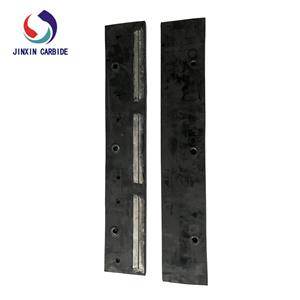 Industrial Tungsten Carbide Snow Plow Cutting Edge for Heavy Equipment
The carbide snow cutting edge is designe
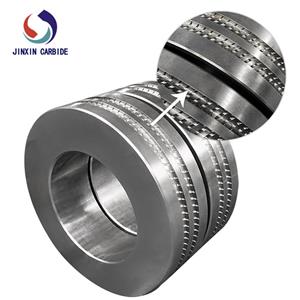 Carbide Roller Cemented Carbide Roll Rings/carbide Roller/tungsten
Tungsten carbide roller ring is a kind o
 Customizable Tungsten Jig Fishing Jig Lure
97% Tungsten high densityFast production
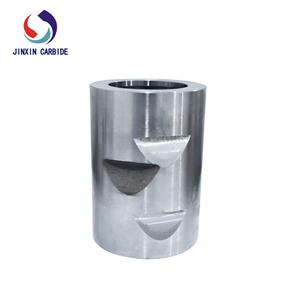 tungsten carbide forming die
Cemented Carbide Cold Heading Dies: Prec
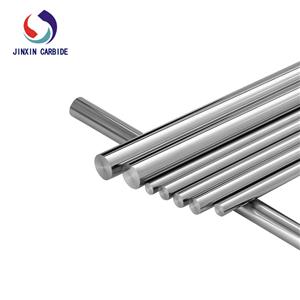 Carbide cutting tools grinding carbide/round carbide rods, Cermet metal rods
1. 100% virgin raw material2. High wear
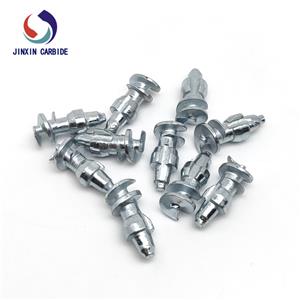 JX174 Removable Srew-in tire Studs Wheel Snow Carbide Spikes
Jinxin Studs are widely used in Northern
| WeChat/Phone : | +86 15573301853 |
|---|---|
| Fax : | +86-731-22332243 |
| Email : | jinxin012@ojinxin.com |