
HPGR Studs: Tungsten Carbide Studs for High Pressure Grinding Rolls
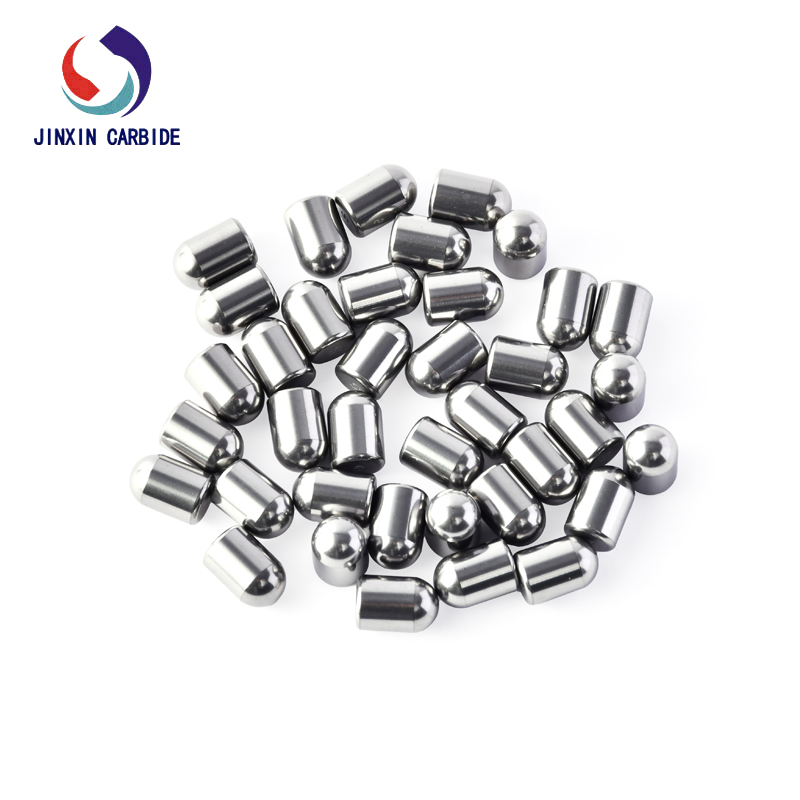
HPGR Studs for High Pressure Grinding Rolls
High Pressure Grinding Rolls, commonly known as HPGR, are widely used in mining and mineral processing applications for efficient size reduction of hard and abrasive materials. During continuous operation, the roller surface is exposed to severe compression, impact and abrasive wear.
HPGR studs are installed on the working surface of high pressure grinding rolls to provide a highly wear-resistant layer. Tungsten carbide HPGR studs are especially suitable for demanding grinding applications because tungsten carbide provides high hardness, excellent wear resistance and strong resistance to compressive loading.
For mining companies, mineral processing plants and HPGR equipment manufacturers, the selection of suitable cemented carbide studs can directly influence roller service life, maintenance intervals and overall grinding efficiency.
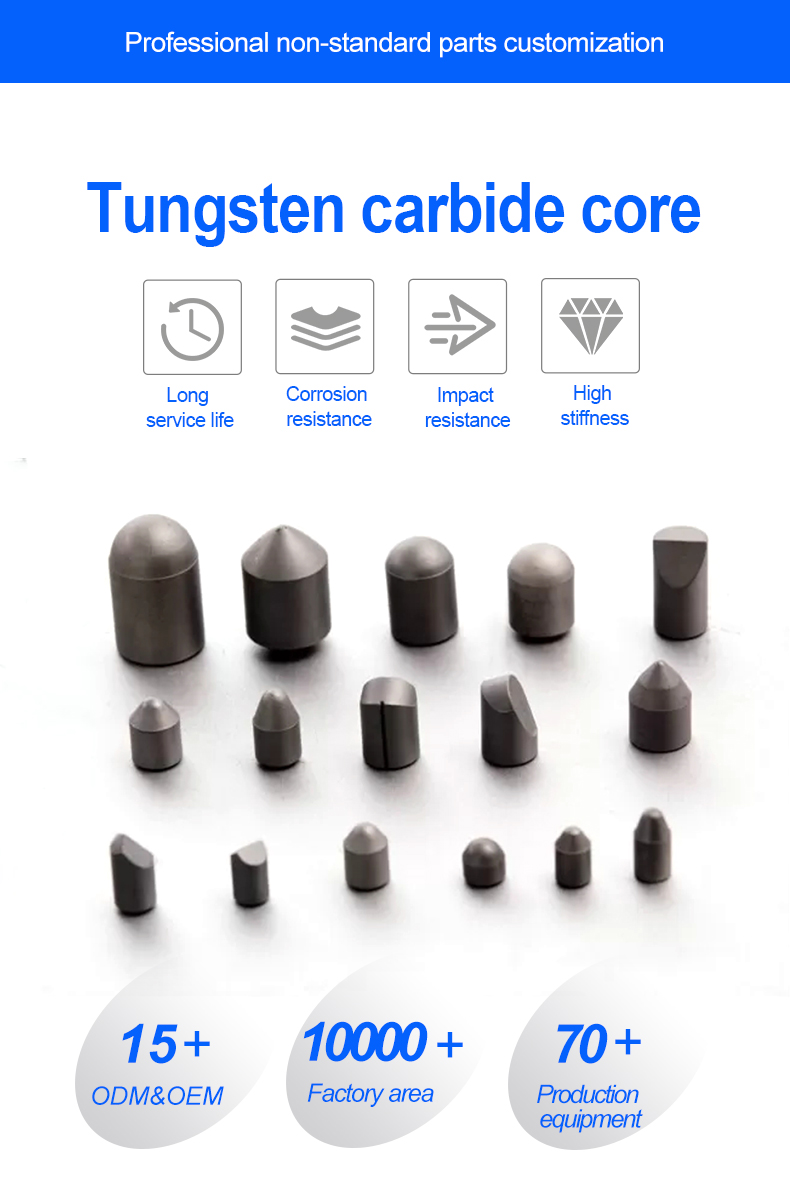
What Are HPGR Studs?
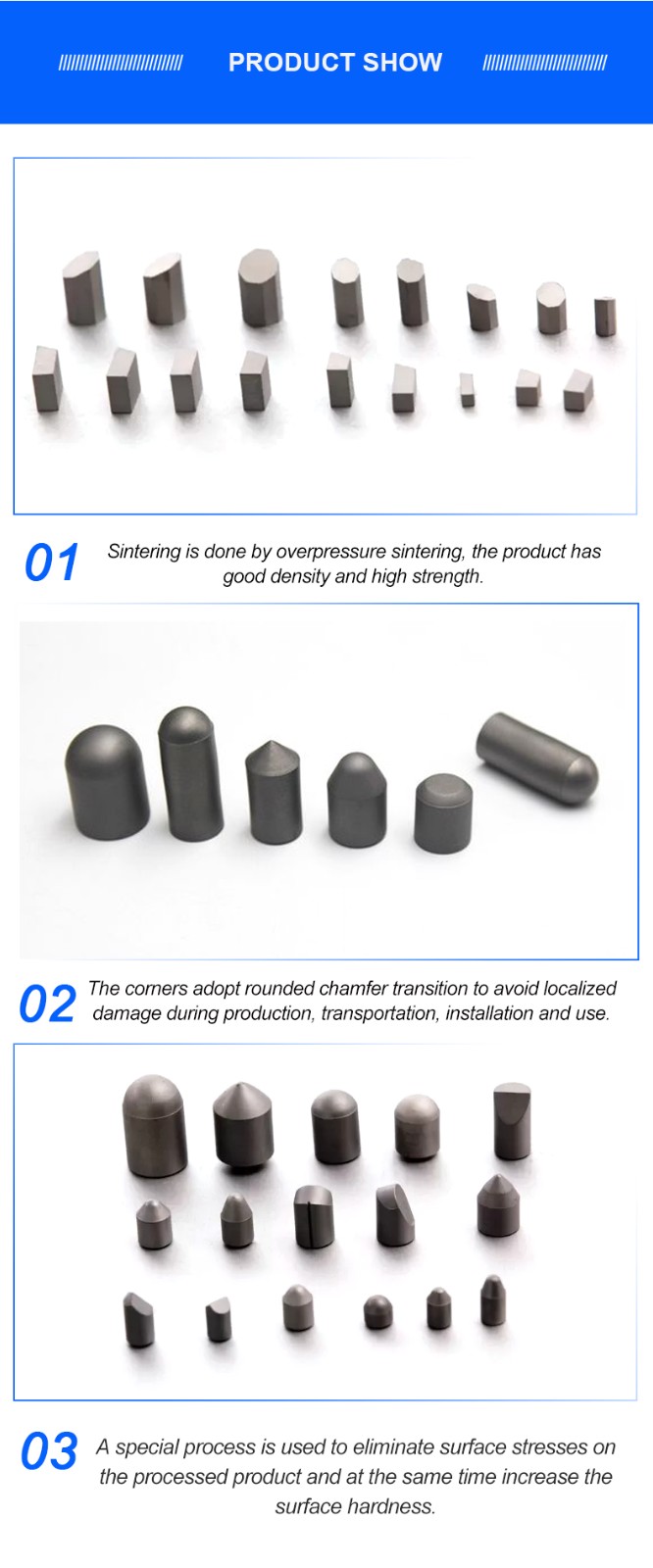
HPGR studs are wear-resistant carbide components designed specifically for High Pressure Grinding Rolls. The studs are normally mounted into the roller surface and work together with the surrounding steel structure to withstand continuous grinding pressure.
Tungsten carbide HPGR studs consist primarily of tungsten carbide and a metallic binder. The cemented carbide structure provides a combination of high hardness and toughness, allowing the studs to withstand severe wear conditions.
During HPGR operation, the carbide studs are exposed to ore particles and high compressive forces. The working surface of the studs helps resist abrasive wear and protects the roller body from excessive damage.
Compared with conventional steel wear surfaces, carbide studs can provide significantly higher hardness and improved wear resistance in many HPGR applications.
Why Tungsten Carbide HPGR Studs Are Important
The working environment of an HPGR can be extremely demanding. Iron ore, copper ore, gold ore, cement raw materials and other mineral materials can contain highly abrasive particles.
During grinding, the roller surfaces experience repeated compression and friction. If the wear surface deteriorates too quickly, the roller profile can change and maintenance requirements can increase.
Tungsten carbide HPGR studs provide a hard and wear-resistant working surface. The high hardness of tungsten carbide helps resist abrasive wear, while the cemented carbide structure provides the mechanical strength required for industrial grinding applications.
Properly selected carbide studs can help extend the working life of HPGR wear surfaces and reduce the frequency of replacement or maintenance.
Applications of HPGR Carbide Studs
HPGR studs are widely associated with mining and mineral processing applications.
In iron ore processing, carbide studs for HPGR can be used to protect roller surfaces exposed to abrasive iron-bearing materials. The combination of high compressive loading and abrasive particles makes wear resistance particularly important.
In copper ore processing, tungsten carbide HPGR studs can help resist wear caused by hard mineral particles during high-pressure grinding.
Gold ore processing can also involve abrasive feed materials. Cemented carbide studs provide a durable wear-resistant solution for HPGR roller surfaces.
HPGR equipment is also used in cement production and other industrial grinding processes. When raw materials contain abrasive minerals, tungsten carbide HPGR studs can provide additional protection for critical wear surfaces.
Tungsten Carbide Grade Selection for HPGR Studs
Carbide grade selection is an important factor when manufacturing HPGR studs. HPGR applications involve both abrasive wear and mechanical loading, so the optimum carbide grade should provide an appropriate balance between hardness and toughness.
A carbide grade with higher hardness may provide excellent resistance to abrasive wear. However, applications involving higher impact or irregular feed conditions may require a tougher cemented carbide grade.
The suitable grade depends on the ore type, feed particle size, grinding pressure, roller design, operating conditions and expected service life.
JINXIN can recommend suitable tungsten carbide grades according to the customer's HPGR application and working conditions.
For customers replacing existing HPGR studs, providing the original carbide grade, dimensions or a sample can help confirm the appropriate replacement specification.
HPGR Stud Dimensions and Design
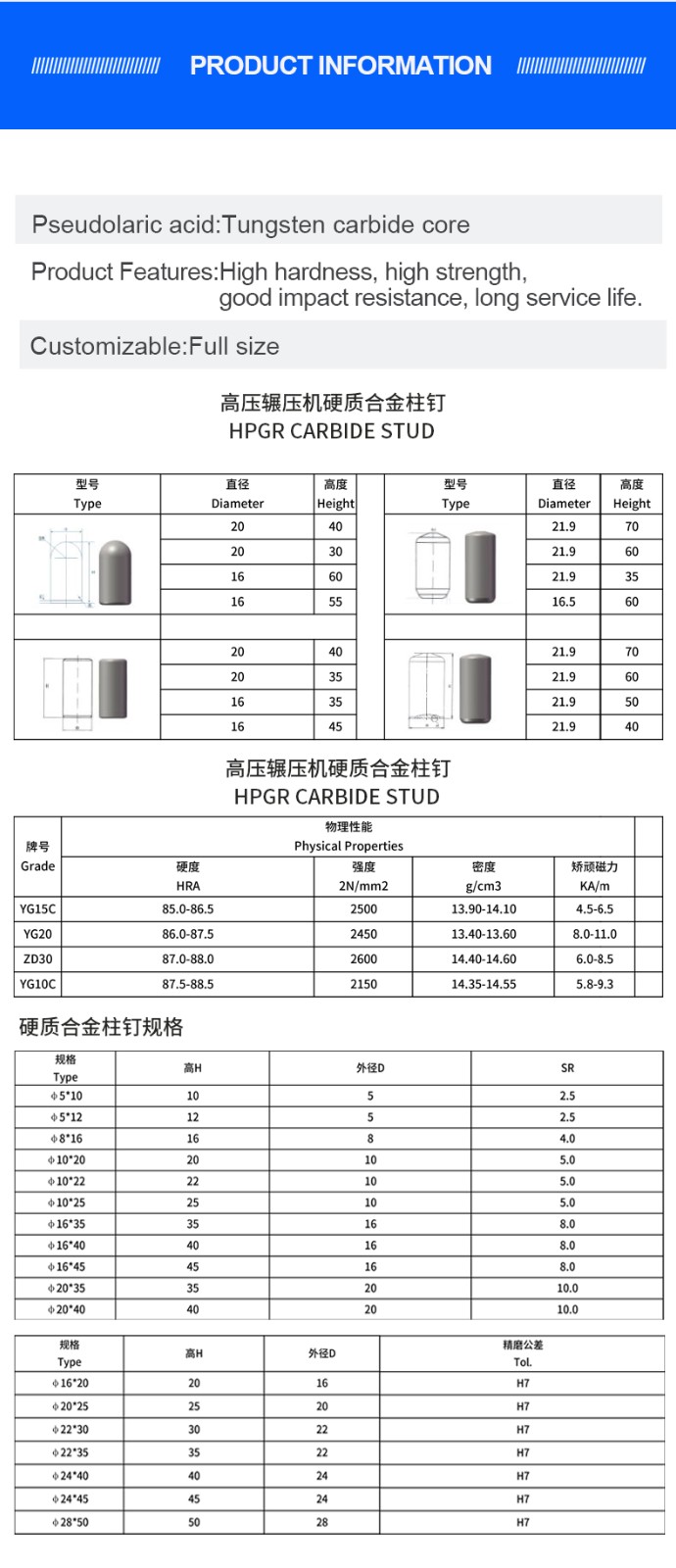
HPGR studs are available in different diameters, lengths and head configurations. The exact dimensions depend on the roller design and the customer's installation requirements.
Common HPGR carbide stud designs include cylindrical bodies with rounded or domed working surfaces. The working-end geometry can influence contact behavior, wear distribution and the service performance of the roller.
The shank diameter and length should match the corresponding holes in the roller body. Dimensional accuracy is therefore important during HPGR stud manufacturing.
For OEM applications, JINXIN can manufacture carbide studs according to customer drawings, samples and technical specifications.
Customized HPGR studs can include different diameters, lengths, head shapes, tolerances and carbide grades.
Manufacturing Process of HPGR Studs
The quality of tungsten carbide HPGR studs is closely related to raw material quality and manufacturing technology.
The production process normally includes tungsten carbide powder preparation, mixing, pressing, sintering and precision grinding. Controlled manufacturing conditions help achieve stable physical and mechanical properties.
After sintering, carbide studs can be precision ground according to customer dimensional requirements. Surface quality and dimensional consistency are particularly important when carbide studs are installed into HPGR roller bodies.
Quality inspection can include dimensional inspection, density testing, hardness testing and visual inspection. Consistent manufacturing quality helps ensure stable performance during large-volume production.
Wear Resistance of High Pressure Grinding Roll Studs
Wear resistance is one of the most important performance characteristics of high pressure grinding roll studs.
During HPGR operation, mineral particles continuously pass between the two rotating rolls. The roller surfaces are subjected to high pressure while abrasive particles move across the working surface.
Tungsten carbide provides a hard wear-resistant surface that can reduce material loss from the studs. The carbide studs can maintain the working profile of the roller for longer periods when the material grade and stud design are correctly selected.
However, HPGR performance is influenced by many factors, including feed characteristics, grinding pressure, moisture, particle size and roller speed. Therefore, carbide stud selection should always consider the complete working environment.
HPGR Studs for OEM and Replacement Applications
HPGR studs are required for both new roller manufacturing and replacement maintenance.
For HPGR equipment manufacturers, customized cemented carbide studs can be produced according to engineering drawings and production specifications. Consistent dimensions and material properties are important for large-scale assembly.
For mining companies and maintenance contractors, replacement tungsten carbide HPGR studs should match the existing roller design. Customers can provide photographs, drawings, dimensions or original samples for specification confirmation.
JINXIN supports both standard and customized carbide stud production and can provide technical recommendations for different HPGR applications.
How to Select the Right HPGR Stud Supplier
When purchasing HPGR studs, buyers should consider carbide grade, dimensional accuracy, raw material quality, manufacturing consistency and production capacity.
A suitable supplier should be able to provide stable carbide properties and consistent dimensions across different production batches.
For large HPGR projects, sample testing is recommended before mass production. Actual application testing can help evaluate wear performance and confirm whether the selected carbide grade and stud design meet the operating requirements.
Customers should provide the following information when requesting a quotation:
HPGR equipment model
Stud diameter and length
Head shape or drawing
Carbide grade, if available
Required quantity
Ore or material being processed
Working pressure and operating conditions
Photos, drawings or samples of the existing HPGR studs
The more complete the technical information, the easier it is to recommend the correct tungsten carbide HPGR studs.
JINXIN Tungsten Carbide HPGR Studs
JINXIN specializes in cemented carbide manufacturing and provides tungsten carbide HPGR studs for mining, mineral processing and industrial grinding applications.
JINXIN HPGR studs can be manufactured in different dimensions and carbide grades according to customer requirements. Standard specifications and customized HPGR studs are available for OEM production and replacement applications.
With controlled carbide production and precision grinding capabilities, JINXIN focuses on consistent dimensions and stable material performance for industrial wear-resistant applications.
For mining companies, HPGR equipment manufacturers, distributors and maintenance contractors, JINXIN can provide technical support for carbide stud selection and customized production.
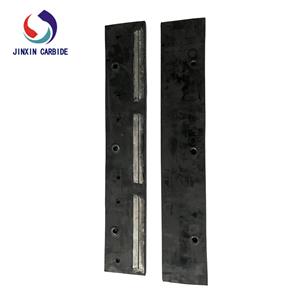 Industrial Tungsten Carbide Snow Plow Cutting Edge for Heavy Equipment
The carbide snow cutting edge is designe
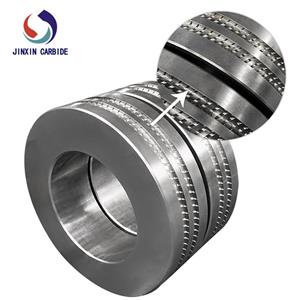 Carbide Roller Cemented Carbide Roll Rings/carbide Roller/tungsten
Tungsten carbide roller ring is a kind o
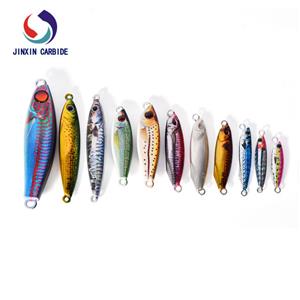 Customizable Tungsten Jig Fishing Jig Lure
97% Tungsten high densityFast production
 tungsten carbide forming die
Cemented Carbide Cold Heading Dies: Prec
 Carbide cutting tools grinding carbide/round carbide rods, Cermet metal rods
1. 100% virgin raw material2. High wear
 JX174 Removable Srew-in tire Studs Wheel Snow Carbide Spikes
Jinxin Studs are widely used in Northern
| WeChat/Phone : | +86 15573301853 |
|---|---|
| Fax : | +86-731-22332243 |
| Email : | jinxin012@ojinxin.com |