
Domestic tungsten carbide files overcome technical barriers, enabling import substitution for industrial-grade precision machining tools
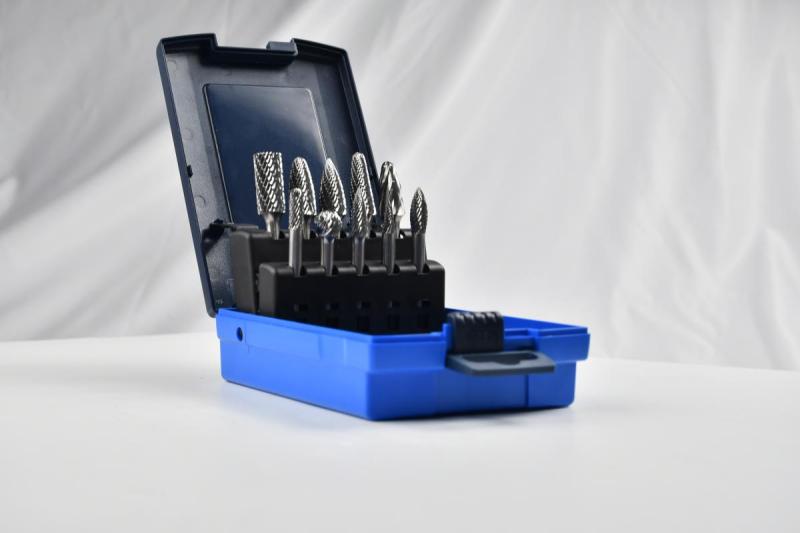
A major breakthrough has been achieved in China's precision tool manufacturing sector. Recently, high-performance tungsten carbide files jointly developed by domestic materials research teams and manufacturing enterprises have commenced production. This marks China's successful breaking of long-standing foreign technological monopolies in superhard material tools, achieving domestic substitution for industrial-grade precision machining tools.
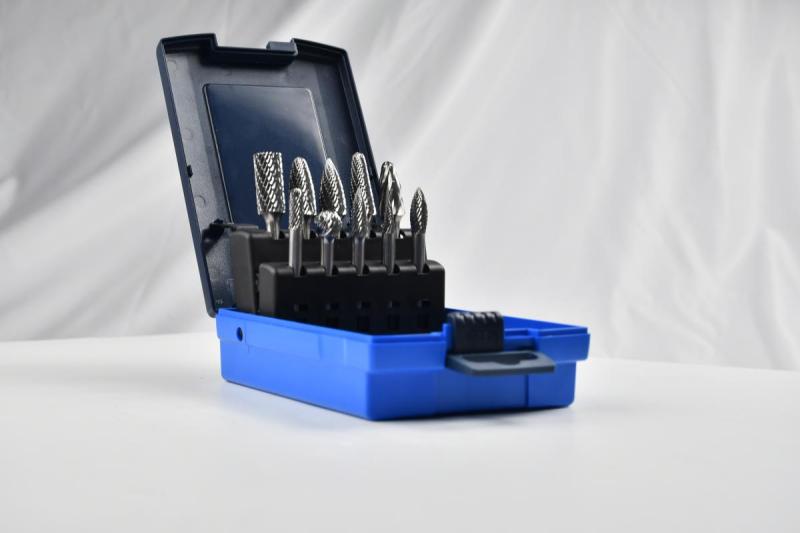
Tungsten carbide, an artificially synthesised material second only to diamond in hardness, has become the ideal material for precision files due to its exceptional hardness, wear resistance, and thermal stability. For years, the high-end tungsten carbide file market was dominated by a handful of foreign brands, characterised by exorbitant prices and unstable supply cycles. The core breakthrough in domestic production lies in mastering the uniform distribution of microcrystalline tungsten carbide particles and special alloy sintering techniques. This achieves a product hardness exceeding HRA 92.5, with a service life 8-10 times longer than traditional high-speed steel files.
The product has undergone comprehensive testing by the National Precision Tools Quality Supervision and Inspection Centre. Data indicates that during comparative trials involving continuous machining of high-strength alloy steel, the wear rate of the domestically produced tungsten carbide file was merely 65% that of mainstream international counterparts. Machining precision remained within ±0.01 millimetres, fully meeting the stringent requirements of high-end manufacturing sectors such as aerospace, medical equipment, and precision moulds.
The production line manager stated that the first phase has achieved an annual production capacity of 500,000 tungsten carbide files of various models, priced 30%-40% lower than imported products. Several domestic automotive manufacturers and precision instrument producers have completed product validation and commenced bulk procurement.
Industry experts note that this technological breakthrough not only reduces tooling costs for China's high-end manufacturing sector but, more significantly, ensures autonomy and control over the precision machining tool supply chain. With preparations underway for the second phase, production capacity is projected to rise to 1.2 million units next year. Plans also include developing a series of micro-precision files to further address specialised machining needs in emerging fields such as electronic components and minimally invasive medical devices.
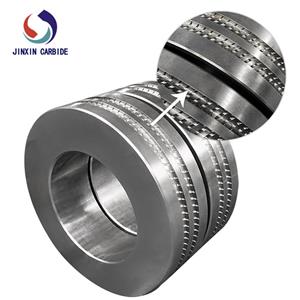 Carbide Roller Cemented Carbide Roll Rings/carbide Roller/tungsten
Tungsten carbide roller ring is a kind o
 Customizable Tungsten Jig Fishing Jig Lure
97% Tungsten high densityFast production
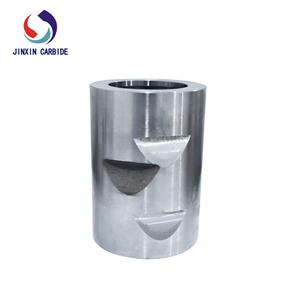 tungsten carbide forming die
Cemented Carbide Cold Heading Dies: Prec
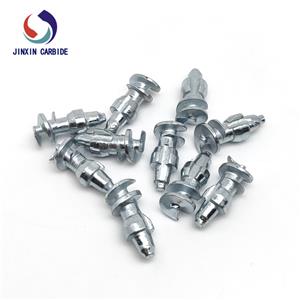 JX174 Removable Srew-in tire Studs Wheel Snow Carbide Spikes
Jinxin Studs are widely used in Northern
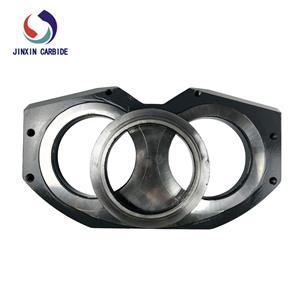 Wear plate and ring for concrete pump
1. Item: concrete pump wear plate and cu
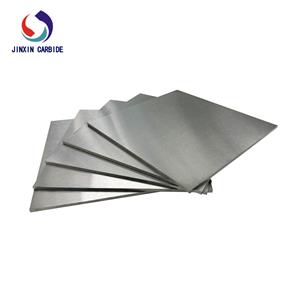 Tungsten alloy plate, tungsten plate, tungsten sheet
Application: * Astronavigation , Missile
| WeChat/Phone : | +86 15573301853 |
|---|---|
| Fax : | +86-731-22332243 |
| Email : | jinxin012@ojinxin.com |