How to Extend the Life of Carbide Wear Parts
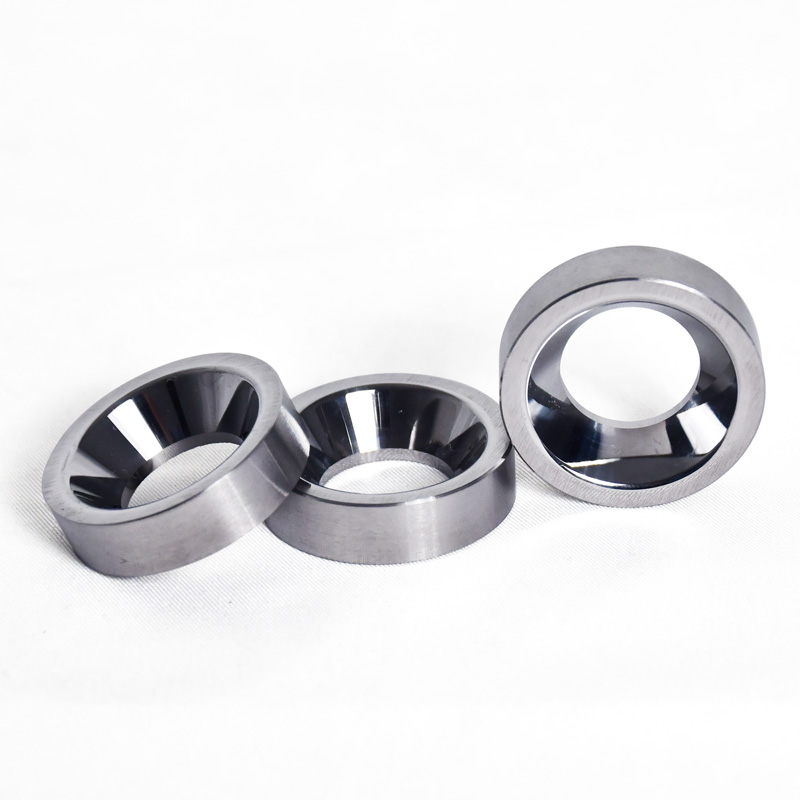
Carbide wear parts are widely used in mining, construction, agriculture, oil and gas, recycling, and many other demanding industries. Thanks to their exceptional hardness and wear resistance, tungsten carbide components can significantly outperform traditional steel parts in abrasive working conditions.
However, even high-quality carbide wear parts can fail prematurely if they are not properly selected, installed, or maintained.
Understanding how to maximize wear life is essential for reducing downtime, lowering replacement costs, and improving overall operational efficiency.
In this article, we will discuss practical methods to extend the service life of carbide wear parts.
1. Choose the Correct Carbide Grade
Selecting the right carbide grade is one of the most important factors affecting wear life.
Different applications require different combinations of:
Hardness
Toughness
Wear resistance
Impact resistance
For example:
High hardness grades are suitable for severe abrasive wear
Tougher grades perform better under heavy impact conditions
Fine grain carbide often provides improved wear resistance
Higher cobalt content generally improves toughness
Using the wrong grade may lead to:
Premature cracking
Chipping
Excessive wear
Unexpected failure
Always match the carbide grade to the actual working condition.
2. Understand the Type of Wear
Not all wear conditions are the same.
Common types of wear include:
Abrasive wear
Impact wear
Erosion
Corrosion
High-temperature wear
For example:
Sand and rock handling mainly cause abrasive wear
Mining crushers often involve both abrasion and impact
Slurry applications may combine erosion and corrosion
Identifying the dominant wear mechanism helps determine the best carbide solution.
3. Improve Installation Accuracy
Improper installation can significantly shorten the life of carbide wear parts.
Common installation problems include:
Misalignment
Uneven load distribution
Poor welding quality
Incorrect brazing temperature
Because tungsten carbide is very hard but relatively brittle, excessive stress concentration may cause cracking.
Proper installation helps:
Distribute force evenly
Reduce vibration
Minimize localized stress
Improve operational stability
Installation quality is often just as important as material quality.
4. Reduce Excessive Impact Loads
Although carbide has excellent wear resistance, repeated heavy impact can damage the material over time.
To reduce impact-related failure:
Optimize equipment operating conditions
Avoid sudden overloads
Maintain stable feeding rates
Reduce unnecessary vibration
In high-impact applications, choosing a tougher carbide grade may provide better overall performance than simply choosing the hardest grade.
Balancing hardness and toughness is critical.
5. Maintain Proper Operating Temperature
Excessive heat can negatively affect carbide wear performance.
High temperatures may cause:
Thermal cracking
Oxidation
Reduced bonding strength
Accelerated wear
Temperature control methods may include:
Proper cooling systems
Lubrication
Reduced friction
Controlled operating speed
Maintaining stable working temperatures can greatly improve component life.
6. Perform Regular Inspection and Maintenance
Routine inspection helps detect problems before catastrophic failure occurs.
Operators should regularly check for:
Cracks
Edge chipping
Uneven wear
Loose installation
Surface damage
Early maintenance can prevent:
Equipment downtime
Secondary damage
Expensive repairs
Preventive maintenance is usually far less costly than emergency replacement.
7. Optimize Equipment Design
Sometimes the root cause of wear is not the carbide itself, but the equipment design.
Poor design may create:
Excessive stress concentration
Uneven material flow
High localized abrasion
Increased vibration
Optimizing wear part geometry and system design can significantly improve service life.
Examples include:
Improved edge angles
Better material flow paths
Reduced dead zones
Enhanced support structures
8. Use High-Quality Raw Materials
The quality of tungsten carbide raw materials directly affects wear performance.
High-quality carbide wear parts typically provide:
Better grain consistency
Higher density
Stronger bonding
More stable mechanical properties
Low-quality materials may contain:
Excessive porosity
Inconsistent grain size
Weak bonding phases
Choosing a reliable manufacturer is essential for long-term performance.
9. Select the Right Surface Finish
Surface finish can influence friction and wear behavior.
In some applications:
Smoother surfaces reduce friction
Polished surfaces reduce material buildup
Proper edge preparation improves durability
Surface optimization may help improve overall wear resistance and operational efficiency.
10. Analyze Failure Patterns
When wear parts fail prematurely, failure analysis is extremely valuable.
Studying wear patterns helps identify:
Incorrect material selection
Improper operating conditions
Installation issues
Unexpected impact loads
Continuous improvement based on real working conditions helps extend future wear life.
 Carbide Roller Cemented Carbide Roll Rings/carbide Roller/tungsten
Tungsten carbide roller ring is a kind o
 Customizable Tungsten Jig Fishing Jig Lure
97% Tungsten high densityFast production
 tungsten carbide forming die
Cemented Carbide Cold Heading Dies: Prec
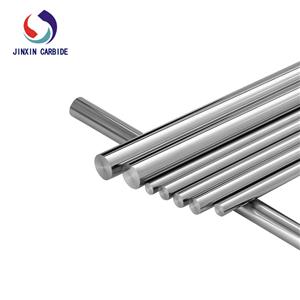 Carbide cutting tools grinding carbide/round carbide rods, Cermet metal rods
1. 100% virgin raw material2. High wear
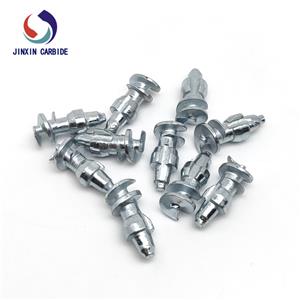 JX174 Removable Srew-in tire Studs Wheel Snow Carbide Spikes
Jinxin Studs are widely used in Northern
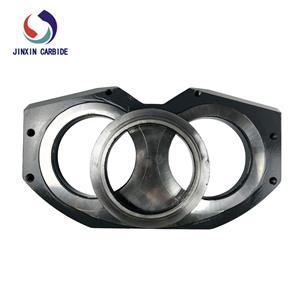 Wear plate and ring for concrete pump
1. Item: concrete pump wear plate and cu
| WeChat/Phone : | +86 15573301853 |
|---|---|
| Fax : | +86-731-22332243 |
| Email : | jinxin012@ojinxin.com |