
Why More Heavy Equipment Manufacturers Are Switching to Tungsten Carbide Components
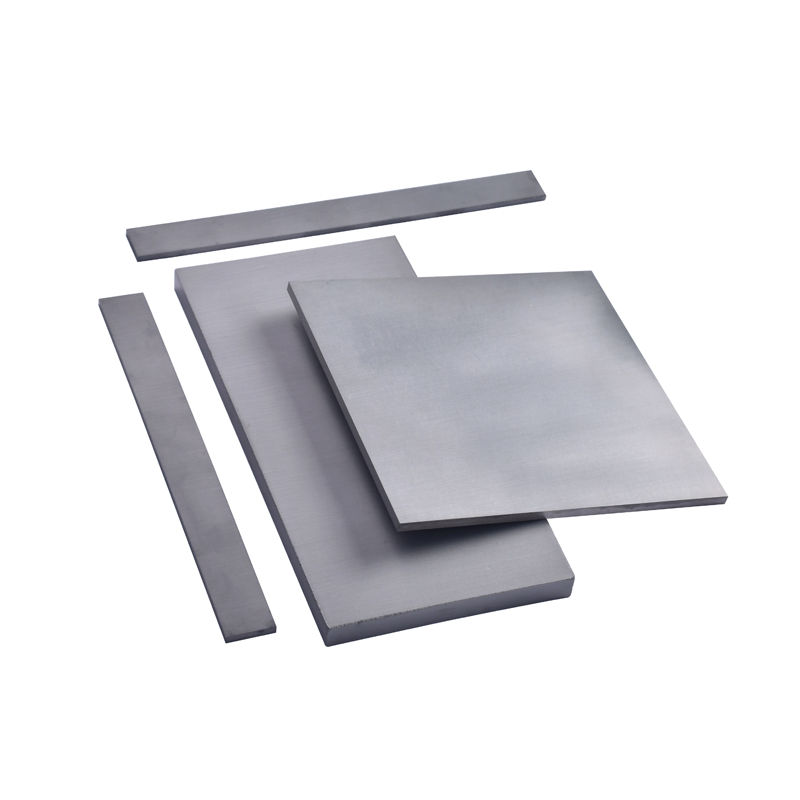
In industries where equipment operates under extreme abrasion, impact, and pressure, component durability directly affects productivity and operating costs. Heavy equipment manufacturers are constantly searching for materials that can improve wear resistance, reduce downtime, and extend service intervals.
As a result, more companies are turning to tungsten carbide components as a long-term solution for demanding industrial applications.
From mining and construction to agriculture and road maintenance, tungsten carbide is becoming an increasingly important material in modern heavy equipment manufacturing.
The Growing Challenge of Wear and Downtime
Heavy equipment often works in highly abrasive environments involving:
Sand
Rock
Soil
Gravel
Concrete
Metal debris
Traditional steel components may wear rapidly under these conditions, leading to:
Frequent replacements
Increased maintenance costs
Production interruptions
Reduced operational efficiency
For manufacturers and equipment owners alike, reducing wear-related downtime has become a major priority.
This is one of the key reasons why tungsten carbide components are seeing wider adoption across multiple industries.
What Makes Tungsten Carbide Different?
Tungsten carbide is a composite material produced by combining tungsten carbide particles with a metallic binder, typically cobalt.
The material is known for its:
Exceptional hardness
Outstanding wear resistance
High compressive strength
Long service life
Compared with conventional steel materials, tungsten carbide can maintain performance much longer in abrasive working conditions.
This allows equipment manufacturers to improve durability without significantly increasing component size or weight.
Longer Service Life Means Lower Operating Costs
Although tungsten carbide components usually have a higher initial cost than standard steel parts, many manufacturers recognize the long-term economic advantages.
Extended wear life can help reduce:
Replacement frequency
Labor costs
Equipment downtime
Inventory requirements
Maintenance interruptions
For large industrial operations, even small improvements in component lifespan can generate significant cost savings over time.
This is especially important in industries where downtime directly affects production output.
Applications Across Multiple Industries
Tungsten carbide components are now widely used in many heavy equipment sectors.
Mining and Aggregate
Mining equipment operates in some of the harshest wear environments. Carbide components are commonly used in:
Crusher wear parts
HPGR studs
Drilling tools
Conveyor protection systems
Construction and Road Maintenance
Construction machinery often encounters abrasive materials such as asphalt, concrete, and gravel. Carbide solutions help improve durability in:
Road milling tools
Snow plow blades
Excavating equipment
Ground engaging tools
Agriculture
Modern agricultural equipment increasingly uses carbide wear protection for:
Tillage tools
Soil engaging components
Harvesting equipment
Seed drilling systems
Oil and Gas
In drilling and energy applications, carbide components provide reliable wear resistance under high-pressure conditions.
Improved Productivity in Harsh Conditions
One of the biggest advantages of tungsten carbide is its ability to maintain performance under continuous wear.
In demanding environments, carbide components help:
Maintain cutting efficiency
Reduce unplanned maintenance
Improve equipment reliability
Increase operational uptime
This contributes directly to higher productivity and more stable equipment performance.
For many manufacturers, durability is no longer just a maintenance issue — it has become a competitive advantage.
Customization Is Becoming More Important
As industrial applications become more specialized, many manufacturers require custom carbide solutions designed for specific operating conditions.
Modern carbide manufacturing allows for:
Custom geometries
Precision grinding
Specialized carbide grades
Brazed or solid carbide structures
Application-specific wear designs
This flexibility helps equipment manufacturers optimize performance for different industries and working environments.
Quality and Precision Matter
The performance of tungsten carbide components depends heavily on manufacturing quality.
Factors such as:
Carbide grade selection
Grain size control
Sintering quality
Density consistency
Precision machining
all influence the final durability and reliability of the product.
For this reason, manufacturers increasingly seek carbide suppliers with strong technical capabilities and strict quality control systems.
The Future of Wear Protection
As industries continue pushing for:
Higher efficiency
Lower maintenance costs
Longer equipment lifespan
Reduced downtime
the demand for advanced wear-resistant materials is expected to grow further.
Tungsten carbide has already proven itself as one of the most reliable solutions for severe wear applications, and its role in heavy equipment manufacturing will likely continue expanding in the coming years.
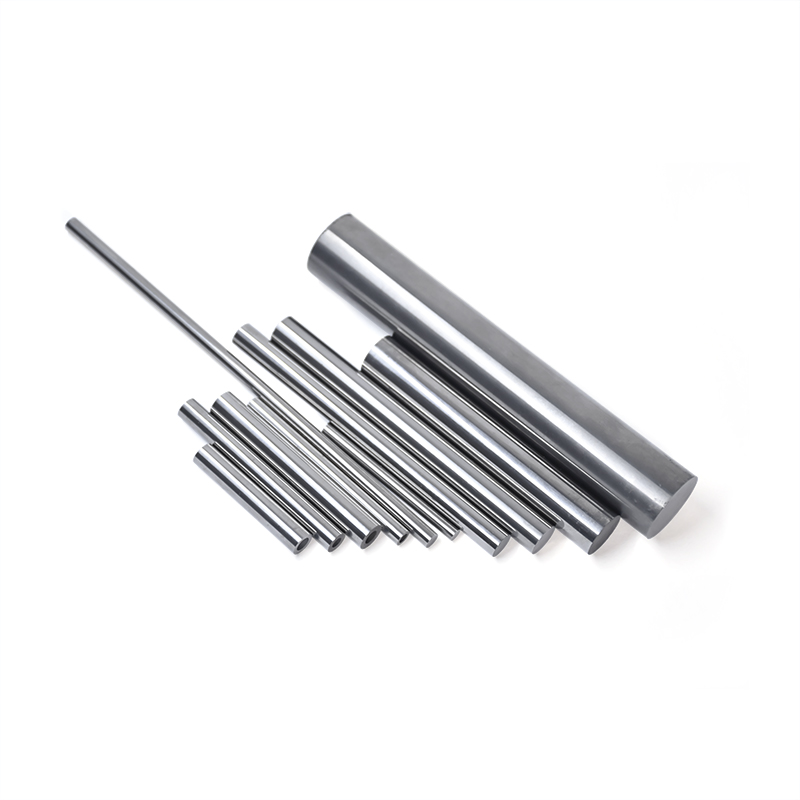
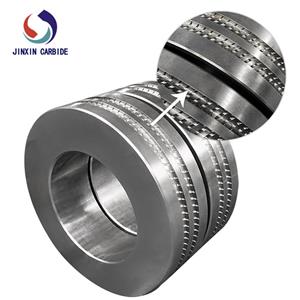 Carbide Roller Cemented Carbide Roll Rings/carbide Roller/tungsten
Tungsten carbide roller ring is a kind o
 Customizable Tungsten Jig Fishing Jig Lure
97% Tungsten high densityFast production
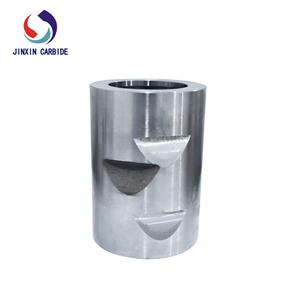 tungsten carbide forming die
Cemented Carbide Cold Heading Dies: Prec
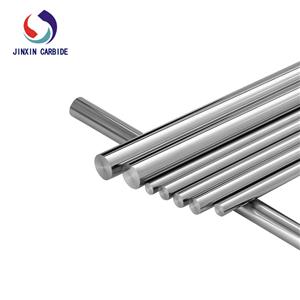 Carbide cutting tools grinding carbide/round carbide rods, Cermet metal rods
1. 100% virgin raw material2. High wear
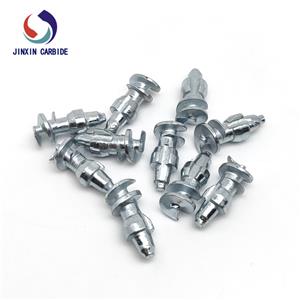 JX174 Removable Srew-in tire Studs Wheel Snow Carbide Spikes
Jinxin Studs are widely used in Northern
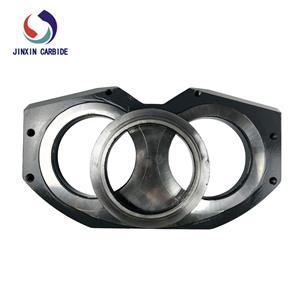 Wear plate and ring for concrete pump
1. Item: concrete pump wear plate and cu
| WeChat/Phone : | +86 15573301853 |
|---|---|
| Fax : | +86-731-22332243 |
| Email : | jinxin012@ojinxin.com |